

Grannies International Football Tournament: Empowering Older Women Through Soccer
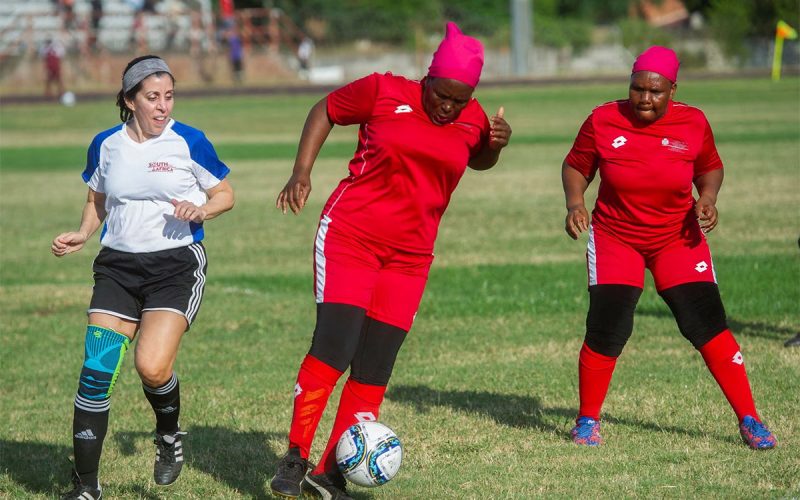
The Grannies International Football Tournament (GIFT) brings together women over the age of 50 from across the globe to compete in organized soccer matches. Held in the South African farming town of Tzaneen, the tournament serves as a platform for physical activity and community building. Participants must meet a strict minimum age requirement of 50, with many players traveling from countries including the United States, France, Togo, Kenya, and Mozambique to participate.
The tournament, which featured teams from seven countries in its second edition, originated from a local soccer league founded in 2007 by Tzaneen philanthropist Beka Ntsanwisi. Originally designed to encourage health and fitness among older women, the movement expanded significantly following a 2010 exhibition in the United States. Today, the event serves as a space for women who may have previously sidelined their own athletic ambitions to prioritize family responsibilities.
The tournament’s hometown team, the Vakhegula Vakhegula—Zulu for “Grandmothers, Grandmothers”—began playing in secret. In 2007, players like 84-year-old Rossina Mathye wore wrap skirts over their soccer shorts to hide their trousers from men in their community who viewed the clothing as inappropriate for women.
How the Tournament Impacts Health and Community
For many participants, the soccer field offers significant physical and mental health benefits. Nomsa Mashego, a 58-year-old player for the Mbombela team, credits the sport with her recovery after being partially paralyzed by a stroke in 2006. She noted that her mobility improved significantly through consistent play, stating, “It’s better to play ball than go to ground.”
The tournament also provides a vital social outlet. Players often use the game to cope with personal hardships, including grief and financial stress. According to Rossina Mathye, the sport demands total focus, allowing players to briefly set aside personal troubles. The camaraderie extends beyond the field, as players who do not share a common language frequently bond through music and dance.
The significance of this tournament lies in the intersection of physical health and cultural shift. By providing a structured, competitive environment for women who were historically excluded from sports, the event acts as a powerful mechanism for reclaiming agency. The high participation rates among South African grandmothers—who often serve as primary caregivers for their grandchildren—highlight how this league supports the stability of the family unit while simultaneously addressing the long-term health needs of an aging population.
What Happens Next for the International League
Tournament founder Beka Ntsanwisi has expressed a long-term ambition to host a “World Cup” for grandmothers. While the 2025 event saw an increase in international participation, organizers face logistical hurdles, as evidenced by the 2025 experience of Team Zambia. After their bus broke down in Zimbabwe, the team had to hitchhike to the border to reach the tournament, highlighting the travel challenges for teams from rural regions.
Future iterations of the tournament are likely to expand as interest grows among international squads. The success of the New England Breakers and the French team, Les Reines du Foot, suggests a continued global interest in the model. As the league gains visibility, organizers may seek to formalize travel support or expand the number of host sites to accommodate more teams from across Africa and beyond.
Frequently Asked Questions
Is there an age limit to participate in the tournament?
Yes, the tournament has a strict minimum age requirement of 50. While having grandchildren is optional, the age threshold is non-negotiable.
Where is the tournament held?
The tournament takes place in the township of Nkowankowa, located in the South African farming town of Tzaneen.
What is the history behind the tournament’s name?
The name “Vakhegula Vakhegula” means “Grandmothers, Grandmothers.” It was adopted by the Tzaneen-based team in a nod to South Africa’s national teams, Bafana Bafana (Boys Boys) and Banyana Banyana (Girls Girls).
Could the success of the Grannies International Football Tournament inspire similar athletic programs for older adults in your own community?