

NeuroExplorer PET Scanner: Revolutionizing Brain Imaging Precision
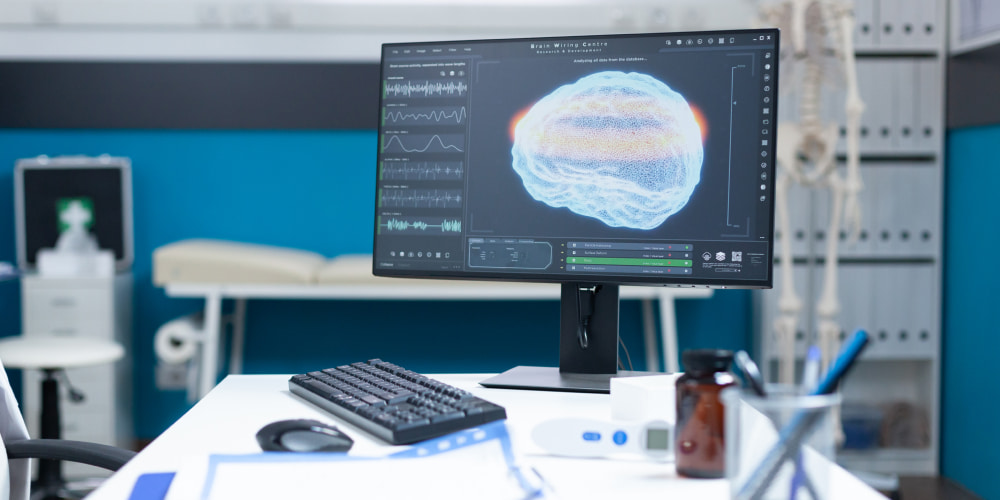
UZ Leuven began routine operations with the NeuroExplorer-PET-Scanner from United Imaging Healthcare in June 2026. According to specialists, the device provides detail up to 20 times higher than conventional PET procedures, allowing clinicians to measure biological processes in small brain structures like the brainstem for the first time.
How does the NeuroExplorer improve brain imaging?
The scanner achieves resolution near the millimeter range. Professor Koen Van Laere of KU Leuven compares this advancement to a nearsighted person receiving their first pair of glasses.

Before entering routine clinical use, the system underwent testing at more than 30 research centers. During a six-month phase, teams scanned over 400 patients to verify the technology.
What are the implications for neurodegenerative diseases?
Higher resolution imaging may allow for the earlier detection of ALS, Parkinson’s, and Alzheimer’s. By using specific biomarkers, clinicians could potentially diagnose these conditions years before the first symptoms appear.
The technology also assists in surgical procedures. Thomas Decramer states that the scanner improves precision when removing microtumors or placing electrodes for deep brain stimulation.
Beyond neurology, researchers are using the system to study sleep, motivation, and mood. This focus may extend to psychiatric conditions, including schizophrenia.
What other imaging and research projects are launching?
In Almere, Netherlands, the Flevoziekenhuis has become the first clinic to use the Rembra-CT-Scanner from Philips, which utilizes artificial intelligence to optimize images.
Simultaneously, Universitätsmedizin Magdeburg has established the Transatlantic Network of Excellence. This group will research cerebral amyloid angiopathy (CAA), a disease affecting brain blood vessels.
The Leducq Foundation is providing approximately 9 million US dollars (about 8 million euros) for the five-year project. Partners include Boston University and the Harvard Medical School, with an official start planned for early 2027.
Frequently Asked Questions
What makes the NeuroExplorer-PET-Scanner different from previous versions?
According to specialists, it provides detail up to 20 times higher than conventional PET procedures, enabling the measurement of biological processes in tiny structures like the brainstem.
Which diseases could be detected earlier with this technology?
The increased resolution and use of biomarkers may allow for the early detection of Alzheimer’s, Parkinson’s, and ALS, potentially years before symptoms emerge.
Who is involved in the Transatlantic Network of Excellence?
The network was founded by Universitätsmedizin Magdeburg and includes partners from the Harvard Medical School and Boston University, with funding from the Leducq Foundation.
How might high-resolution brain imaging change the way we approach mental health and psychiatric care?