
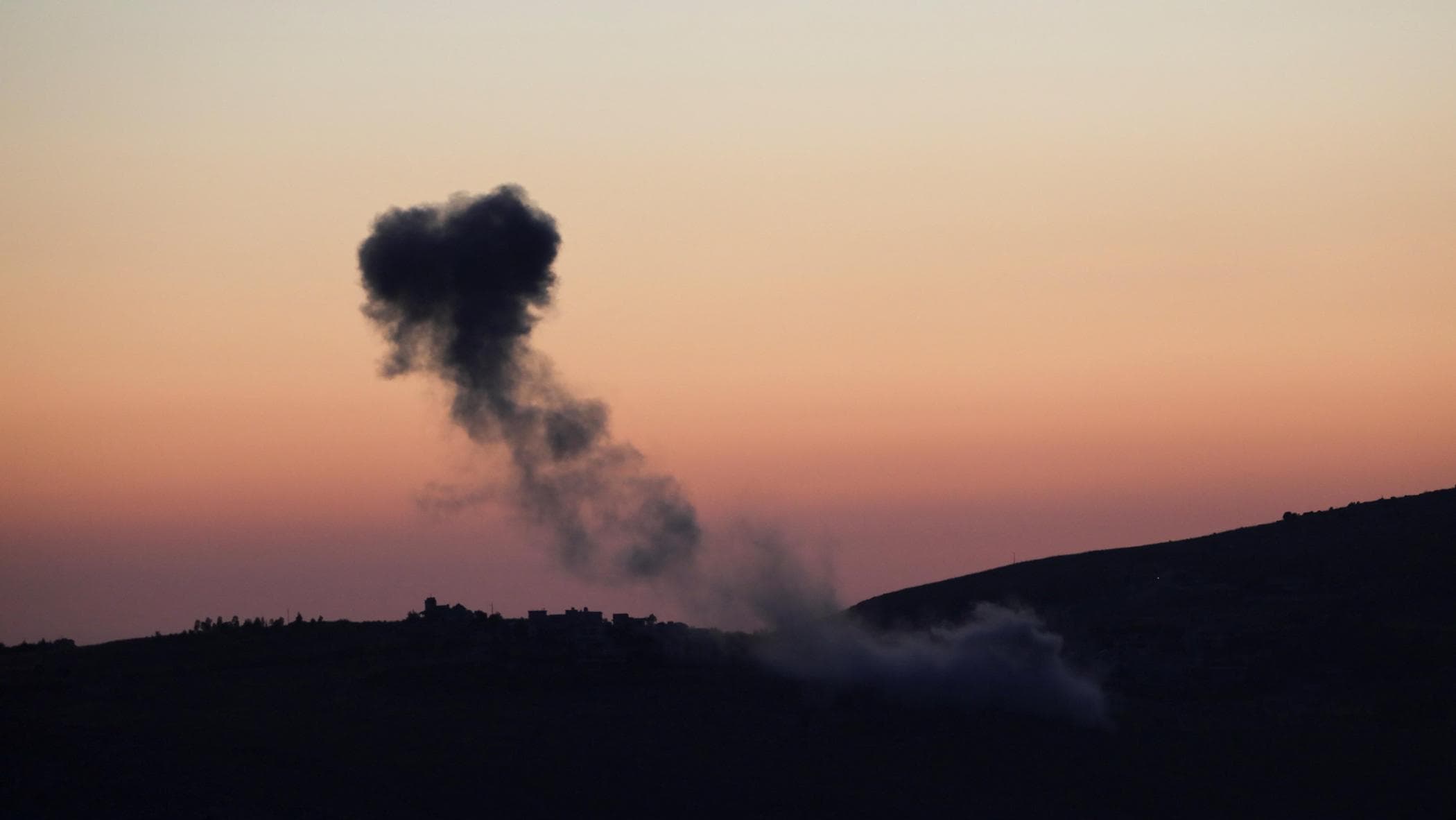
Guerra in Medio Oriente: Iran attacca Israele, Stati Uniti rispondono con missile
The Iran-Israel conflict escalated sharply on June 8, 2026, as Iranian missile strikes targeted Israeli airspace, prompting Israeli military readiness and high-level diplomatic interventions. The attack, described by Iranian officials as a “warning,” marked the 100th day of hostilities between the two nations, with both sides exchanging threats of broader retaliation. U.S. President Donald Trump, engaged in urgent calls with Israeli Prime Minister Benjamin Netanyahu, emphasized his efforts to prevent further escalation, while Iranian Supreme Leader Mojtaba Khamenei declared the “sionist regime” was “at its last breath.”
What Happened?
Iran launched a multi-wave missile attack on Israel, targeting a northern airbase and triggering Israeli air defenses. The Israeli military reported intercepting all missiles, but sirens blared across the country for the first time since a April ceasefire. Iranian state media claimed the strikes were in response to Israeli raids in Lebanon, which had killed at least two people and injured 11 in Beirut. The Islamic Revolutionary Guard Corps (IRGC) announced plans for “Operation True Promise 5,” signaling a potential escalation. Meanwhile, the Pakistan minister of interior delivered a message from Islamabad’s military chief to Khamenei, highlighting Pakistan’s role as a mediator in stalled U.S.-Iran negotiations.
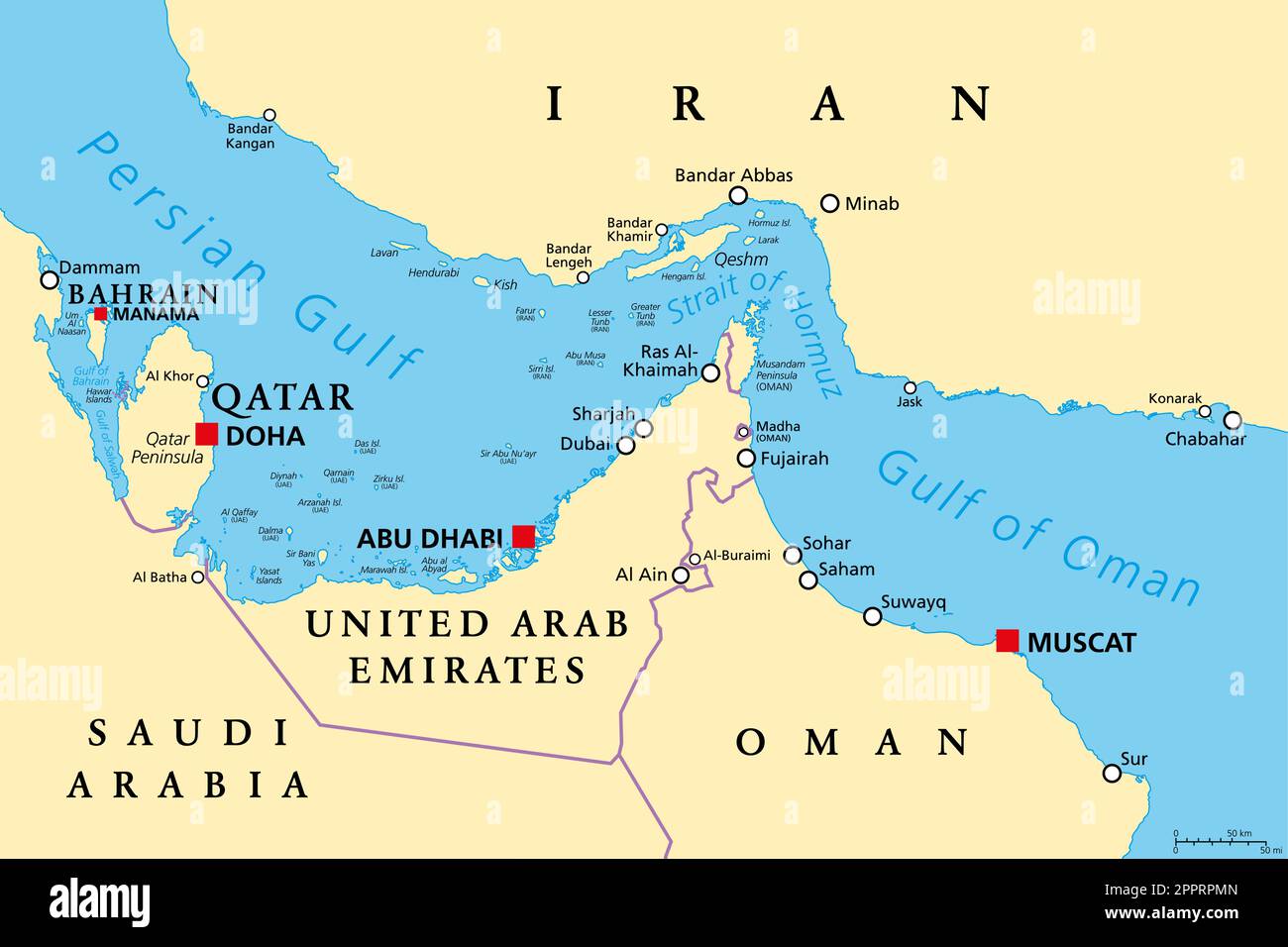
Israeli Prime Minister Netanyahu authorized intensified operations against Hezbollah in southern Lebanon, with the IDF stating it would “not allow further attacks” on Israeli citizens. U.S. forces shot down two Iranian drones near the Strait of Hormuz, while Trump warned that any Israeli retaliation could “continue again and again.” The U.S. military confirmed its forces were on high alert, with CENTCOM stating it remained “postured and ready to defend against Iranian aggression.”
Why It Matters
The conflict’s escalation threatens to destabilize the Middle East, with regional powers like Lebanon and the Gulf states increasingly drawn into the crossfire. Iran’s targeting of Israeli infrastructure, including a northern airbase, underscores the shifting dynamics of the war, which has already disrupted global trade routes and strained U.S. diplomatic efforts. The 100-day mark also highlights the failure of recent ceasefire talks, as both sides continue to accuse each other of violating agreements.

Trump’s repeated assertions that the U.S. is “very close” to a deal with Iran contrast sharply with the current violence. His calls for Netanyahu to avoid striking Iran reflect the administration’s anxiety over the war’s impact on U.S. interests, including the safety of American troops in the region. Meanwhile, Iran’s threats to target U.S. assets in the region could trigger a broader U.S.-Iran confrontation, complicating efforts to broker a lasting resolution.
What May Happen Next
Analysts suggest the conflict could enter a more volatile phase, with both sides likely to pursue retaliatory strikes. Israel may expand its operations in Lebanon, while Iran could target U.S. military facilities in the region, as warned by the IRGC. The outcome of Trump’s negotiations with Netanyahu will be critical: a U.S.-brokered deal could temporarily ease tensions, but lingering distrust between Iran and Israel may prevent a permanent ceasefire. Regional alliances, particularly Iran’s ties to Hezbollah and the Lebanese government, will also shape the conflict’s trajectory.
With the U.S. military on high alert and diplomatic channels strained, the risk of accidental escalation remains high. The involvement of Pakistan as a mediator adds a new layer of complexity, as Islamabad balances its relationships with both Iran and the U.S.

Frequently Asked Questions
What was the scale of Iran’s missile attack on Israel? Iran launched multiple waves of missiles, including a third wave reported by Iranian state media, though Israeli forces claimed all were intercepted.
Why is Pakistan involved in the conflict? Pakistan, acting as a mediator, delivered a message from its military chief to Iran’s Supreme Leader Mojtaba Khamenei, reflecting its role in U.S.-Iran negotiations.
What is the current status of the U.S.-Iran ceasefire? The ceasefire, established in April 2026, has been repeatedly violated, with both sides accusing each other of aggression. Recent attacks have further eroded trust in the agreement.
How might the international community respond to the escalating tensions? With global trade routes at risk and regional alliances under pressure, major powers like the U.S., China, and the EU may seek to reassert diplomatic control, but the deepening animosity between Iran and Israel complicates such efforts.