
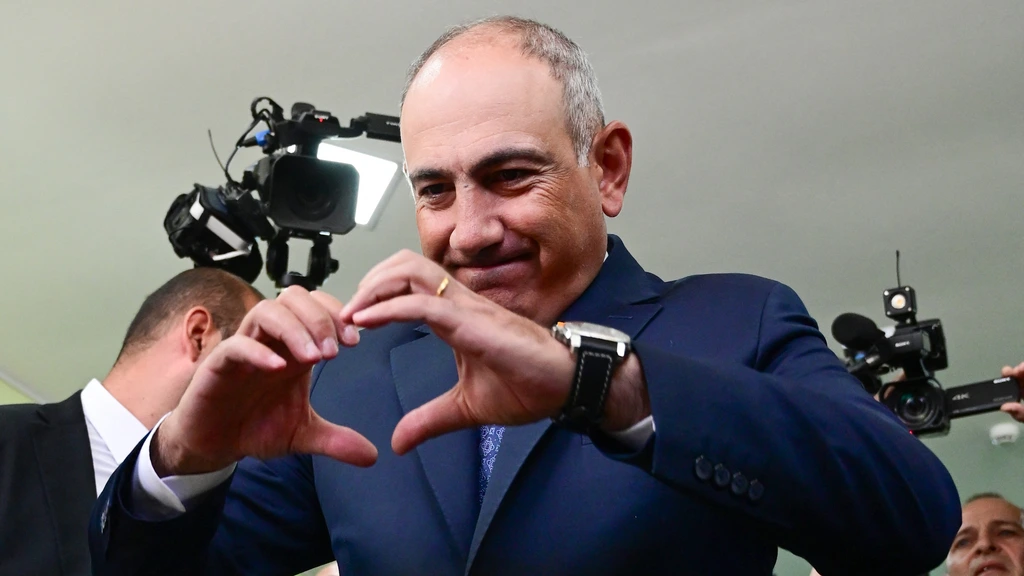
Nikol Pasjinian Wins Armenian Parliamentary Elections Amidst Geopolitical Tensions
Armenian Prime Minister Nikol Pashinyan has secured a victory in the national parliamentary elections, with his party capturing nearly 50 percent of the vote. The result, confirmed by the electoral commission, sees Pashinyan’s administration maintain its mandate despite significant pressure from opposition forces and external interference. His primary challenger, the “Strong Armenia” party led by Russian-Armenian billionaire Samvel Karapetyan, trailed with just over 23 percent of the vote.
A Shift in Strategic Direction
The election represents a defining moment for Armenia’s future trajectory. Prime Minister Pashinyan has signaled an intent to strengthen ties with the European Union and pursue a formal peace agreement with neighboring Azerbaijan. This platform stands in direct contrast to the opposition, which campaigned on the necessity of deepening Armenia’s traditional alliance with Russia.
Despite this pivot, Pashinyan has maintained that he does not intend to sever relations with Moscow entirely. He describes his current approach as a policy of “balanced politics.” This delicate maneuvering comes after a period of cooling relations, specifically following the 2023 loss of the Nagorno-Karabakh enclave. During that conflict, the Russian-led Collective Security Treaty Organization—of which Armenia is a member—did not intervene, a failure that caused significant frustration for the Armenian leadership.
Did You Know?
The Kremlin attempted to influence the election outcome by imposing a boycott on Armenian exports, including fruits, vegetables, mineral water, and alcohol, in an effort to destabilize public support for the incumbent government.
The Impact of External Pressure
The election took place against a backdrop of active Kremlin interference. Beyond trade boycotts, the geopolitical tension was highlighted by a recent summit of the European Political Community in Yerevan. The event drew 40 European leaders, including NATO official Mark Rutte, French President Emmanuel Macron, and British Prime Minister Keir Starmer, alongside Ukrainian President Volodymyr Zelenskyy.
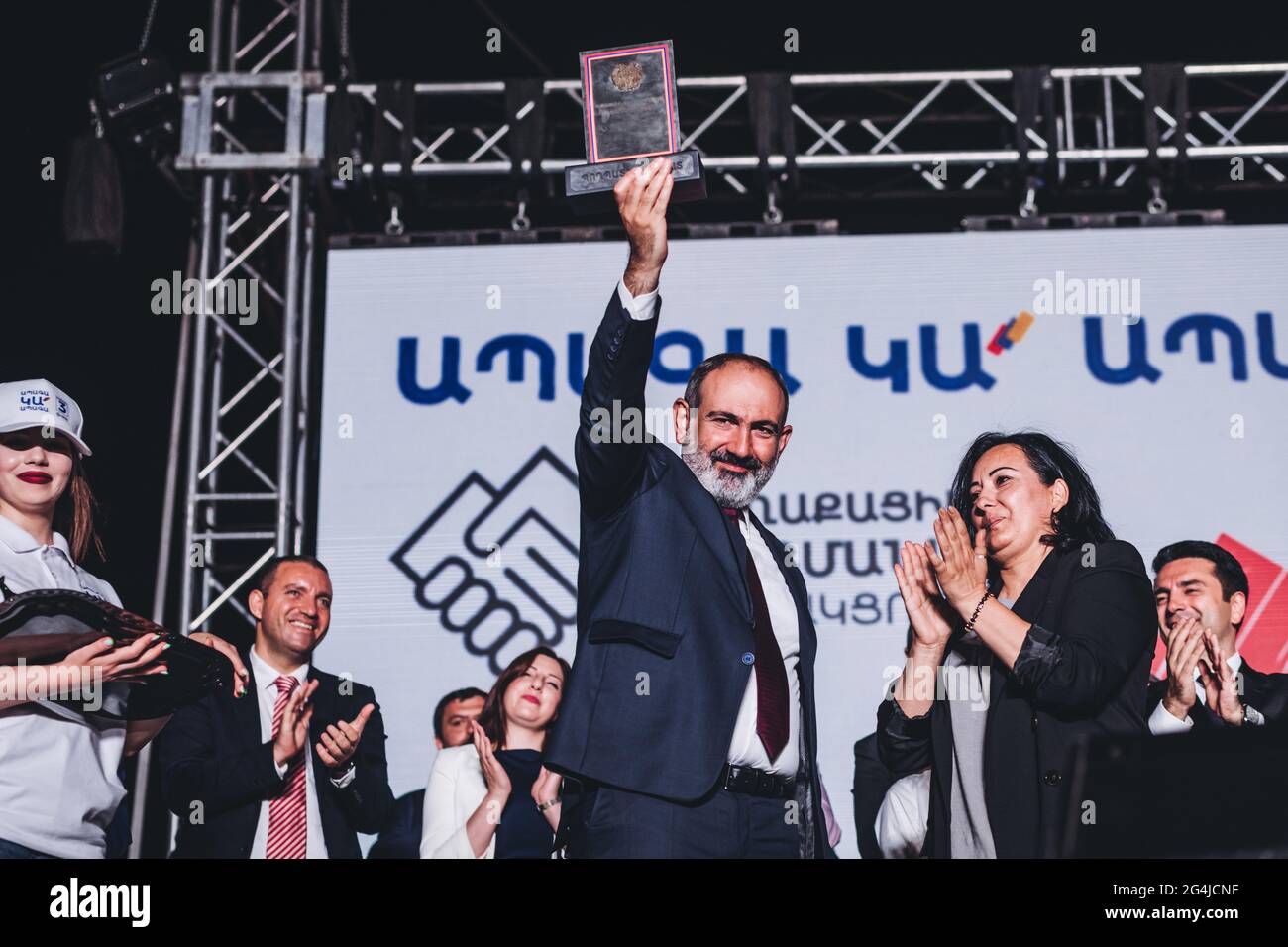
Russia viewed the summit as a significant provocation. In response to the mounting pressure and the perceived abandonment during the Nagorno-Karabakh crisis, Pashinyan has openly threatened to withdraw Armenia from the Russian-led Collective Security Treaty Organization, a move that would fundamentally alter the regional security architecture.
Expert Insight:
Samantha Carter notes that Pashinyan’s victory provides him with the political capital to continue his “balanced” foreign policy, yet he faces a narrow path. The trade-offs are significant: moving closer to the European Union risks further economic and political retaliation from Moscow, while failing to secure a peace agreement with Azerbaijan could leave the country vulnerable to further regional instability.
What Happens Next?
Analysts expect that the Pashinyan administration will move quickly to formalize its European outreach, though the pace of these negotiations may depend on the success of the proposed peace accord with Azerbaijan. Should the peace talks stall, the government may face renewed domestic pressure from the opposition.
Furthermore, a possible next step is a formal review of Armenia’s membership in the Collective Security Treaty Organization. Given the Prime Minister’s previous threats to exit the alliance, the coming months are likely to be characterized by intense diplomatic friction between Yerevan and Moscow as the Armenian government seeks to redefine its security dependencies.
Frequently Asked Questions
What was the final result of the parliamentary elections?
Prime Minister Nikol Pashinyan’s party won nearly 50 percent of the vote, while the opposition party “Strong Armenia,” led by Samvel Karapetyan, received over 23 percent.
Why did the relationship between Armenia and Russia deteriorate?
The relationship cooled after the Russian-led military alliance failed to intervene when Azerbaijan recaptured the Nagorno-Karabakh enclave in 2023, causing deep frustration within the Armenian government.
How did the Kremlin attempt to influence the election?
The Kremlin implemented boycotts on Armenian goods, including alcohol, mineral water, and fresh produce, aiming to generate unrest among the Armenian population.
How do you believe the shift toward European political ties will impact the average citizen in Armenia?