
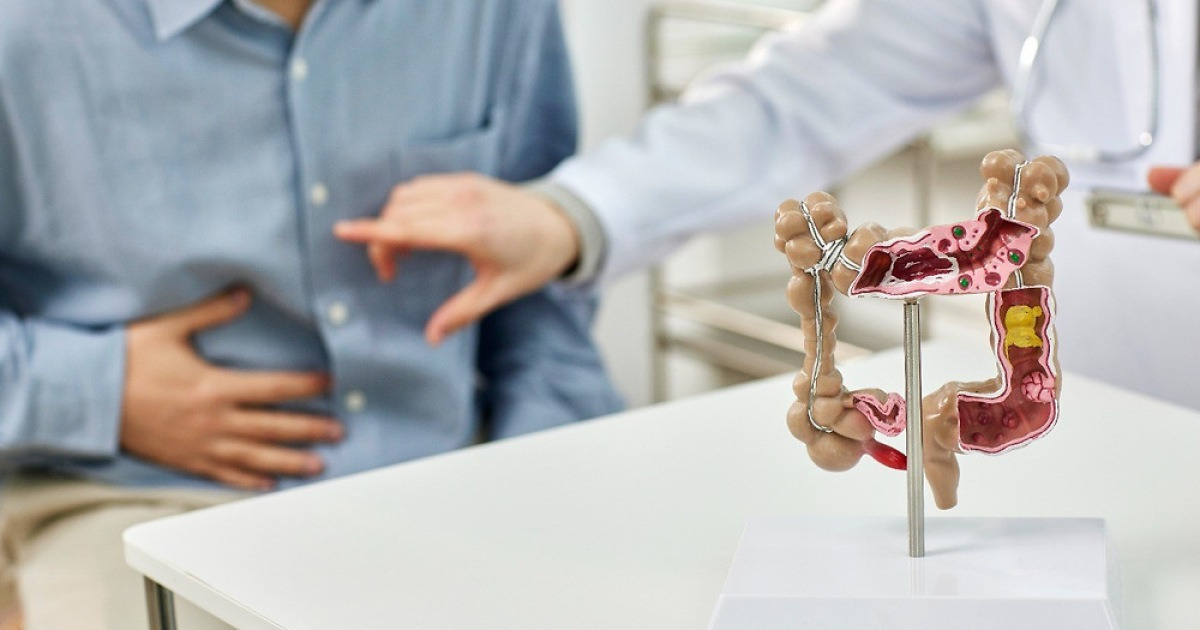
Gut Health Guide: Symptoms, Brain-Gut Axis, and Wellness Tips
The human gut is far more than a digestive organ; it functions as a complex biological hub containing approximately 100 million nerve cells. Beyond digestion, it produces serotonin and more than 20 different types of hormones, playing a critical role in systemic health.
This biological complexity is central to the “Brain-Gut Axis,” a bidirectional communication network where the brain regulates gut function while the gut’s state and microbiome influence cognition, emotion and mental health.
According to Dr. Hyeon Il-sik of Siwon Nuri Internal Medicine Clinic, this connection explains why stress and disrupted sleep patterns often manifest physically as abdominal pain, diarrhea, and heartburn.
Distinguishing Between Gastritis, Enteritis, and IBS
Many individuals mistake general abdominal discomfort for simple indigestion. However, Dr. Hyeon Il-sik notes that the location and pattern of pain can distinguish between different conditions.
Gastritis is typically characterized by a squeezing or burning sensation in the epigastric region, often accompanied by nausea. In contrast, enteritis usually involves stabbing pain across the entire abdomen, frequently paired with fever, vomiting, and watery diarrhea, often following the consumption of spoiled food.
Irritable Bowel Syndrome (IBS) can be harder to detect through standard tests. Its hallmark is abdominal pain and gas that typically diminishes after a bowel movement, often exacerbated by tension or stress.
Critical Warning Signs and Systemic Impact
Monitoring bowel movements provides a direct window into gut health. A healthy gut typically produces regular, banana-shaped, yellowish-brown stools.
Increased flatulence and a worsening odor in gas may indicate that food is fermenting excessively due to an imbalanced microbial environment. However, certain symptoms require immediate medical intervention.
Dr. Hyeon warns that blood in the stool or unexplained, rapid weight loss could be signs of organic diseases, such as colorectal polyps or colorectal cancer, necessitating a visit to a gastroenterologist.
The Link to Total Body Wellness
The gut serves as the body’s primary immune center, housing over 70% of its immune cells. When gut health declines, it may lead to systemic issues including chronic fatigue and skin troubles.
Harmful microbial clusters can increase inflammation, which may potentially lead to weight gain and the development of metabolic diseases.
Holistic Management and Lifestyle Shifts
While many seek quick fixes through supplements, evidence suggests that lifestyle habits are more influential. Findings highlighted by the British publication The Guardian emphasize five core pillars: sufficient sleep, increased fiber intake, reducing ultra-processed foods (UPFs), staying hydrated, and managing stress.
Dr. Hyeon suggests that light aerobic exercise, such as walking in the sunlight, can help activate gut motility. He also emphasizes the importance of a consistent circadian rhythm, as irregular sleep patterns can disrupt the balance of gut microbiota.
Dietary diversity is equally essential. Consuming a wide variety of plant-based foods—including vegetables, fruits, legumes, nuts, and whole grains—is more effective for enriching the microbiome than relying on a single health food or supplement.
eating speed plays a role; consuming food too quickly may lead to incomplete digestion, which could cause excessive fermentation and abdominal bloating.
Future Outlook
If individuals continue to ignore early warning signs like chronic bloating or irregular bowel habits, they may face a higher likelihood of developing systemic inflammation. A shift toward diverse, plant-based diets and regulated sleep schedules is likely to be the most sustainable path toward long-term metabolic stability.

Frequently Asked Questions
How can I tell the difference between gastritis and IBS?
Gastritis typically causes burning or squeezing pain in the epigastric (upper stomach) area with nausea. IBS is characterized by abdominal pain and gas that generally improves after having a bowel movement.
What are the most dangerous signs of gut dysfunction?
The presence of blood in the stool and sudden, unexplained weight loss are critical red flags that may indicate colorectal polyps or cancer.
Is taking a specific supplement better than changing my diet?
No. Dr. Hyeon Il-sik advises that consuming a diverse range of plant-based foods is more important than relying on a single supplement or health food.
Do you prioritize your sleep and stress levels as much as your diet when it comes to your digestive health?