
Gut Microbiome Patterns Predict Parkinson’s Disease Risk
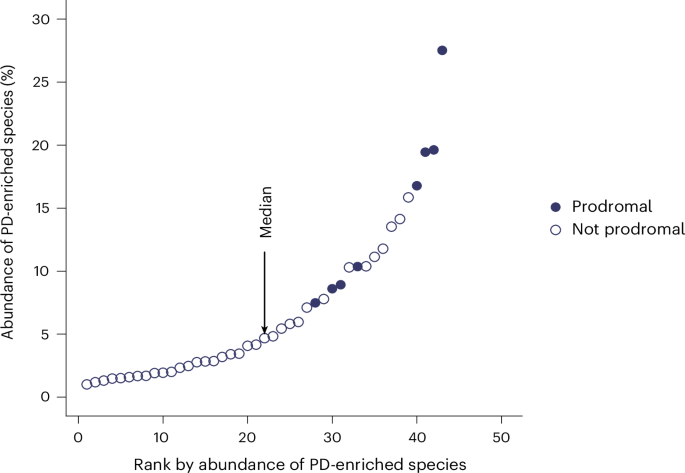
Recent innovative microbiome analysis has uncovered a significant connection between the gut microbiome and the progression of Parkinson’s disease. The findings reveal a coherent shift in microbiome composition that tracks the transition from healthy individuals to those with a genetic risk and finally to symptomatic patients.
Mapping the Progression of Parkinson’s Risk
The analysis identified a specific part of the gut microbiome that changes consistently across three distinct groups. This progression begins with healthy individuals and moves through those who carry a genetic risk before reaching those already experiencing symptoms.
Because there is a wide range of microbiome alterations within each of these three groups, this data provides a new way to identify individuals. Specifically, these alterations may enable the identification of people at a greater risk of developing Parkinson’s disease.
The Role of Nutrition in Disease Risk
The research also highlighted a critical link between lifestyle and biological markers. A healthy diet was found to be inversely associated with the microbiome alterations linked to the disease.
This inverse relationship suggests that nutritional choices could play a role in managing biological risk. Specifically, maintaining a healthy diet might mitigate the risk of developing the disease.
Potential Future Implications
Looking ahead, these findings could lead to more precise methods for screening individuals who are genetically predisposed to Parkinson’s. A possible next step may involve using microbiome analysis to pinpoint exactly when a person moves from a state of risk to a symptomatic state.
because of the link to nutrition, future health strategies may prioritize dietary interventions to potentially lower disease risk. Such approaches are likely to focus on the specific microbiome alterations identified in the Nature Medicine study.
Frequently Asked Questions
How does the gut microbiome change in relation to Parkinson’s disease?
The microbiome changes coherently from healthy individuals, through those with a genetic risk, to patients who are symptomatic.

Can microbiome analysis help identify who is at risk?
Yes, the large range of microbiome alterations within the three studied groups enables the identification of individuals at a greater risk of developing the disease.
Does diet impact these microbiome alterations?
Yes, a healthy diet was inversely associated with these alterations and might mitigate the risk of the disease.
How do you think personalized nutrition could change the way we approach genetic health risks?