
H5N1 Bird Flu Hits Australia, Threatening Wildlife and Industry
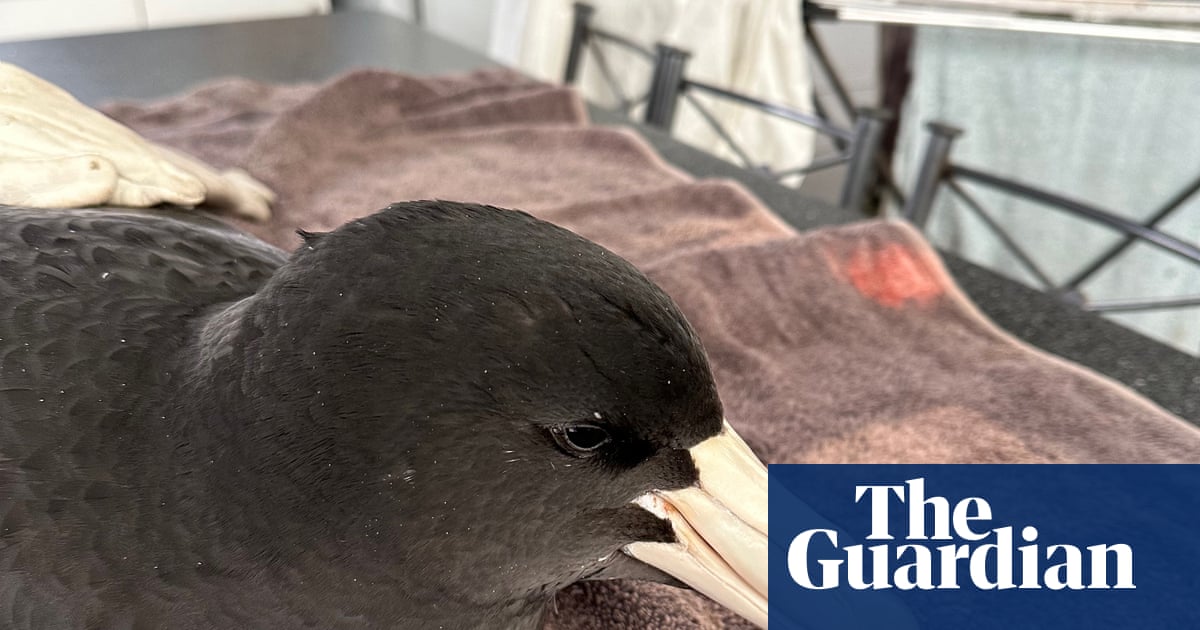
Two giant petrels and brown skuas found sick on Western Australia’s southern coastline tested positive for the H5N1 strain of avian influenza, marking the first confirmed cases in Australia, according to government officials. Both birds died after being discovered on separate beaches in late February. The virus, which has killed millions of birds and mammals globally since 2021, had previously not reached the continent. Authorities are monitoring the situation as experts warn of potential wider outbreaks.
Why is this outbreak significant?
The detection of H5N1 in Australia represents a critical shift in the virus’s geographic spread. Until now, the continent remained untouched by the strain, which has caused mass die-offs in North America, Europe, and Asia. The two birds, which rarely venture ashore, were found in areas where they typically forage at sea. Their illness has triggered heightened biosecurity measures, with officials emphasizing the risk to native wildlife and agricultural sectors.
Dr. Beth Cookson, Australia’s chief veterinary officer, stated there is no evidence the virus has spread beyond the two cases. However, the discovery has prompted agencies to intensify surveillance. The birds’ migration patterns—breeding in Antarctica and spending winters in southern Australian waters—raise questions about how the virus may have entered the region.
What are the next steps for authorities?
Government agencies and wildlife experts are preparing for potential further cases, though no definitive transmission chain has been identified. Dr. Lauren Roman, a seabird researcher at the University of Tasmania, noted that surveillance efforts have been ongoing for over two years, with all prior tests returning negative results. The sudden confirmation of H5N1 has shifted focus to understanding how the virus arrived and whether it could spread to other species.

Wildlife groups are urging the public to report sick or dead birds without direct contact. The Emergency Animal Disease Hotline has received nearly 60 reports of affected birds in Western Australia since the weekend. Experts caution that if the virus gains a foothold, it could disrupt ecosystems and threaten already vulnerable seabird populations.
How might the virus spread further?
The two birds’ scavenging behavior, which includes feeding on marine carcasses, is a potential vector for disease transmission. Researchers suggest that seabirds like skuas and petrels could carry the virus between regions, though no direct link has been confirmed. Dale Wright of BirdLife Australia highlighted the risk of secondary infections if sick birds die onshore and are scavenged by other species, such as gulls.
Simon Gorta, an ecologist at the University of New South Wales, emphasized that seabirds are already under threat from habitat loss and climate change, making them particularly vulnerable to new pathogens. The arrival of H5N1 adds another layer of complexity to conservation efforts, with experts monitoring for broader ecological impacts.
Authorities are also reviewing historical data to assess whether previous outbreaks in nearby regions, such as New Zealand or South America, could have contributed to the virus’s arrival. However, no direct connections have been established.
What are the risks to wildlife?
Australian scientists reported that over 13,000 seal pups died from the virus between October 2022 and January 2023, alongside penguins and petrels. While these deaths occurred in coastal areas, the detection of H5N1 in seabirds raises concerns about its impact on marine mammals and other species. The virus’s ability to infect multiple animal groups complicates containment efforts.
Conservationists warn that the disease could further strain populations already weakened by environmental pressures. The long-term effects on Australia’s wildlife remain uncertain, with experts urging continued monitoring and research.
What is H5N1, and why is it concerning?
H5N1 is a highly pathogenic strain of avian influenza that has caused mass die-offs in birds and mammals globally since 2021. Its detection in Australia marks the first confirmed case on the continent, raising concerns about its potential to spread to native wildlife and agricultural animals.
How might the virus have reached Australia?
The exact transmission pathway is unclear, but researchers suggest it could have arrived via migratory birds or marine vectors. The two infected birds, which forage in southern Australian waters, may have contracted the virus during their winter migration from Antarctica.
What should the public do if they encounter sick birds?
The public is advised to avoid contact with sick or dead birds and to report sightings to the Emergency Animal Disease Hotline. Taking photos or videos can aid authorities in tracking potential outbreaks without risking exposure.
As the situation unfolds, the focus remains on preventing wider transmission while understanding the virus’s impact on Australia’s unique ecosystems. What steps should communities take to support biosecurity efforts in the coming months?