

Harmful Algal Bloom Safety: Risks and Prevention Tips
As temperatures rise, the intersection of warm water and nutrient levels is creating conditions ripe for the development of algal blooms. While the majority of algae species found in nature remain harmless, the emergence of specific harmful varieties—known as cyanobacteria—presents a genuine health risk to those enjoying the outdoors.
Understanding the Risks
Exposure to these harmful blooms can lead to a range of health complications. Cyanobacteria may cause skin rashes and various gastrointestinal illnesses, including nausea, vomiting, diarrhea, and an upset stomach.
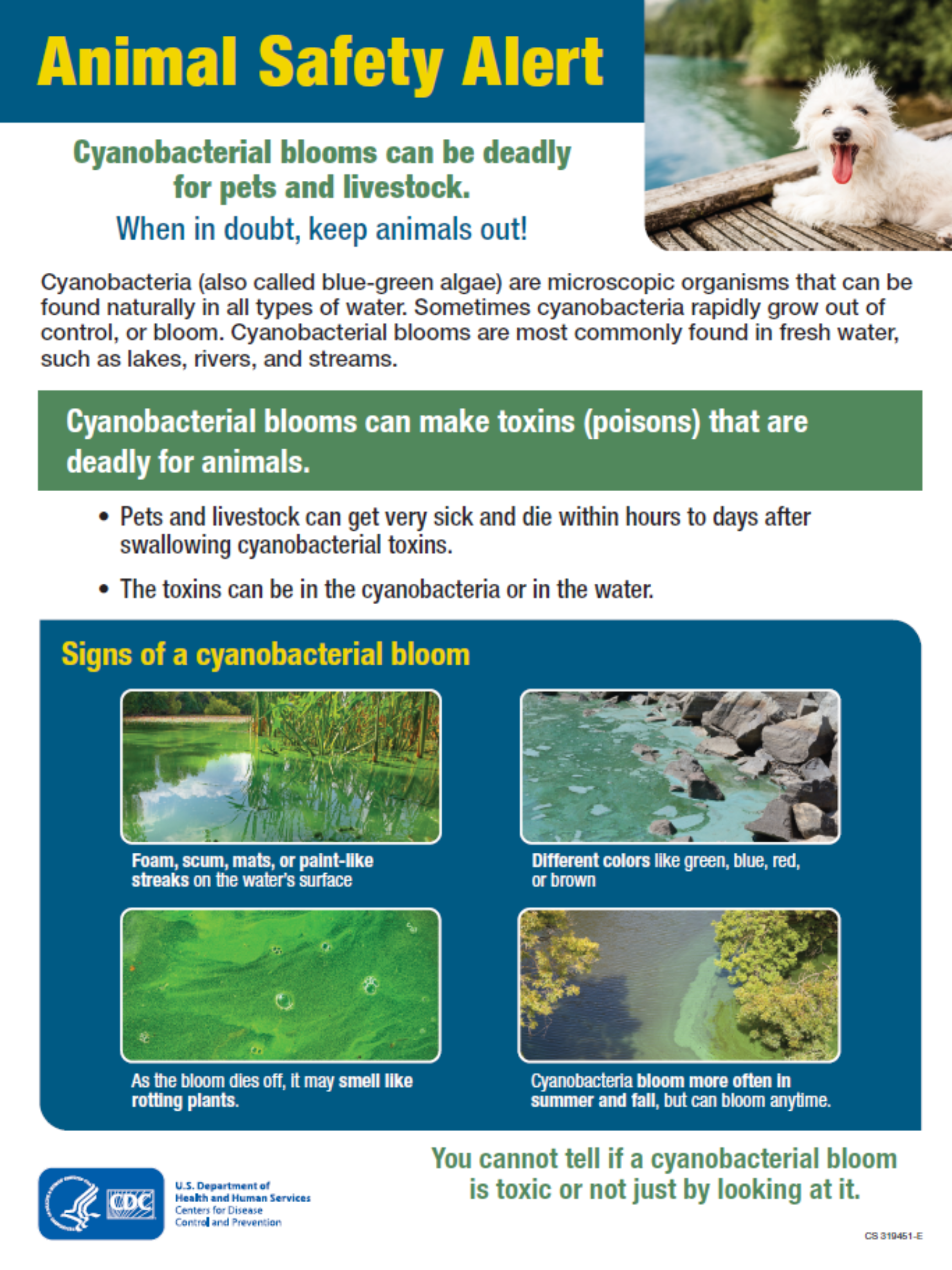
The visual markers of a potentially toxic environment are often distinct. Authorities advise the public to steer clear of any water that appears discolored or displays a green or bluish-green scum, as these are indicators that toxins could be present.
Most algae species are harmless, but specific types known as cyanobacteria are the primary drivers of potential toxicity in natural water bodies.
Safety Protocols and Prevention
When it comes to water safety, the mantra “WHEN IN DOUBT, STAY OUT!” remains the most effective defense. Individuals should strictly avoid any area where the water displays a green hue or where advisory signs have been posted.
Children and pets are particularly vulnerable and should not be allowed to drink from or play in natural bodies of water experiencing a bloom. If contact with algae scum or affected water does occur, exposed skin and pets should be washed immediately with plenty of fresh, clean water.
Samantha Carter notes that the primary stakes involve the management of accidental exposure. The necessity of removing fish skin and internal organs before cooking highlights the importance of thorough preparation when consuming local catches in areas where blooms may exist.
What May Happen Next
If environmental conditions remain favorable for algal growth, it is likely that additional bodies of water could experience blooms. Should these outbreaks persist, public health officials may issue more advisory signs to limit human and animal interaction. Individuals who suspect they have been affected may need to seek medical or veterinary care if symptoms arise, and they are encouraged to utilize resources like www.SwimHealthyVA.com to stay informed or report new sightings.
Frequently Asked Questions
What should I do if I come into contact with an algal bloom?
You should immediately wash your exposed skin with plenty of fresh, clean water. If you or your pets experience symptoms after exposure, seek medical or veterinary care.
Is it safe to eat fish caught in water with an algal bloom?
Fish can be safe to eat if they are properly cleaned by removing the skin and discarding all internal organs, and then cooked to the proper temperature.
Who can I contact if I suspect health effects from a bloom?
You can contact the Harmful Algal Bloom Hotline at 1-888-238-6154 to report health-related effects following exposure.
How do you adjust your outdoor recreation plans when you encounter advisory notices at your local swimming spots?