
Healing Father-Son Wounds Through Yoga
Michael J. Norton utilized yoga to shift his perspective on a strained relationship with his late father. According to Norton, the practice provided the emotional clarity needed to view his father not as an opponent, but as a provider who sacrificed his own interests to support six children.
Norton reports that the practice of yoga, specifically moments spent in Tree Pose, triggered a realization about his father’s life. He describes his father as an angry man who frequently expressed criticism and disappointment toward his children.
While Norton lived in cities including Boston, London, New York, and Santa Monica, his father spent his entire life in Philipsburg, New Jersey. This geographic and lifestyle divide defined much of their interaction, according to Norton.
How does yoga contribute to emotional healing?
Norton identifies a distinction between the physical and emotional rewards of yoga. He credits the practice with providing agility, flexibility, strength, and stamina.

Beyond physical health, Norton states that yoga offered transformative emotional benefits. He says the practice helped him find a sense of calm and “silence the noise of life” to achieve clarity.
This mental state allowed Norton to reframe his father’s temperament. He stopped seeing his father as a lifelong opponent and began seeing him as a man burdened by the pressures of providing for a family.
What factors influenced the relationship between Michael J. Norton and his father?
The relationship was characterized by tension and a lack of shared interests. Norton describes their interactions as a “lifelong tug-of-war” and compares their dynamic to boxers in opposite corners.
Norton notes a stark contrast in their leisure time and health habits. Norton has been a runner for over 40 years and estimates he spent 15,000 hours on six-mile runs, while his father never owned a pair of sneakers.
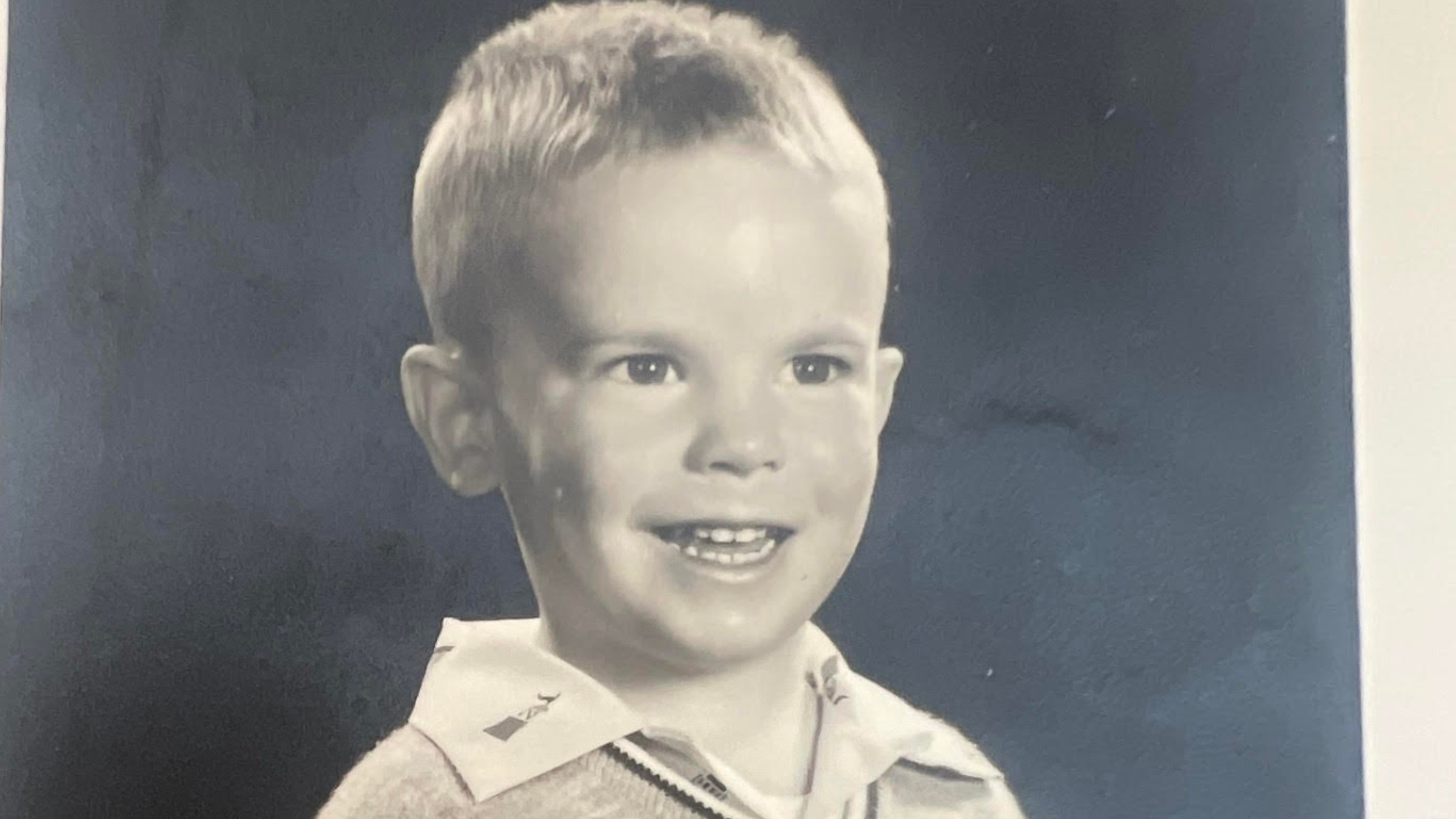
A turning point occurred when Norton discovered a box of black-and-white photos after his father’s death. The images showed a smiling young man who owned and raced horses, a world of risk and glamour that his father eventually gave up for the “grind” of family life.
What led to the shift in perspective regarding family sacrifice?
Norton realized that his father lacked the “me-time” and luxury of modern wellness practices. He notes that his father worked constantly to pay bills rather than pursuing indulgences.
The realization came during a yoga session, where Norton imagined his father at peace in Mountain Pose. This mental image led to a lifelong “exhalation” and an understanding of the compromises his father made.
Norton concludes that having a clear vision of what he did not want to become helped him define his own identity. He now views his father as a man who gave his children everything he had.
What may happen next for those using wellness for reconciliation?
Individuals facing similar familial strains could find that integrating physical movement with emotional reflection may lead to a revised personal narrative. A shift in perspective is likely to occur when the provider’s sacrifices are weighed against their behavioral shortcomings.
Future practitioners may find that identifying specific “anti-models” in their family history could serve as a catalyst for personal growth and identity formation.
Frequently Asked Questions
What specific yoga poses helped Michael J. Norton gain perspective?
Norton mentions Tree Pose as the moment of realization and envisions his father at peace in Mountain Pose.
Where did Norton’s father live and work?
His father spent his entire life in Philipsburg, New Jersey.
What did Norton discover about his father’s youth?
Norton found photos of his father as a dapper young man who owned and raced horses at the track.
How has your perspective on your parents’ sacrifices changed as you’ve grown older?