

Health Gyms in São Paulo: Locations and Wellness Activities
The city of São Paulo operates 66 Health Academies (Academias da Saúde) linked to Basic Health Units (UBSs) to promote healthy lifestyles through physical activity and wellness. Established in 2011, the program provides public infrastructure and multiprofessional teams to offer services like pilates, nutrition guidance, and complementary health practices across the city’s South, East, Southeast, and West regions.
These facilities function as strategic hubs for health promotion. According to program data, the initiative integrates physical exercise with broader wellness goals, including health education and nutritional awareness.
What services do São Paulo’s Health Academies provide?
The program offers a wide range of activities beyond traditional exercise. Multiprofessional teams lead sessions from Monday to Friday, during both morning and afternoon hours.
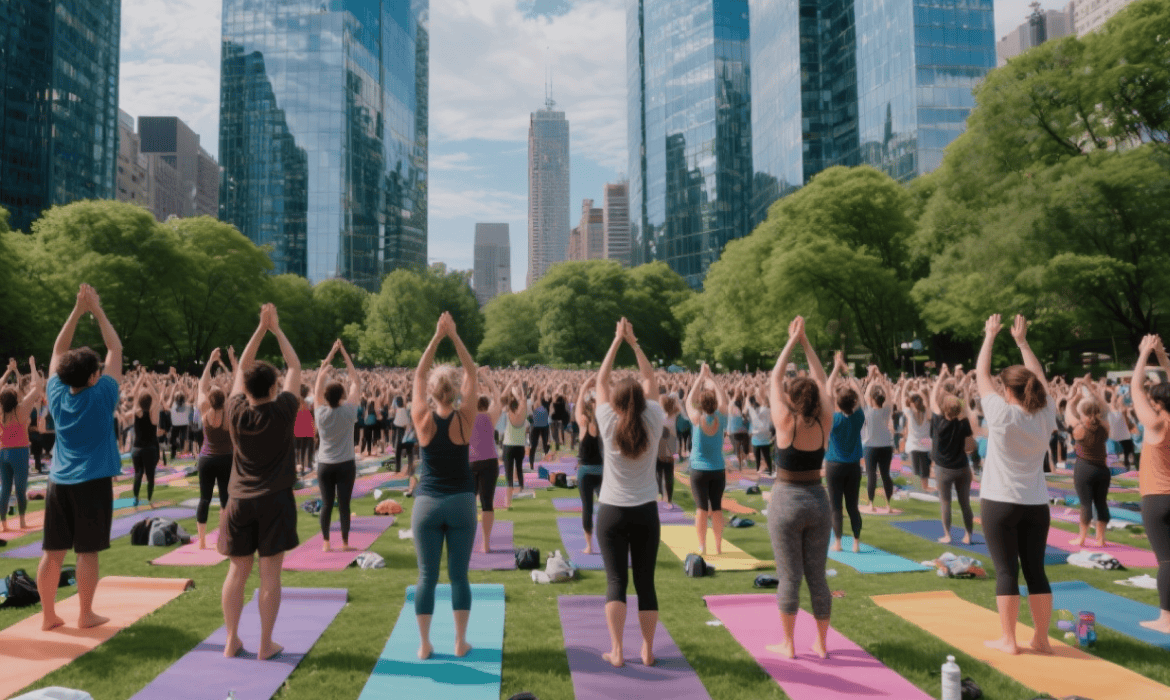
Physical activities include strengthening, stretching, pilates, functional exercises, and relaxation. The program also incorporates specific practices such as lian gong, chian gong, and circular dance.
Wellness and integrative care are central to the offering. This includes auriculotherapy, shantala, moxibustion, aromatherapy, tea circles, and hortotherapy. Teams also lead discussions on organic foods and healthy eating habits.
Where are these health facilities located?
The 66 academies are distributed across several administrative regions of the capital. Each is tied to a specific Basic Health Unit (UBS).
In the East region, services are available at units including UBS Nascer do Sol, UBS Ermelino Matarazzo, and UBS Vila Cisper. The North region includes UBS Perus and UBS Jd Japão, while the West region features UBS Parque da Lapa and UBS São Remo.
The South region hosts units such as UBS Parelheiros and UBS Vargem Grande. The Southeast region includes UBS Heliópolis and UBS Belenzinho, and the Center region provides access via UBS Sé and UBS Santa Cecília.
How does this program impact community health?
The program matters because it transforms public spaces into centers for health education. By offering artistic and cultural practices alongside medical support, it addresses health from multiple angles.
Using existing multiprofessional teams ensures that the activities are led by qualified staff. This integration allows the city to promote healthy eating and wellness without creating entirely separate healthcare silos.
What could be the next steps for the program?
Given the current distribution, the city may look to further integrate artistic and cultural practices into more units. A possible next step could involve expanding the variety of organic food conversations to increase nutritional awareness.
The program is likely to continue utilizing its existing UBS links to maintain the flow of participants from primary care into these wellness spaces.
Frequently Asked Questions
When are the Health Academy activities available?
Activities are developed from Monday to Friday, during the morning and afternoon.
What is the primary goal of the Academia da Saúde?
The program is a strategy to promote health care through public spaces with infrastructure and qualified professionals, focusing on physical activity, well-being, and nutrition.
Are the activities open to everyone?
Yes, the program develops activities that are open to the population.
How do you think accessible public wellness spaces change a community’s approach to healthcare?