
_-_Ekaterina_Markelova_M2_4392c2cb09c3463c87360cc051af7033-620x480.jpg "Healthcare Access and Insurance Gaps Impact Folic Acid Use and Birth Defect Risks")
Healthcare Access and Insurance Gaps Impact Folic Acid Use and Birth Defect Risks
UC Irvine researchers found that health insurance and healthcare access are primary drivers of folic acid supplementation among women aged 18 to 49. Using data from the National Institutes of Health’s All of Us Research Program involving over 85,000 women, the study highlights how structural barriers, rather than birthplace, influence the prevention of neural tube defects.
Why does insurance coverage affect folic acid use?
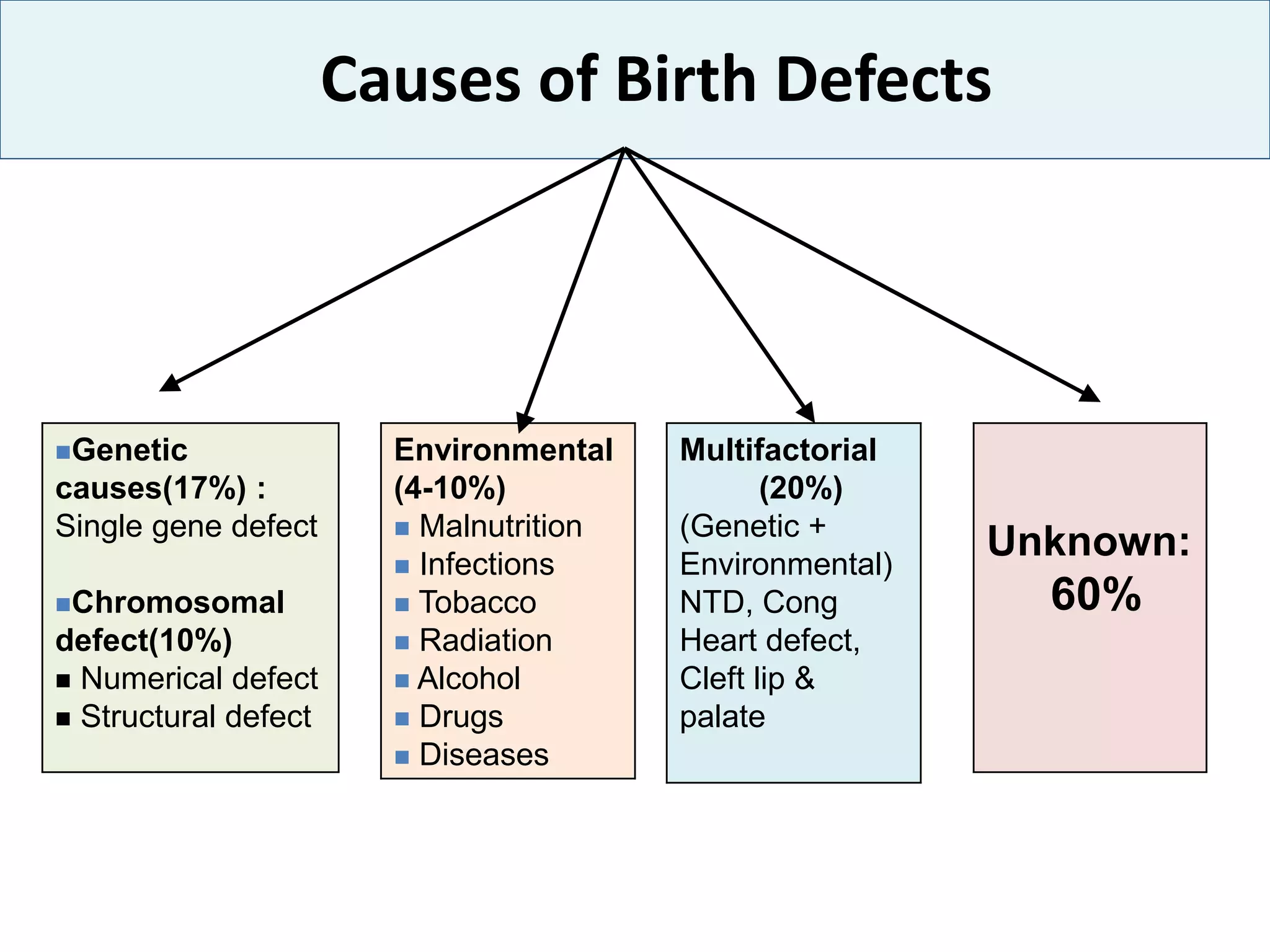
According to the study published in the Journal of Sexual and Reproductive Healthcare, women without health insurance are significantly less likely to take folic acid supplements. This vitamin B form is critical for preventing neural tube defects like anencephaly and spina bifida, which often develop before a woman knows she is pregnant.

Researchers noted that older pregnant women show higher supplementation rates. This trend likely reflects their increased access to prenatal care and healthcare providers. National guidelines recommend daily folic acid for all women who could become pregnant, yet the researchers found that overall use remains low.
How do racial and ethnic disparities shape healthcare access?
The research revealed distinct patterns in supplement use across different demographics. Non-Hispanic Black women reported taking folic acid supplements more frequently than non-Hispanic White women.
For Hispanic participants, the data showed that birthplace—whether U.S.-born or foreign-born—did not create a significant difference in use. Instead, factors such as educational attainment, age, pregnancy status, and health insurance coverage were the primary drivers of supplementation.
Yael Marks, a health sciences assistant clinical professor at UC Irvine, stated that structural barriers like insurance coverage strongly influence whether women receive this lifesaving intervention. Co-author Isabel Almeida added that the interdisciplinary approach allowed the team to view folic acid use through the lens of social inequities rather than just a medical issue.
What happens next for food fortification policies?
The study’s findings may influence public health strategies and the expansion of food fortification. In January 2026, California became the first state to require folic acid fortification in corn masa flour products, including tortillas.
This move targets populations that rely on masa-based foods as dietary staples. Because the research suggests structural barriers are a major hurdle, other states could consider similar policies to increase folic acid intake in Hispanic households.
Public health efforts may now lean toward more culturally responsive outreach and improved education. Such steps could help reduce preventable birth defects by bypassing some of the insurance-related barriers identified by the UC Irvine team.
Frequently Asked Questions
What are neural tube defects?
They are serious birth defects, such as spina bifida and anencephaly, that develop early in pregnancy, often before a woman is aware she is pregnant.
Which groups were more likely to use folic acid supplements?
The study found that non-Hispanic Black women and older pregnant women were more likely to report using the supplements.
What is the All of Us Research Program?
It is one of the largest health research initiatives funded by the National Institutes of Health, designed to enroll at least 1 million diverse participants to advance public health research and personalized medicine.
Could expanded food fortification be the most effective way to overcome insurance barriers in preventive healthcare?