
Healthcare Cost-Cutting Measures Threaten Vision Rights for Macular Degeneration Patients
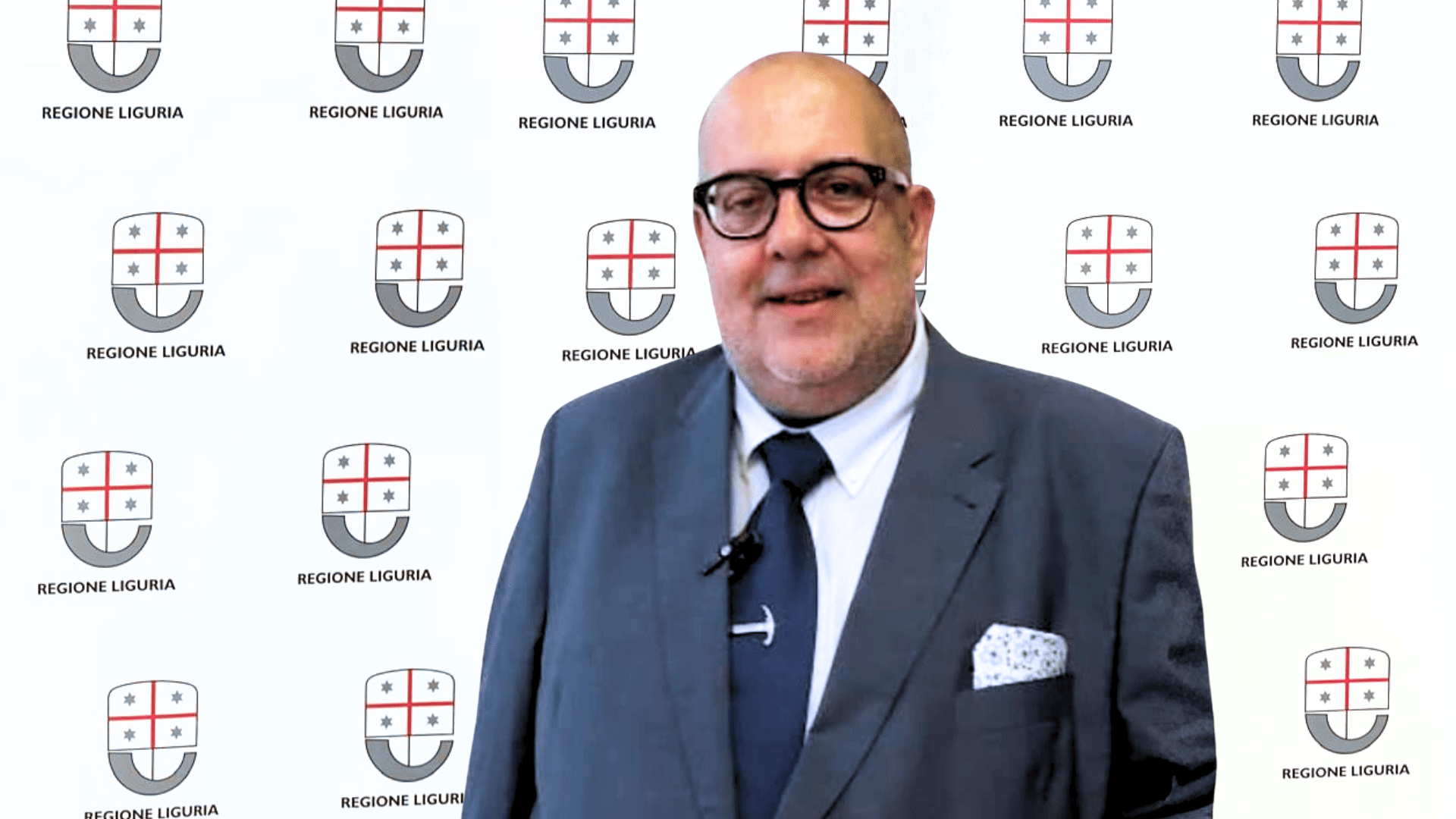
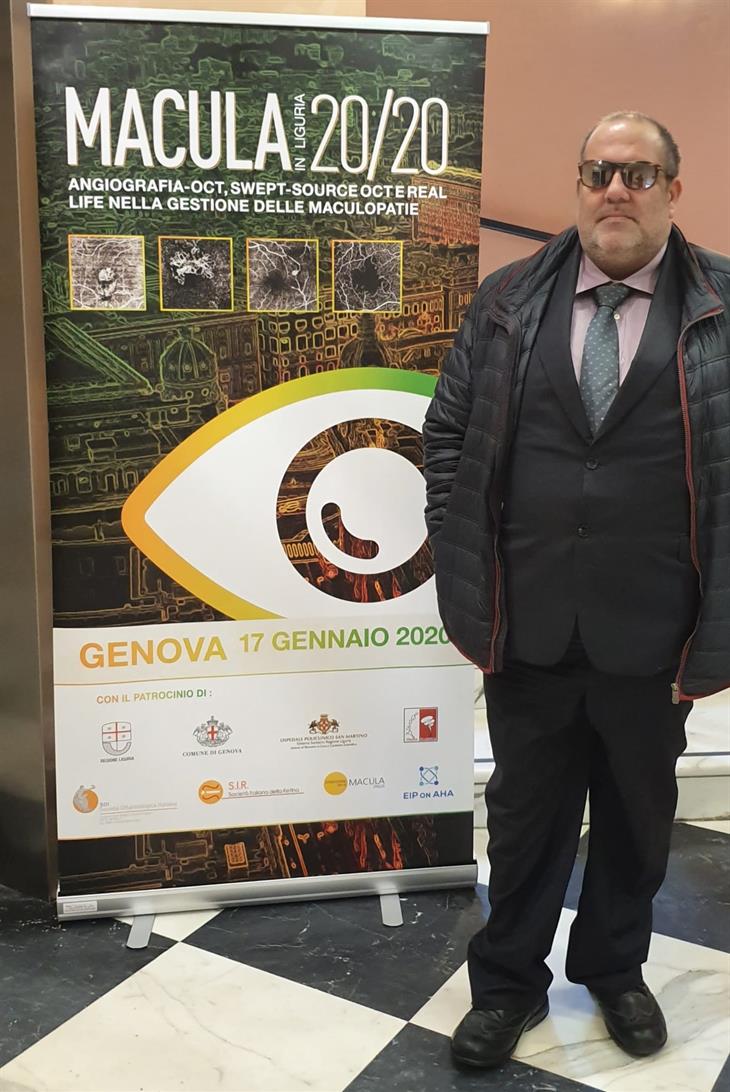
The Comitato Macula, Italy’s first association dedicated to the protection of patients and physicians treating maculopathy, has issued a stark warning regarding the management of hospital pharmaceutical spending. The group describes a “therapeutic-financial” obsession that prioritizes marginal savings over the fundamental right to sight.
The Paradox of Public Health Spending
Experts from the Comitato Macula highlight a critical imbalance in how resources are allocated for retinal pathologies. Regional directives are reportedly imposing a monopoly on first-generation biosimilar drugs for intravitreal anti-Vegf therapies within the public sector.
This strategy is described as lacking macroeconomic logic, as ophthalmology accounts for only a marginal share of national public health spending, estimated between 1% and 3%. While larger health sectors offer significant room for optimization, drastic linear cuts are being concentrated on this microscopic portion of the budget.
“We are facing a mathematical paradox before a sanitary one,” states Massimo Ligustro, president of the Comitato Macula. “Subtracting pharmaceutical innovation from ophthalmology generates a ridiculous saving for public coffers, but an immense social cost.”
The Systemic “Boomerang” Effect
The reliance on cheaper, first-generation drugs has created a financial and operational boomerang. While hospital pharmacies save a few euros per vial, the system suffers from the collapse of infrastructure due to the nature of the medication.
Because these drugs have a shorter duration, patients require more frequent injections. This leads to overcrowded waiting lists, the exhaustion of operating room capacity, and burnout among the limited number of available ophthalmologists.
the national average for treatments stands at just 3.2 injections per year per patient. This frequency is deemed insufficient to stop the progression of the disease, often forcing patients to abandon therapy or turn to expensive private healthcare.
Human Consequences and Social Risk
The exclusion of innovative, latest-generation molecules—which can extend treatment autonomy from a few weeks to over three months—places specific populations at high risk. This includes monocular patients and young individuals suffering from diabetic retinopathy.
For these patients, the quality and timeliness of care determine whether they can remain in the workforce or be condemned to disability. University eye clinics, which serve as centres of excellence for data collection and experimentation, are paradoxically penalized by spending caps because of their commitment to high-quality care.
A Path Toward Efficiency
The Comitato Macula suggests that real savings could be achieved by shifting intravitreal injections from large operating rooms to protected outpatient clinics. This move could eliminate organizational waste and reduce the logistical burden on families.
Massimo Ligustro points out the disparity in care standards, noting that while the National Health Service provides high-quality hip prosthetics to guarantee mobility, it does not provide equivalent innovation for vision. “We have the freedom to walk for thirty years, but not the freedom to see where we are going,” he concludes.
What May Happen Next
The Comitato Macula has called for an urgent intervention from the Ministry of Health and the State-Regions Conference. A possible next step could involve the restoration of the principle of patient centrality and the protection of a physician’s freedom to prescribe.
If these demands are met, the system may see a more uniform access to therapeutic innovation across all national territories. This shift could potentially reduce the volume of patients in operating rooms and decrease the overall social cost associated with vision loss.
Frequently Asked Questions
What is the main complaint of the Comitato Macula? The association denounces a strategy that imposes a monopoly of outdated, first-generation biosimilar drugs in the public sector to achieve insignificant financial savings, thereby limiting access to innovative treatments. How does the use of biosimilars affect hospital infrastructure? Because biosimilars often have a shorter duration, they require more frequent injections. This results in overcrowded waiting lists, a shortage of operating room space, and professional burnout for ophthalmologists. Which patient groups are most at risk according to the report? The highest risks are faced by monocular patients and young people with diabetic retinopathy, for whom high-quality, timely care is essential to avoid disability and remain employed. How should healthcare systems balance the need for budget rationalization with the necessity of providing the most innovative medical treatments?