
Healthy Eating Tips for Seniors During Winter: How to Stay Nourished and Active
Maintaining energy and health during the autumn and winter months requires specific dietary adjustments for the silver generation, according to Daniela Pascualini, director of the Nutrition area at the Universidad Abierta Interamericana (UAI). While colder temperatures increase the body’s metabolic need to maintain a constant 36°C, this physiological response does not justify unlimited caloric intake or the consumption of ultra-processed foods, which often increase due to more sedentary indoor lifestyles.
Did You Know? The World Health Organization (WHO) advises that daily sodium intake should not exceed 2 grams, which is equivalent to 5 grams of salt, to mitigate the risks of hypertension and cardiovascular disease.
Expert Insight: The transition into colder weather often creates a “trap” for older adults: a combination of reduced physical activity and a psychological craving for calorie-dense, refined carbohydrates. By focusing on nutrient-dense ingredients and portion control rather than total food elimination, individuals can protect their cardiovascular health while still enjoying seasonal, warm meals.
Managing Caloric Intake and Nutrition
According to Pascualini, the sensation of hunger in winter is a normal metabolic response to cold, but it is frequently misinterpreted as a need for excessive eating. She notes that the body’s energy expenditure to stay warm is limited and does not support an unrestricted diet. To maintain quality nutrition, she recommends incorporating fruits and vegetables daily to provide essential zinc and vitamin C, which are vital for immune support. Recommended sources include citrus fruits, kiwi, strawberries, tomatoes, broccoli, and peppers.
Strategies for Healthy Winter Cooking
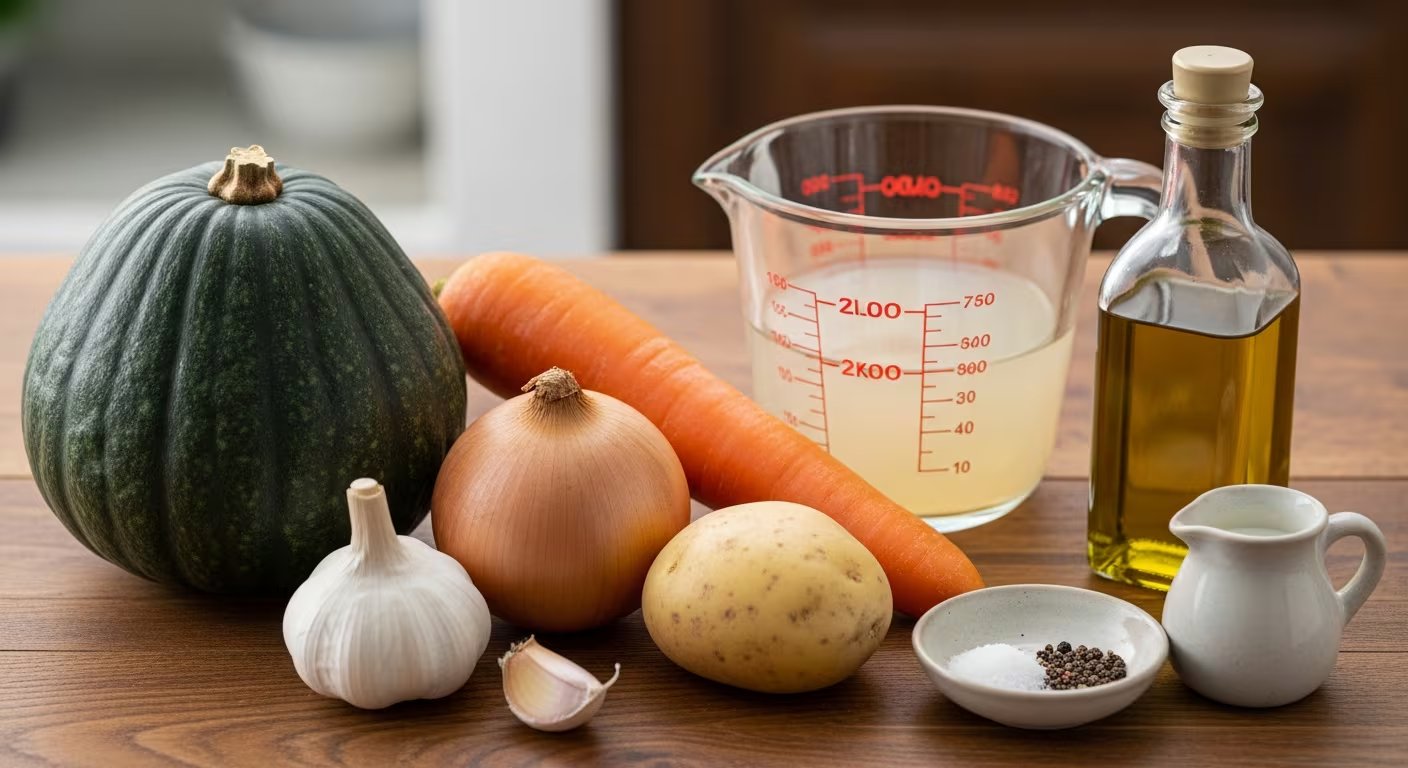
Cooking techniques play a decisive role in nutritional value. Pascualini suggests that boiling vegetables for too long degrades micronutrients. Instead, she recommends adding leafy greens to already boiling water for short periods. Furthermore, traditional winter dishes like lentil stew can remain healthy if prepared with lean meats, limited oil, and a base of fresh vegetables such as pumpkin, carrots, and potatoes. She emphasizes that a lentil stew can be just as caloric as a pasta dish if ingredients like cream or excessive fats are added, making the quality of components essential.

Controlling Portions and Hydration
Pascualini identifies portion control as a primary factor in preventing weight gain. She suggests using smaller plates—specifically dessert plates—to help visualize proper portions, aiming for a flat serving rather than “mountains of food.” Hydration also remains a critical concern, as the natural sensation of thirst often decreases in the cold. To ensure adequate water intake, she advises replacing sugary drinks with homemade broths, herbal infusions, and vegetable-based preparations. She warns that industrial soups and broths often contain hidden sodium and preservatives that may negatively impact those managing blood pressure.
What May Happen Next
For individuals who continue to prioritize sedentary habits throughout the winter, experts expect a higher likelihood of weight gain and increased fatigue. Conversely, those who adopt the recommended routine of maintaining consistent meal schedules, daily walking, and prioritizing fresh, homemade meals are likely to sustain better energy levels and immune function throughout the season. Continued reliance on ultra-processed foods may lead to an overconsumption of sodium, potentially worsening existing cardiovascular conditions in older populations.
Frequently Asked Questions
How can I keep up my fruit and vegetable intake without eating cold salads?
Pascualini suggests incorporating these foods into warm preparations such as soups, stir-fries, tarts, puddings, compotes, baked vegetables, or even warm smoothies.
Is a lentil stew a good choice for a healthy diet?
Yes, it is highly nutritious and filling, provided it is made with lean meats, minimal oil, and a variety of fresh vegetables, rather than relying on high-fat additives.
How can I control my portion sizes during the winter?
The expert recommends using a smaller plate, such as a dessert plate, and aiming for a flat, even serving rather than piling food high.
How do you plan to adjust your kitchen habits to stay healthy as the temperature drops?