

Henri Matisse: The Final Years and Creative Rebirth
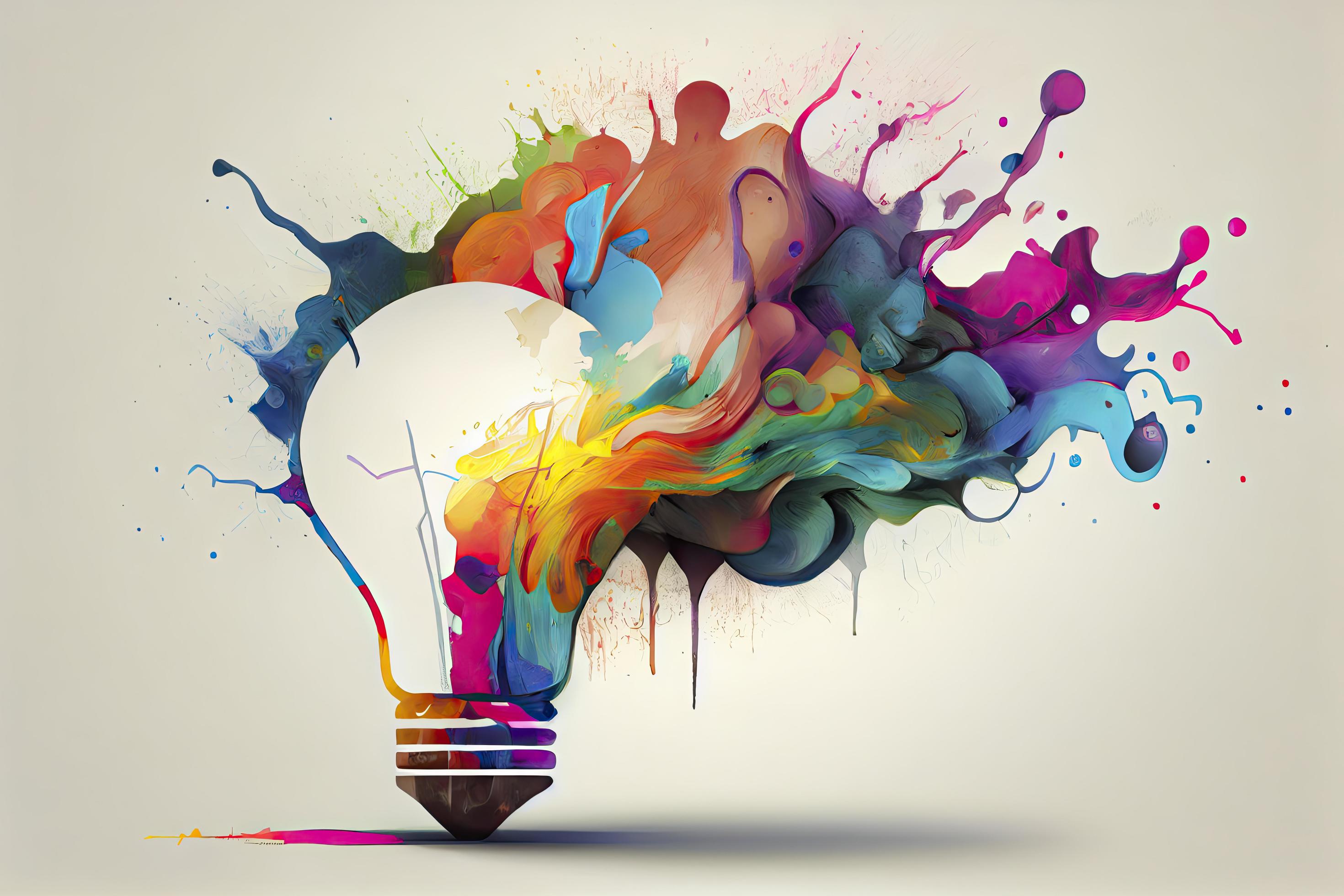
Henri Matisse’s late-period shift toward synthesis and “cut-out” techniques suggests a future trend toward “adaptive creativity,” where physical limitations drive radical innovation. According to the Grand Palais exhibition catalog Matisse 1941-1954, Matisse’s “second life” after 1941 transformed illness into a catalyst for simplified, high-impact visual languages—a precedent now mirrored in modern inclusive design and digital minimalism.
How will the “process as product” philosophy impact digital art?
The concept of the “work in progress” as a final result is moving from the studio to the screen. Matisse described his creative process as a “sort of perpetual cinema,” a claim documented in the Grand Palais records. He proved this by exhibiting paintings alongside photographs of their transitional stages at the Galerie Maeght in 1945.

This approach mirrors the current “Build in Public” movement in software development and the rise of process-driven content on platforms like TikTok and Instagram. Future art trends will likely move away from the “static reveal” toward “evolutionary assets.” We are seeing this in the blockchain space, where some artists create NFTs that evolve based on time or external data, making the duration of the work the primary value.
What is the future of “total art” in immersive architecture?
Matisse’s work on the Dominican Chapel of the Rosary in Vence represents the “total work of art” (Gesamtkunstwerk). According to the Matisse 1941-1954 catalog, he controlled every element, from the architectural program and stained glass to the furniture and the priests’ vestments.
The trajectory of this theme points toward “Spatial Computing” and VR environments. Rather than designing a single object for a room, future architects and designers are creating total sensory ecosystems. The Vence Chapel’s use of light through glass—inspired by the Cathedral of Chartres—is the analog precursor to modern “light architecture” in digital spaces, where light is used as a structural element to define mood and movement.
Industry data suggests a shift toward “holistic environments” in healthcare design. By applying Matisse’s principle of using art to transcend physical infirmity, hospitals are increasingly integrating integrated color theory and light-based art to aid patient recovery, treating the entire ward as a curative “total work.”
Why is the “light through darkness” theory relevant to modern UI design?
Matisse maintained that “black is a color.” In his 1943 work Tulipes et huîtres sur fond noir, he used an ebony surface to propagate a specific luminosity, a technique highlighted in Volkmar Essers’ biography Henri Matisse 1869-1954.
This philosophy is now a cornerstone of modern User Interface (UI) design, specifically “Dark Mode.” Rather than simply inverting colors, high-end digital design uses deep blacks to create contrast that reduces eye strain and makes primary colors “pop” with a luminosity similar to Matisse’s black backgrounds. The trend is moving toward “True Black” (OLED) interfaces, where the absence of light is used to create a sense of infinite depth and focus.
Can “adaptive creativity” redefine art for aging populations?
Matisse’s most prolific period occurred between 1941 and 1954, a time when he dealt with severe surgical after-effects and partial infirmity. He described his late-life drawing surge as a “flowering.”
This suggests a future where “assistive creativity” becomes a standard for aging populations. As AI and robotic tools evolve, the “cut-out” method—which allowed Matisse to “draw with scissors” when he could no longer stand at an easel—is being replicated in digital tools. Eye-tracking software and voice-to-image generators are the modern equivalents of the scissors, allowing those with limited mobility to achieve the same “synthesis” and “creative slancio” that Matisse found in his final years.
Comparing the two eras, Matisse used physical tools to bypass physical limits; future artists will use neural interfaces. The core drive remains the same: the refusal to let biological decline dictate the boundaries of creative output.
Frequently Asked Questions
What was Matisse’s “second life”?
It refers to the period from 1941 to 1954, following a life-threatening surgery, during which he became more prolific and experimented with new techniques like cut-outs.

How did Matisse view the color black?
Matisse viewed black not as a void, but as a color capable of creating and enhancing light, as seen in his works like Tulipes et huîtres sur fond noir.
What is the significance of the Vence Chapel?
It is considered his most important life work, a “total work of art” where he designed everything from the building’s architecture to the liturgical clothing.
Explore the Evolution of Modern Art
Do you believe physical limitations can actually spark greater creativity? Share your thoughts in the comments below or subscribe to our newsletter for more deep dives into art history and future trends.