

Hermes Unveils New Nagoya Boutique Inspired by Japanese Textile Traditions
Hermès has opened a new retail location at The Landmark Nagoya Sakae in Japan, marking a strategic shift toward hyper-localized store design. According to the brand, the boutique’s architectural concept, developed by Paris-based firm RDAI, integrates Nagoya’s historical textile traditions directly into the store’s structural identity. The space showcases the brand’s sixteen merchant categories across multiple levels, utilizing regionally inspired materials like molded glass and hand-woven cotton to connect with local consumers.
How does hyper-local architecture influence luxury retail?
Hyper-local design functions as a bridge between global luxury branding and regional cultural heritage. By incorporating motifs such as Nagoya’s textile customs, brands like Hermès move beyond standardized retail aesthetics to create a sense of place. RDAI’s design for this location features a curtain crafted from nearly 1,000 hand-woven cotton threads, a direct nod to local loom history. Industry analysts often view this strategy as a move to increase consumer dwell time and brand loyalty by transforming boutiques into cultural landmarks rather than mere transaction points.
The menswear section of the Nagoya boutique features walls finished in pleated gray silk, specifically designed to mirror the aesthetic of the traditional Japanese hakama.
What defines the current shift in boutique interior design?
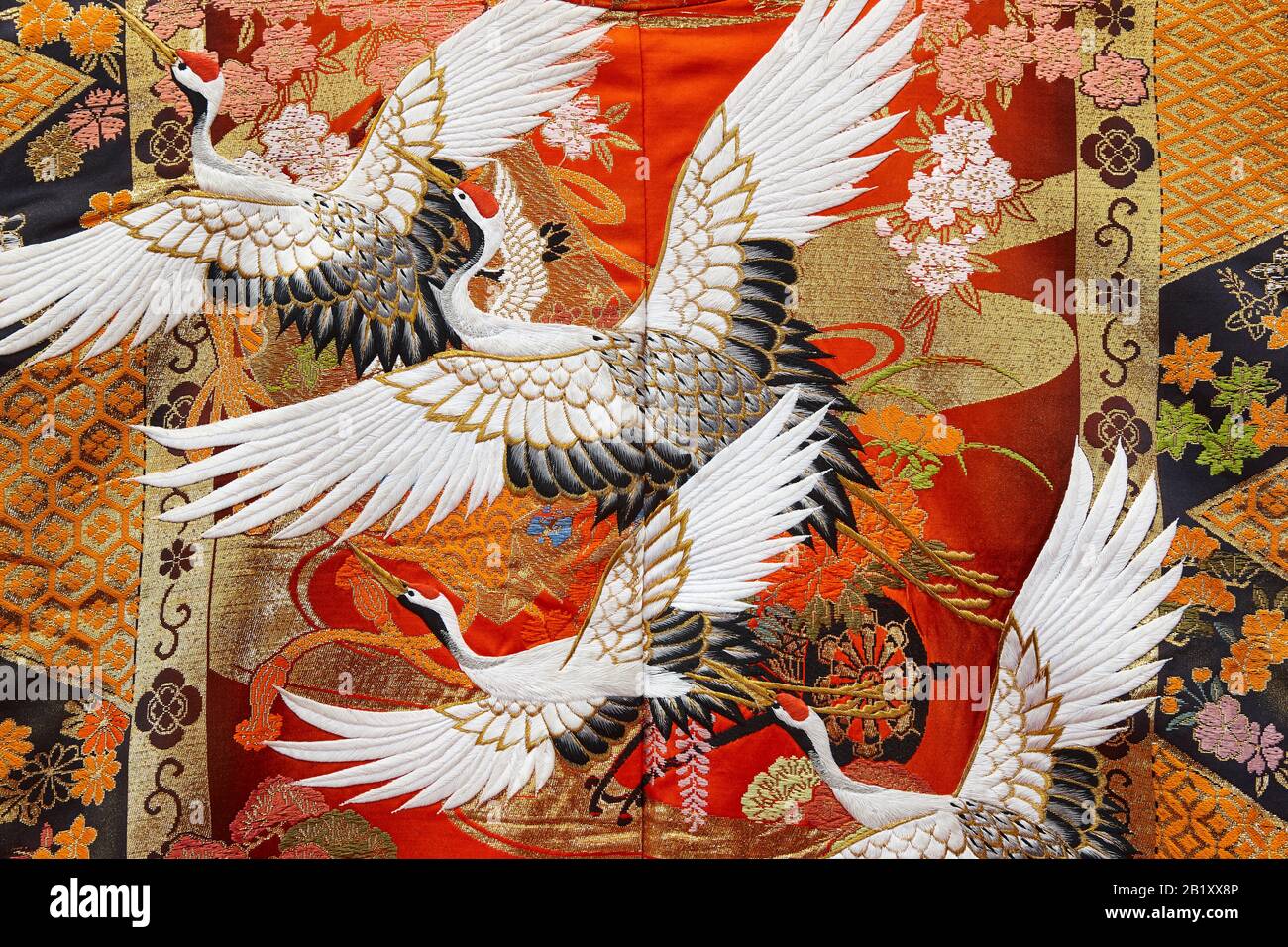
Modern luxury retail interiors are increasingly moving toward multi-sensory, narrative-driven spaces. The Nagoya store utilizes a central stone staircase to link distinct departments, each with a unique visual language. While the womenswear section relies on yuzen-inspired floral elements and a blush-toned palette, the top floor shifts to shibori-inspired dyeing techniques for the home and equestrian collections. This compartmentalization allows the store to function as a curated gallery, distinguishing it from traditional open-plan retail layouts.

Pro Tip: The Power of Tactile Retail
Retailers are finding that physical stores succeed when they offer textures that cannot be replicated online. Incorporating local craft—such as the yuzen-inspired stucco used in the Nagoya womenswear department—provides a tactile experience that encourages shoppers to visit in person.
How do Japanese retail trends compare to global standards?
Japan remains a focal point for global luxury brands due to its emphasis on high-touch craftsmanship. While many Western retailers focus on high-speed digital integration, as seen in the recent expansion of TikTok’s e-commerce entry into Japan, established houses like Hermès prioritize the physical boutique experience. This contrast highlights a bifurcated market: one side chasing algorithmic speed and the other doubling down on the slow, deliberate appreciation of regional art and material culture.
Frequently Asked Questions
What is the primary design inspiration for the new Hermès Nagoya store?
The store’s design is inspired by the rich cultural history and long-standing textile customs of Nagoya, Japan.
Which specific collections are available at the Nagoya location?
The boutique houses the complete range of Hermès categories, including menswear, womenswear, jewellery, equestrian equipment, and home collections.
What makes the interior of the boutique unique?
The store features architectural elements such as a hand-woven cotton curtain, a central stone staircase, and specific room designs that reference traditional Japanese techniques like shibori and yuzen.
What are your thoughts on the intersection of luxury fashion and local heritage? Share your perspective in the comments below or subscribe to our newsletter for more insights into the evolving retail landscape.