

Hezbollah launches rockets at IDF posts after Lebanese media reports IDF strikes
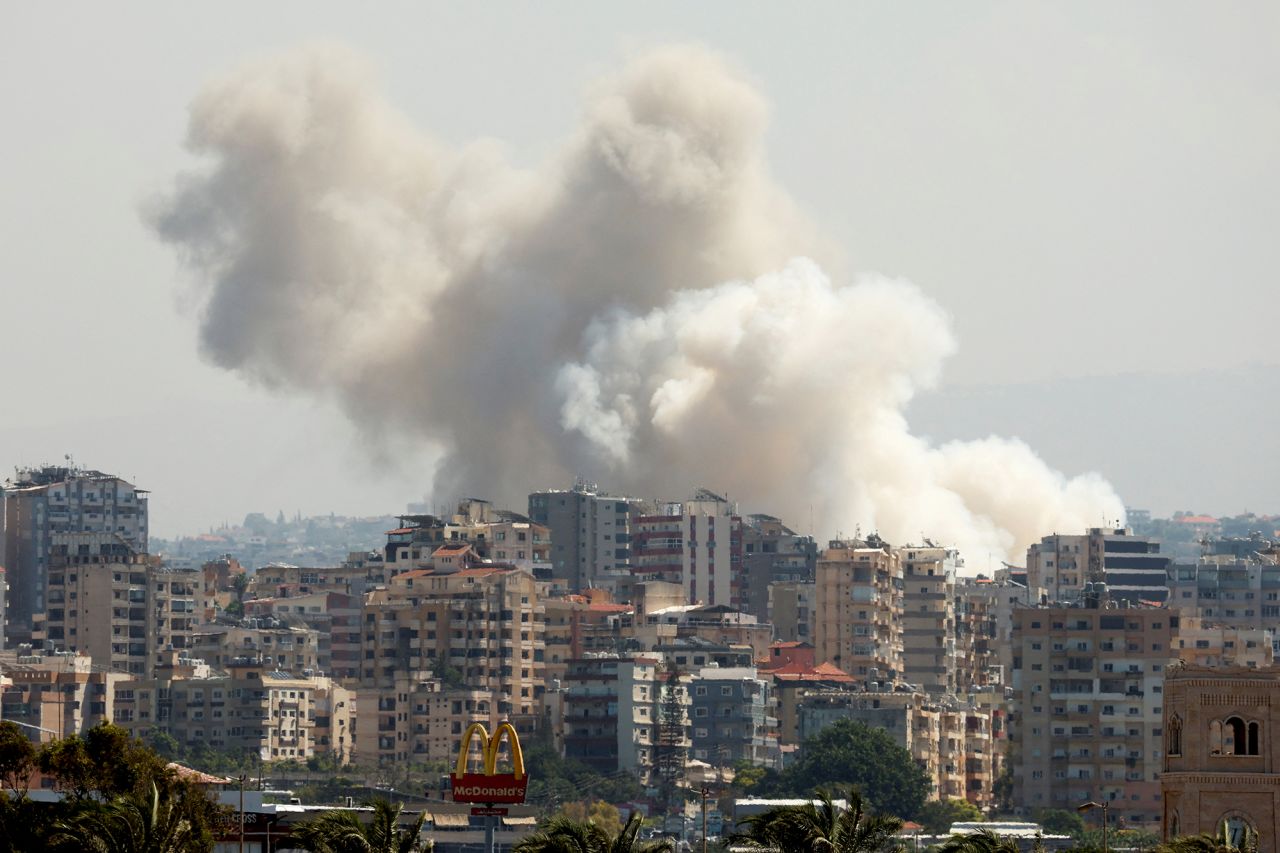
Lebanese media outlets reported that the Israel Defense Forces (IDF) conducted strikes in southern Lebanon on Monday, though no official Israeli sources have confirmed the operation. This development follows a period of heightened regional tension, characterized by a low-grade strike on Beirut that Prime Minister Benjamin Netanyahu and Defense Minister Israel Katz had previously foreshadowed. The incident highlights the precarious balance Israel is attempting to maintain: applying pressure on Hezbollah while seeking to avoid a wider conflict with Iran.
Immediate Reactions and Escalation
The reported strikes in southern Lebanon were followed quickly by sirens across northern Israel as three projectiles were launched toward IDF posts. According to the military, air defenses intercepted some of the rockets before they crossed into Israeli territory, while one projectile fell near Israeli soldiers. No wounded were reported during these exchanges.

The timing of these launches is significant, occurring less than an hour after Iran stated it would cease firing on Israel if the IDF stopped its offensive operations. This sequence suggests a volatile environment where local skirmishes continue despite broader diplomatic signaling from Tehran.
The recent strikes on Beirut were explicitly foreshadowed by both Prime Minister Benjamin Netanyahu and Defense Minister Israel Katz, signaling a calculated attempt to exert pressure on Hezbollah while attempting to avoid further antagonizing Iran.
The Complexity of Proxy Warfare
Analysts are currently weighing whether the Hezbollah attackers acted independently or with direct authorization from their leadership. It remains unclear if the rocket fire was a coordinated move to challenge Israel or a localized decision made by actors anticipating that fighting in southern Lebanon would persist regardless of broader ceasefire signals.
The situation is further complicated by recent activity involving other regional proxies. Shortly after an IDF operation in Dahiyeh on Sunday, sirens sounded in northern Israel following the detection of an Iranian missile launch. Reports indicate that one Houthi-linked missile fell short of Israeli territory, while another was intercepted by Israeli air defenses. To date, all Iranian-linked missiles have either been shot down or failed to reach their targets.
Samantha Carter notes that the current situation reflects a delicate “tightrope” strategy. By utilizing low-grade strikes, Israel appears to be testing the limits of its adversaries’ tolerance, hoping to degrade Hezbollah’s capabilities without triggering the full-scale retaliation that a more aggressive campaign against Iran’s primary proxy would likely invite.
What May Happen Next
The trajectory of this conflict remains uncertain. If the IDF continues its operations in southern Lebanon, it is possible that Hezbollah may persist with localized rocket attacks against northern Israeli posts, even if they choose to refrain from targeting civilian towns. Analysts expect that if Iranian-linked missile activity continues, the IDF may further intensify its defensive and offensive posturing to maintain its current strategic advantage.
Frequently Asked Questions
Did official Israeli sources confirm the strikes in southern Lebanon?
No, there has been no official confirmation from Israeli sources regarding the strikes reported by Lebanese media outlets.
Were there any casualties reported following the rocket fire in northern Israel?
No, the military reported that there were no wounded, despite one projectile falling near Israeli soldiers.
How have Iranian-linked missiles performed during these recent escalations?
According to reports, all Iranian missiles launched so far have either been shot down by Israeli air defense or have fallen short of Israeli territory.
How do you assess the balance between regional military pressure and diplomatic efforts to de-escalate these tensions?