
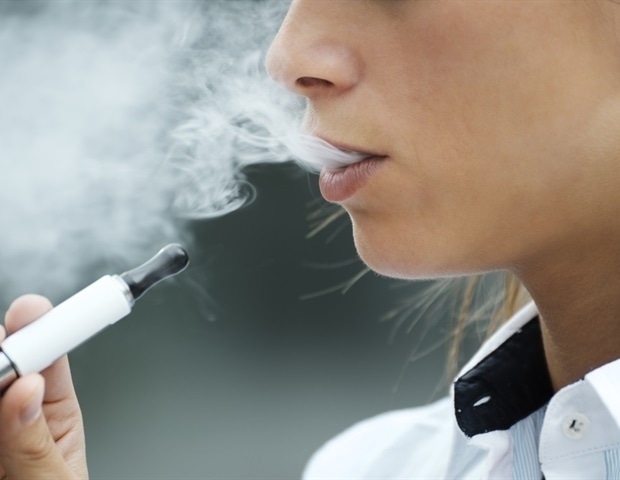
High-puff disposable vapes may accumulate harmful toxic chemicals
A new study reveals that disposable electronic cigarettes designed for high-puff use—capable of delivering thousands of inhalations—may accumulate significantly higher levels of harmful chemicals over time, raising concerns about long-term health risks for users.
What Happened: Toxic Chemicals Accumulate in Used Vapes
Researchers at the University of California, Riverside analyzed leftover liquid from heavily used disposable vape devices collected in Southern California. Comparing used and fresh versions of the same brands, they found that prolonged heating cycles led to the buildup of toxic aldehydes—including methylglyoxal (MGO), glyoxal (GO), and formaldehyde—in the remaining e-liquid.

These compounds, known to cause cell damage and inflammation, reached concentrations measured in milligrams per milliliter—not trace amounts. In lab tests, MGO, one of the most concerning aldehydes, was found to be 10 to 100 times more toxic than acetaldehyde, disrupting lung cell function and increasing oxidative stress.

“The fluid remaining in a heavily used device has a very different and measurably more toxic chemical profile than fresh e-liquid,” said Prue Talbot, a professor in UCR’s graduate division and study advisor. “Chemical levels varied across brands, but extended use clearly leads to greater accumulation of harmful byproducts.”
Why It Matters: Hidden Risks in Late-Stage Vaping
The study underscores a critical gap in consumer awareness: users may unknowingly inhale higher concentrations of toxic chemicals as their devices approach the end of their advertised puff count. While regulators currently focus on fresh e-liquid composition, this research suggests that real-world use patterns could expose users to greater harm.
Formaldehyde, a recognised carcinogen, and MGO—linked to inflammation and cellular damage—were particularly concerning. “Until regulatory standards require testing across the full use cycle of a device, consumers have no way of knowing what they are actually inhaling late in a device’s life,” said Esther Omaiye, the study’s lead author.
What May Happen Next: Possible Scenarios
Researchers and regulators could prioritize testing vape liquids at multiple stages of use, not just when new. Manufacturers might face pressure to redesign devices to minimize chemical buildup or provide clearer warnings about late-stage use.

Public health campaigns could also emphasize the risks of prolonged device use, particularly among frequent users who may push devices beyond their intended lifespan. Meanwhile, consumers might seek alternatives like lower-puff devices or more transparent labelling on chemical accumulation.
Frequently Asked Questions
Are all high-puff vapes equally dangerous?
The study found that while toxic aldehydes accumulated in used devices across brands, the exact levels varied. No brand was singled out, but the risk appears consistent for devices designed for extended use.
Can I still use a vape safely if it’s near the end of its puff count?
The researchers advise caution, noting that the remaining liquid in heavily used devices contains significantly higher concentrations of harmful chemicals. Users may reduce exposure by replacing devices before depletion or choosing lower-puff options.
Will this change how vapes are regulated?
The study highlights a need for regulatory updates, but no official actions have been taken. Experts suggest future standards could require testing across a device’s full use cycle to better reflect real-world chemical exposure.
With disposable vapes now a staple in many households, how might this research influence your choices—or those of someone you know—about vaping habits?