
Higher home loan and credit repayments for consumers
The Monetary Policy Committee has increased interest rates by 25 basis points, bringing the rate to 10.50%. This decision directly impacts South Africans, who will now face higher repayments on credit cards, car finance deals, and home loans.
For households carrying approximately R1.55 million in debt, this adjustment could add as much as R400 to their monthly living expenses. This specific calculation is based on assumptions including a R1 million home loan, R500,000 in vehicle finance, and R50,000 in credit card debt.
Driving Forces Behind the Rate Hike
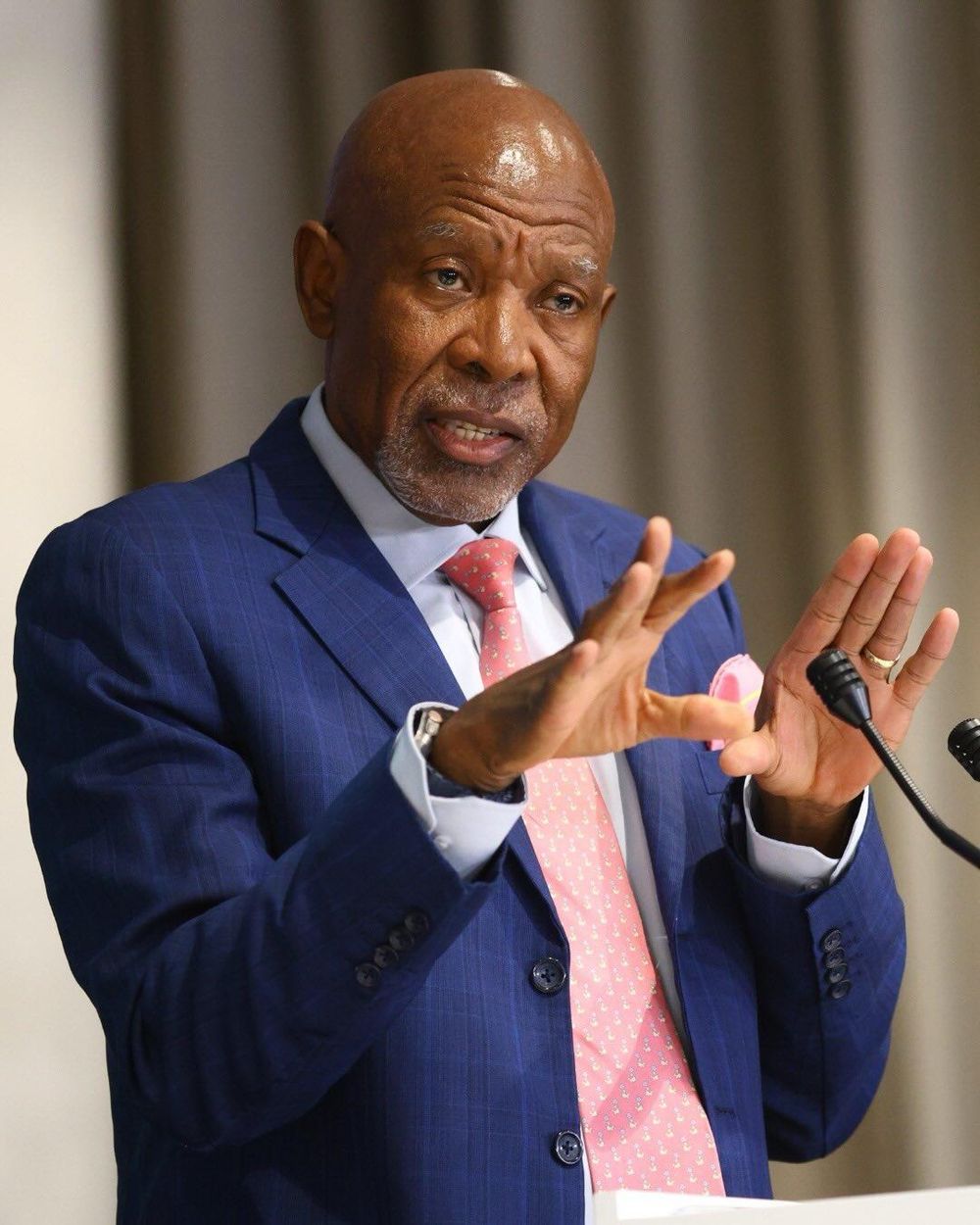
South African Reserve Bank Governor Lesetja Kganyago noted that the economic environment has changed since the last meeting in March. He highlighted that households are currently being “squeezed” while inflation expectations for the year have risen to 4.4%, with food prices being a particular concern.

Market watchers expected the move due to the current geopolitical climate and a spike in oil prices, which have reached as high as $120 a barrel. Governor Kganyago also mentioned that growth may be weighed down by climate change issues, such as the floods in Cape Town, and international geopolitical events.
“The SARB is likely to hike rates by 25bp to 7% this week, acting pre-emptively to prevent any second-round effects from becoming embedded in inflation,” said Lara Hodes, Investec chief economist.
The Debt Burden and Consumer Pressure
The timing of the hike coincides with alarming data from the DebtBusters Debt Index for the first quarter of 2026. The report found that consumers earning more than R50,000 a month now require 101% of their take-home pay to service debt every month.
This group’s debt-to-income ratio has climbed to 303%, the highest of any income bracket. The average number of credit agreements per applicant has risen to 8.5, the highest level since 2017.
Spending power is also declining. Real salaries for April fell by 1.2% month-on-month and 2.7% year-on-year, averaging R20,244—the lowest level recorded in two years.
Differing Economic Perspectives
Opinions remain divided on the necessity of the hike. Harry Scherzer from Future Forex suggested that a “higher-for-longer” rate environment could help support the rand and reduce risks linked to imported inflation.

Conversely, Samuel Seeff of Seeff Property Group argued against the increase, stating that inflation is largely imported and not the result of consumer overspending. He warned that further hikes could place unsustainable pressure on households already struggling with rising living costs.
Potential Future Scenarios
Looking ahead, Kristof Kruger from Prescient Securities noted that investors are now focusing on whether the Reserve Bank may indicate further tightening if oil prices and inflation remain elevated.
Independent economist Elize Kruger warned that persistent uncertainty around the global and local outlook could lead businesses to adopt a “wait-and-see” approach. This shift may negatively impact workforce expansion, investment decisions, and earnings expectations for the remainder of 2026.
Frequently Asked Questions
How much will the interest rate hike cost the average indebted household?
Based on a debt profile of R1.55 million (including a R1 million home loan, R500,000 in vehicle finance, and R50,000 in credit card debt), the hike could add as much as R400 to monthly living costs.
What is driving the increase in inflation?
Key drivers include the spike in global oil prices (reaching $120 a barrel), geopolitical conflict in the Middle East, and climate change issues such as the Cape Town floods.
What is the current state of real salaries in South Africa?
Real salaries fell 1.2% month-on-month and 2.7% year-on-year in April, reaching an average of R20,244, which is the lowest level in two years.
How do you think these rate changes will affect consumer spending in the coming months?