
Hill doctor a pioneer in program for veterans
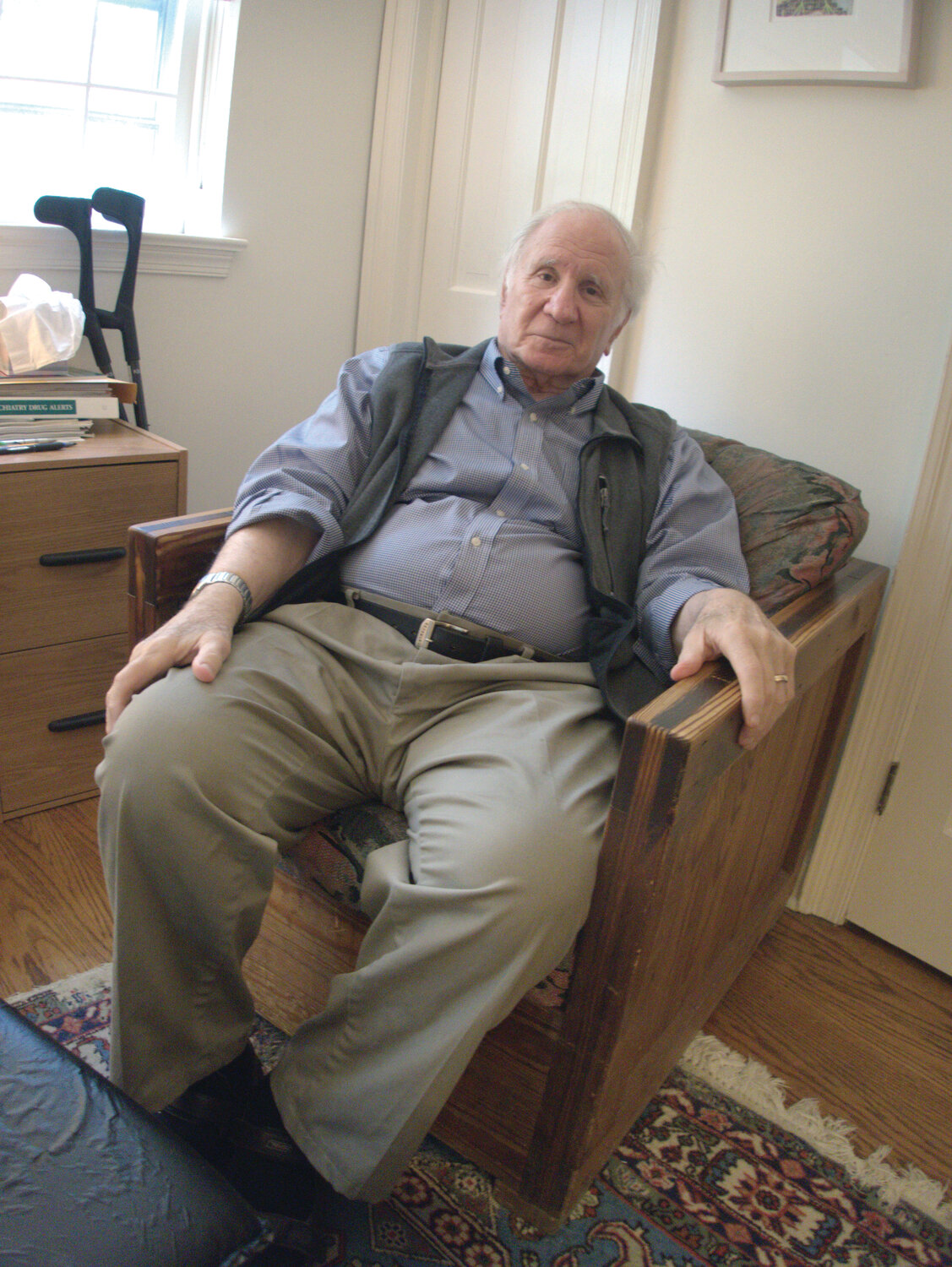
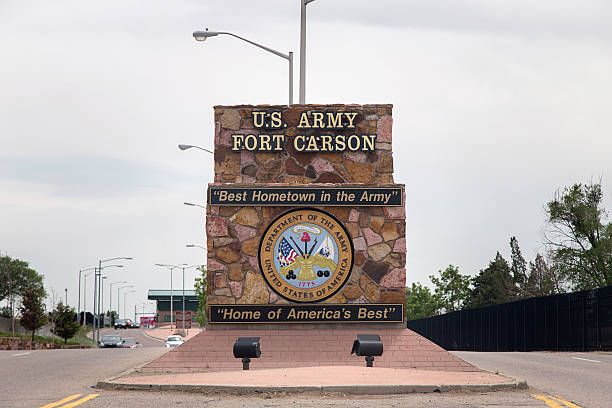
Dr. Franklin Maleson, an 86-year-old psychiatrist based in Chestnut Hill, continues to practice medicine while reflecting on a career that began with pioneering substance abuse treatment for Vietnam War veterans. According to Dr. Maleson, his early work at Fort Carson, Colorado, involved establishing the Army’s first drug abuse treatment and education center to address heroin addiction and PTSD. Throughout a career spanning decades, he has transitioned from military service to academia and private practice, while serving as a long-term chairman of the ethics committee at The Psychoanalytic Center of Philadelphia.
Dr. Franklin Maleson served as the chairman of the ethics committee at The Psychoanalytic Center of Philadelphia for over 25 years, where he taught ethics and adjudicated complaints of professional misconduct.
Evolution of Psychiatric Treatment
The practice of psychiatry has undergone significant shifts since Dr. Maleson began his career. While the classic psychoanalytic model—where a patient lies on a couch to reveal innermost thoughts—remains a known practice, Dr. Maleson notes that its usage has diminished in favor of more varied therapeutic approaches. He currently utilizes a blend of therapy, psychoanalysis, and medical management in his private practice.

Pharmacological treatments have also evolved. Dr. Maleson reports that while lithium was once used experimentally to treat bipolar disorder—then known as manic depression—with positive results, it is no longer the primary drug of choice due to potential risks like kidney damage. Modern practice now favors effective anti-psychotic medications as alternatives.
The transition from long-term, couch-based psychoanalysis toward a mix of medical management and shorter-term therapy reflects broader changes in the healthcare industry. Dr. Maleson’s observations suggest that shifts in insurance coverage have likely limited the availability of long-term psychotherapy, potentially forcing a move toward more streamlined, medication-focused patient care models.
Institutional Regression and Future Outlook
Dr. Maleson expresses concern regarding the current state of military drug treatment programs, suggesting that the field has seen a “regrettable regression” over time. He cites a decline in insurance coverage for long-term psychotherapy as a major barrier to providing consistent care for patients struggling with addiction and trauma.
Looking ahead, the landscape of psychiatric care may continue to be shaped by these economic constraints. If insurance policies continue to favor short-term interventions over long-term psychotherapy, practitioners may find it increasingly difficult to offer the comprehensive, sustained treatment that Dr. Maleson utilized during his time at Fort Carson. It remains to be seen whether military health systems will adopt more robust, integrated treatment models in response to these ongoing challenges.
Frequently Asked Questions
What was Dr. Maleson’s role during the Vietnam War?
Dr. Maleson served as a U.S. Army doctor at Fort Carson, Colorado, where he established the Army’s first drug abuse treatment and education center to treat heroin-addicted veterans.
Why is lithium no longer the primary drug for bipolar disorder?
According to Dr. Maleson, while lithium showed amazing improvement in patients, it is no longer the drug of choice because it was discovered that the medication may cause kidney damage.
What is Dr. Maleson’s current focus in his practice?
He maintains a varied practice that includes therapy, psychoanalysis, and medical management, while also serving as a training and supervising psychoanalyst at The Psychoanalytic Center of Philadelphia.
How do you believe the shift away from long-term psychotherapy will impact the future of mental health treatment for veterans?