
Hitchhiker tells NSW missing persons inquiry of Ivan Milat encounter
Steven Clark told a New South Wales parliamentary inquiry that a speeding ticket saved his life after he was picked up by a driver he believes was serial killer Ivan Milat in 1974 or 1975. Clark’s submission is part of a broader state probe into unsolved murders and missing persons cases across the region.
How a speeding ticket prevented a potential abduction
Mr. Clark, who was 14 or 15 at the time, told the ABC he and a friend were hitchhiking to Wollongong from Warilla when a man in a two-door sedan stopped for them. The driver offered to take them to Sydney, but the boys declined, requesting a trip only to Wollongong.
According to Mr. Clark, the driver accelerated before the car door was fully closed and began asking unsettling questions, including who knew they were hitchhiking. The driver remained anonymous and behaved in a “scary” manner while speeding and adjusting an eight-track stereo system.
The encounter changed when police pulled the vehicle over near Windang for speeding. Mr. Clark said he saw a ticket on the console indicating the driver was going 20 to 30 kilometres over the limit, and he glimpsed the first letters of the driver’s name: “I, V.”
Why the Ivan Milat connection matters
Years later, Mr. Clark said he recognized the driver as Ivan Milat after seeing news coverage of Milat’s arrest. He cited Milat’s protruding teeth and moustache as the specific features “etched” in his brain.
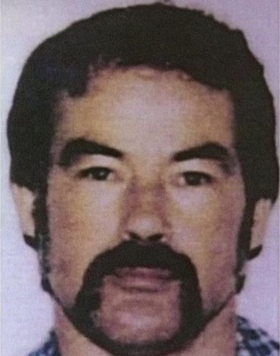
Between 1989 and 1992, Milat abducted, assaulted, and murdered seven people—five foreign backpackers and two Australian tourists—dumping their bodies in Belanglo State Forest. He died in prison in October 2019 after being sentenced to seven consecutive life terms in 1996.
MP Jeremy Buckingham, who chairs the inquiry, stated the volume of submissions suggests a serial killer was operating in New South Wales during the 1970s. He noted the inquiry has received “scores of stories” from community members regarding near-misses or assaults later associated with Milat.
Links to other cold cases in Warilla
The inquiry is examining the 1979 disappearance of 15-year-old Kay Docherty, who vanished from a bus stop on Shellharbour Road in Warilla. Kevin Docherty, Kay’s twin brother, submitted that his family has been “let down” by the police and judiciary system for four decades.
A 2013 inquest found that Kay Docherty and her friend Toni Cavanagh likely died shortly after disappearing, suggesting either Milat or fugitive Graham Potter may have been responsible. Mr. Clark noted the coincidence that Kay disappeared from the same stretch of road where he was picked up years prior.
The probe also covers the 1970 disappearance of Cheryl Grimmer from Wollongong and missing women cases around Sydney and Newcastle. Michael Grimmer is currently challenging a 2019 ruling that excluded a key confession in Cheryl’s case.
What happens next in the inquiry
The parliamentary inquiry is expected to visit Belanglo State Forest on Wednesday. This site visit precedes the first official hearing scheduled for Thursday.

Families appearing before the inquiry will provide evidence under parliamentary privilege. Mr. Buckingham indicated that for many families, the process is likely to be about being heard, even if an immediate resolution isn’t reached.
Frequently Asked Questions
Who is Steven Clark?
Steven Clark is a New South Wales man who submitted to a parliamentary inquiry that he was picked up by Ivan Milat as a teenager in the mid-1970s.
When did Ivan Milat commit his known murders?
Milat abducted and murdered seven people between 1989 and 1992, leaving the bodies in Belanglo State Forest.
Which other cold cases are being examined?
The inquiry is looking into the disappearances of Kay Docherty (1979) and Cheryl Grimmer (1970), as well as other missing persons cases in Sydney and Newcastle.
Do you believe parliamentary inquiries are the most effective way to resolve decades-old cold cases?