
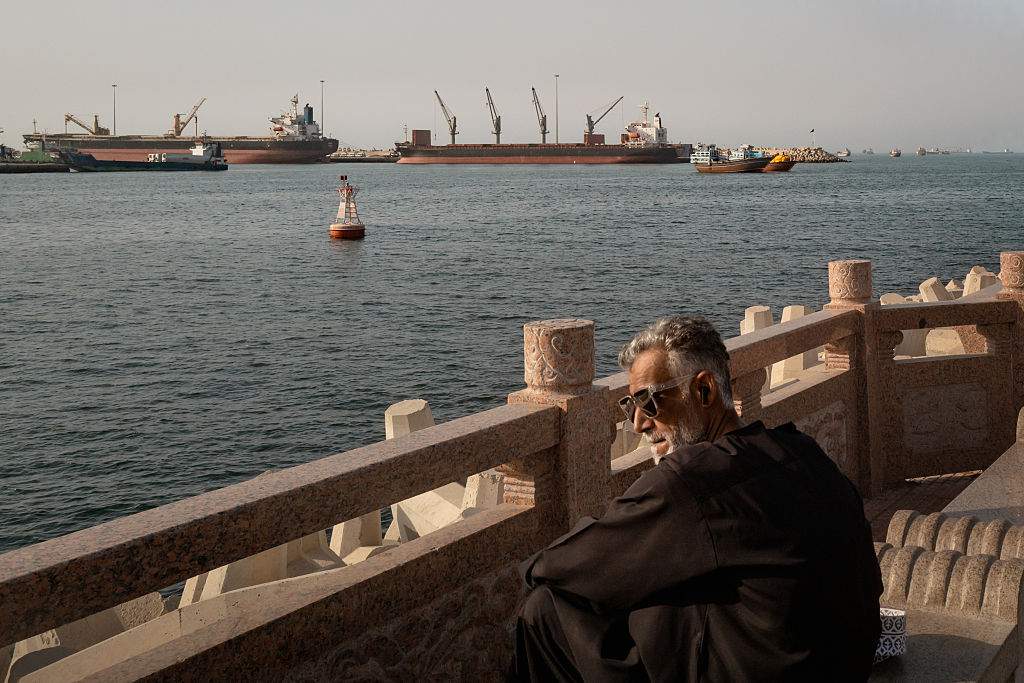
Hormuz ship traffic climbs after war deal: trackers
Shipping traffic through the Strait of Hormuz has surged to its highest level since mid-April following a de-escalation agreement between the United States and Iran. According to tracking firm AXSMarine, 25 commercial vessels transited the waterway on Thursday, more than triple the daily average of seven ships recorded since early March. While the agreement aims to end the regional conflict and stabilize global energy supplies, maritime authorities warn that safety risks persist, including the reported sighting of a sea mine near Oman.
Why is the Strait of Hormuz critical for global trade?
The Strait of Hormuz serves as a primary artery for the global energy market, with a significant percentage of the world’s oil and liquefied natural gas passing through the narrow passage daily. According to the International Maritime Organisation (IMO), approximately 500 commercial vessels and 11,000 seafarers remain impacted by the recent conflict, which effectively paralyzed the route after February 28. The closure of this chokepoint historically triggers immediate volatility in global oil prices and disrupts the supply of essential commodities like fertilizer, as noted by Swissquote senior analyst Ipek Ozkardeskaya.
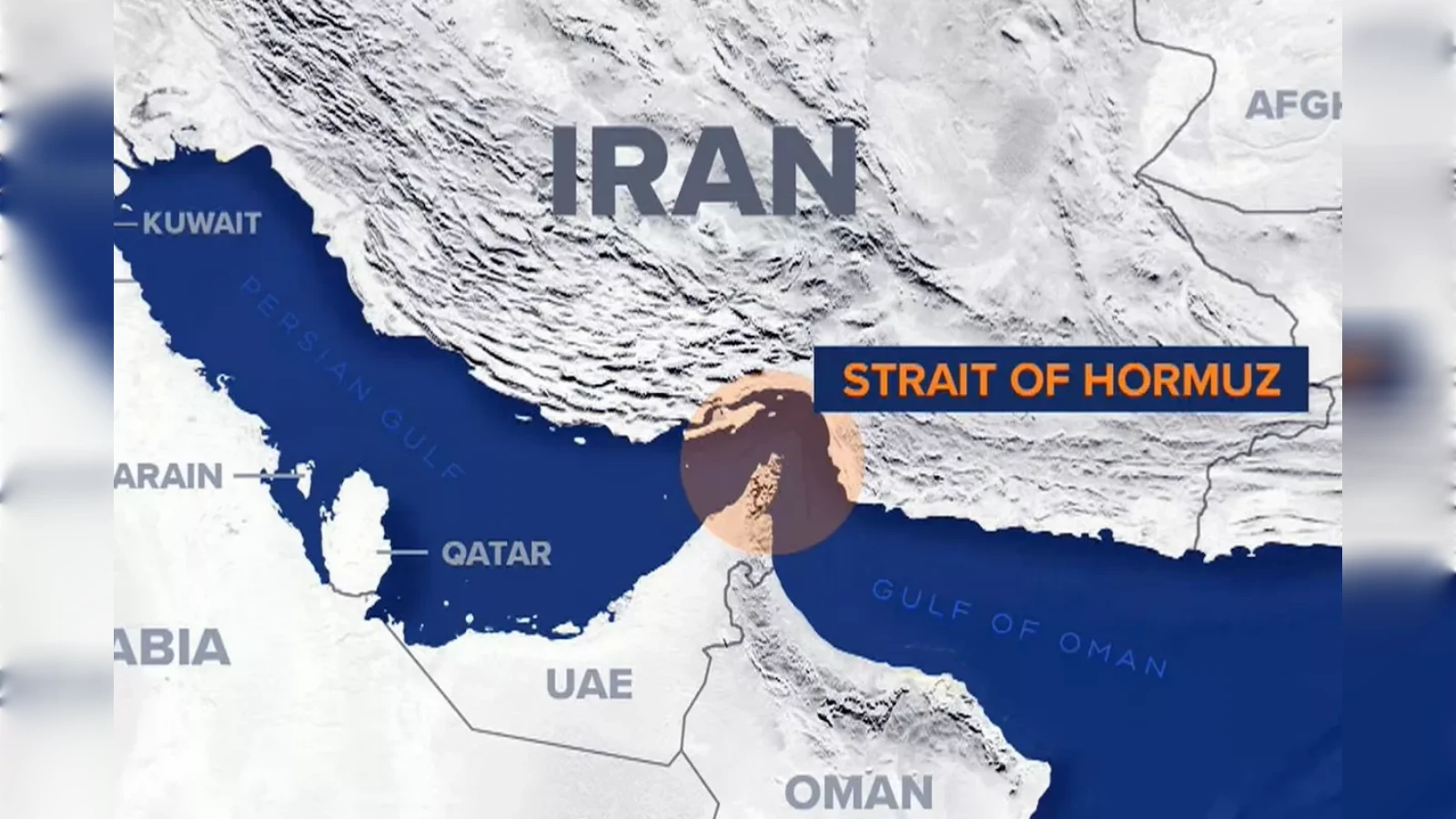
During the peak of the recent maritime blockade, some ship operators resorted to turning off or manipulating their Automatic Identification System (AIS) transponders to evade detection, potentially making the actual count of vessels crossing the strait higher than reported tracking data suggests.
What are the new transit requirements for commercial vessels?
Iran’s Persian Gulf Strait Authority has implemented a new regulatory framework to manage the reopening of the route over a 60-day period. As stated in an official post on X, all vessels intending to transit the strait must submit a formal request 48 hours in advance. To encourage the resumption of trade, Iranian authorities have committed to waiving mandatory tariffs and insurance fees for ships passing through the area during this two-month window.
How are safety risks being managed?
Despite the diplomatic breakthrough, the maritime environment remains hazardous. The Pakistani navy issued an alert on Friday warning of a sea mine sighted off the coast of Oman, urging all transiting vessels to exercise extreme caution. Global shipping groups maintain that the path toward a full, safe reopening remains unclear. While the IMO confirmed in April that it is coordinating a plan to facilitate the safe exit of vessels from the Gulf, the ongoing potential for renewed conflict—despite a reported ceasefire between Israel and Hezbollah—continues to temper industry optimism.
Comparison of Shipping Activity
| Metric | Data Point |
|---|---|
| Daily average (March–June) | ~7 vessels |
| Post-deal transit (Thursday) | 25 vessels |
| Total vessels currently in Gulf | 500+ |
Logistics managers should monitor real-time AIS data and official naval notices from both the Pakistani and Iranian authorities to ensure the most current safety protocols are being followed before scheduling transit.
Frequently Asked Questions
- Is the Strait of Hormuz currently open? Yes, the route has reopened for commercial traffic, though vessels are subject to new 48-hour advance notification rules.
- Are there still safety concerns? Yes. Maritime authorities have warned of unexploded ordnance, specifically sea mines, in the area.
- How has the reopening affected oil prices? According to Swissquote, energy markets have seen relief in the form of falling prices following the announcement of the US-Iran agreement.
Are you monitoring the impact of regional geopolitics on your supply chain? Subscribe to our weekly maritime intelligence newsletter for the latest updates on global shipping lanes.