

How AI is Improving Drug Safety Data for Pregnant Women
Medical data regarding the safety of medications during pregnancy remains critically limited, leaving many expectant mothers without reliable answers about which treatments are safe. New research is now exploring the potential of machine learning to bridge this evidence gap and enhance protections for pregnant women.
A Persistent Gap in Clinical Evidence
The scarcity of scientific data creates a significant challenge for healthcare providers. Over the last decade, only 4% of clinical trials have included pregnant women, a trend rooted in decades of exclusion.
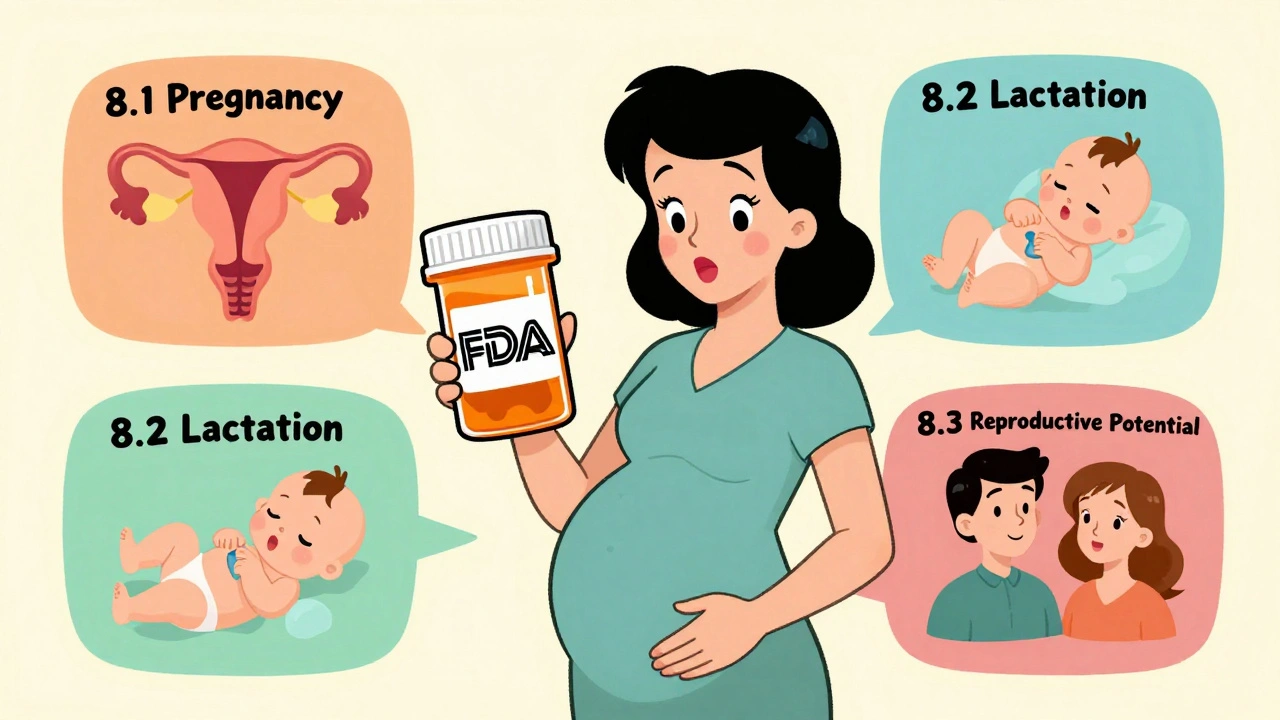
medical professionals often lack the solid evidence required to accurately assess the safety of various medications for women who are pregnant or breastfeeding.
Leveraging Artificial Intelligence for Safety
To address this scientific void, research teams are utilizing artificial intelligence to accelerate the acquisition of knowledge. Two primary initiatives are leading this effort: the BIONIC study and the BOOST-HP project.
The BIONIC study integrates machine learning with causal inference, while BOOST-HP employs a tree-based approach to data exploration. Both aim to automate the analysis of massive datasets regarding drug exposure and potential effects during pregnancy.
By using these tools, researchers may be able to identify links between specific treatments and adverse effects more rapidly than traditional methods allow.
The Necessity of Model Transparency
Researchers emphasize that the transparency of AI models is essential for medical safety. Almut G. Winterstein, the principal researcher for BOOST-HP, highlights the importance of using models that allow the decision-making process to be traced.
This approach is designed to avoid “black box” systems, where the internal logic remains opaque. According to Winterstein, a lack of transparency in these models could lead to the oversight of significant epidemiological errors.
Despite these challenges, the outlook remains positive. With the development of more robust databases and better-designed models, machine learning could improve safety knowledge and help future mothers make more informed medical decisions alongside their physicians.
Frequently Asked Questions
Why is there a lack of data on drug safety for pregnant women?
This gap is largely due to a 1977 FDA recommendation to exclude pregnant women, or those likely to become pregnant, from phase 1 and 2 clinical trials.
What are the BOOST-HP and BIONIC projects?
These are research initiatives using AI to analyze large datasets on drug exposure. BOOST-HP uses a tree-based data exploration approach, while BIONIC combines machine learning with causal inference.
Why is “black box” AI a concern in this research?
Opaque AI models can make it difficult to trace how a conclusion was reached, which researchers warn could result in important epidemiological errors being missed.
How do you think the integration of AI will change the way expectant mothers and doctors approach medication safety?