
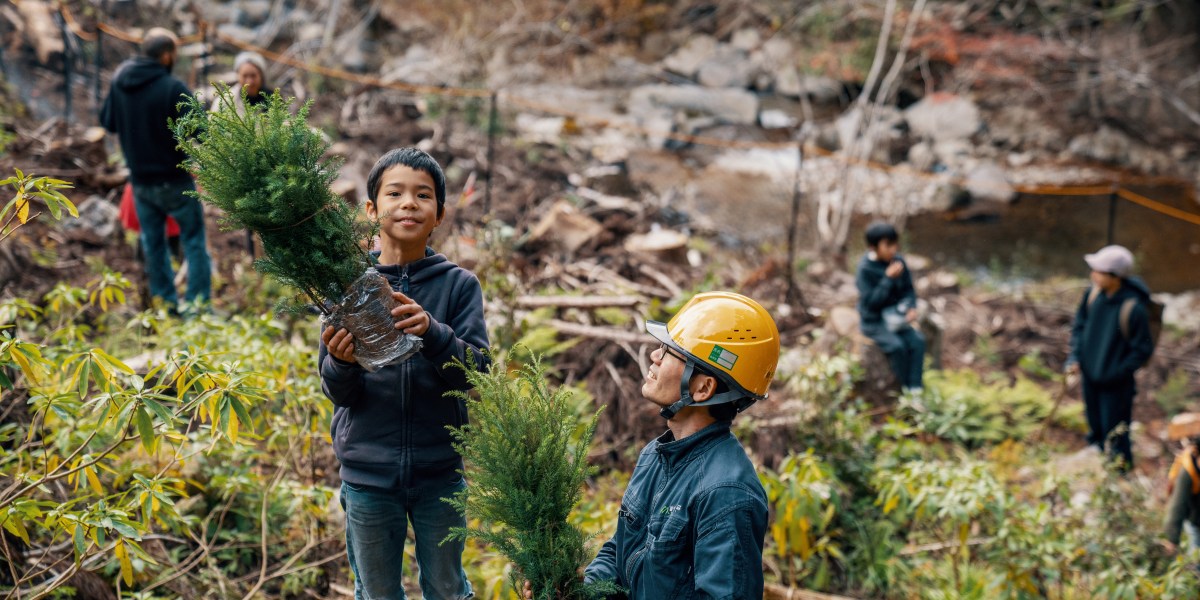
How Asian Philanthropy Is Filling the Global Climate Funding Gap
The Shifting Tide: Why Asian Philanthropy is Taking the Lead on Climate Action
For decades, the blueprint for global climate action was written in the boardrooms of London, New York, and Brussels. The flow of capital was unidirectional: Western grants flowing into the Global South to mitigate environmental disasters. But a critical inflection point has arrived. As Western governments scale back their international aid budgets, a new power center is emerging.
The epicenter of climate philanthropy is shifting toward Asia. This isn’t just a change in geography; it is a fundamental shift in how environmental crises are funded, managed, and solved. With trillions of dollars expected to change hands in a generational wealth transfer, the region is moving from being a recipient of aid to a primary architect of resilience.
The ‘Next-Gen’ Catalyst: From Empathy to Action
Traditional philanthropy in Asia has historically favored “heart-tugging” causes—immediate crises like pediatric health or disaster relief. Climate change, by contrast, often feels like a slow-motion catastrophe, making it a harder sell for traditional donors.
.jpg?sfvrsn=55766584_1 "Asian philanthropy climate summit delegates 2024")
However, the next generation of Asian leaders is changing the narrative. These individuals aren’t just reading reports; they are experiencing the degradation firsthand. Whether it is recreational divers witnessing the bleaching of coral reefs in the Coral Triangle or entrepreneurs seeing the impact of erratic monsoons on supply chains, the connection has become visceral.
This experiential connection is driving a move toward climate adaptation and resilience. Rather than just focusing on carbon footprints, the new guard is investing in the infrastructure needed to survive a warming world. This includes everything from heat-resistant crop varieties to sustainable urban cooling solutions in hyper-dense cities.
The Wealth Transfer Factor
The scale of this shift is backed by staggering numbers. An estimated $5.8 trillion is expected to change hands within Asia by the end of the decade. As this capital moves to younger, more climate-conscious heirs, the “funding gap” for climate projects may begin to close.
Beyond the Grant: The Rise of Philanthropic Risk Capital
One of the most significant trends emerging in Asian green finance is the move away from simple grant-making toward risk capital. The problem with traditional funding is that governments are often too risk-averse to fund unproven technologies, and private investors demand returns that early-stage climate innovations cannot yet guarantee.
This is where philanthropic risk capital steps in. By funding the “unfundable,” philanthropic organizations act as a bridge. They provide the initial capital to prove a concept, which then lowers the risk profile for commercial investors to step in and scale the solution.
A prime example of this “patient capital” approach can be seen in the Tahija Foundation’s decade-long commitment to using Wolbachia bacteria to combat dengue fever. Such projects require a timeframe and a risk appetite that traditional venture capital simply does not possess.
Blended Finance and the End of ‘Western-Centric’ Solutions
The era of the “lone wolf” foundation is ending. We are seeing the rise of strategic alliances, such as the Philanthropy Asia Alliance (PAA) and the Just Energy Transition Community (JETC). These networks allow funders to pool resources and synchronize their efforts, avoiding the duplication of work that often plagues fragmented aid efforts.
More importantly, there is a growing insistence on local context. The realization is simple: you cannot solve a Southeast Asian energy crisis using a playbook written in Northern Europe. Strategic change requires a deep understanding of local land rights, political nuances, and cultural attitudes toward energy.
This shift is encouraging a “Global South for Global South” mentality. We are likely to see increased cooperation between Asia, Africa, and South America—regions that share similar climate vulnerabilities and can exchange homegrown solutions without the filter of Western intermediaries.
Key Future Trends to Watch:
- Hyper-Localism: Funding moving toward community-led conservation rather than top-down mandates.
- Tech-Driven Monitoring: Increased use of autonomous surface vessels and AI-powered acoustic stations to protect biodiversity (as seen in Indonesia’s Savu Sea).
- Nature-Based Solutions (NbS): A pivot toward restoring mangroves and peatlands as natural carbon sinks and storm buffers.
Frequently Asked Questions
Why is climate philanthropy in Asia increasing now?
A combination of a massive generational wealth transfer, the retreat of Western aid (such as cuts to USAID and European budgets), and a more climate-aware generation of leaders is driving this surge.
What is ‘Blended Finance’ in the context of climate change?
Blended finance is the strategic use of development finance and philanthropic funds to mobilize private capital flows to emerging markets, making high-risk climate projects more attractive to private investors.
How does risk capital differ from a traditional grant?
While a grant is a one-way gift, risk capital is intended to fund early-stage, high-risk innovations that can eventually become self-sustaining or attract commercial investment once the proof-of-concept is established.
Why is ‘South-South’ cooperation important for the environment?
Regions in the Global South often face similar challenges (e.g., tropical deforestation, coastal flooding). Sharing solutions directly between these regions ensures that the strategies are culturally and geographically relevant.
What do you think? Will the shift toward Asian-led climate philanthropy be enough to close the global funding gap, or do we still need a stronger commitment from Western superpowers? Share your thoughts in the comments below or subscribe to our newsletter for more insights on the future of green finance.
Explore more about sustainable investment strategies and the impact of climate change on Asian economies on our website.