
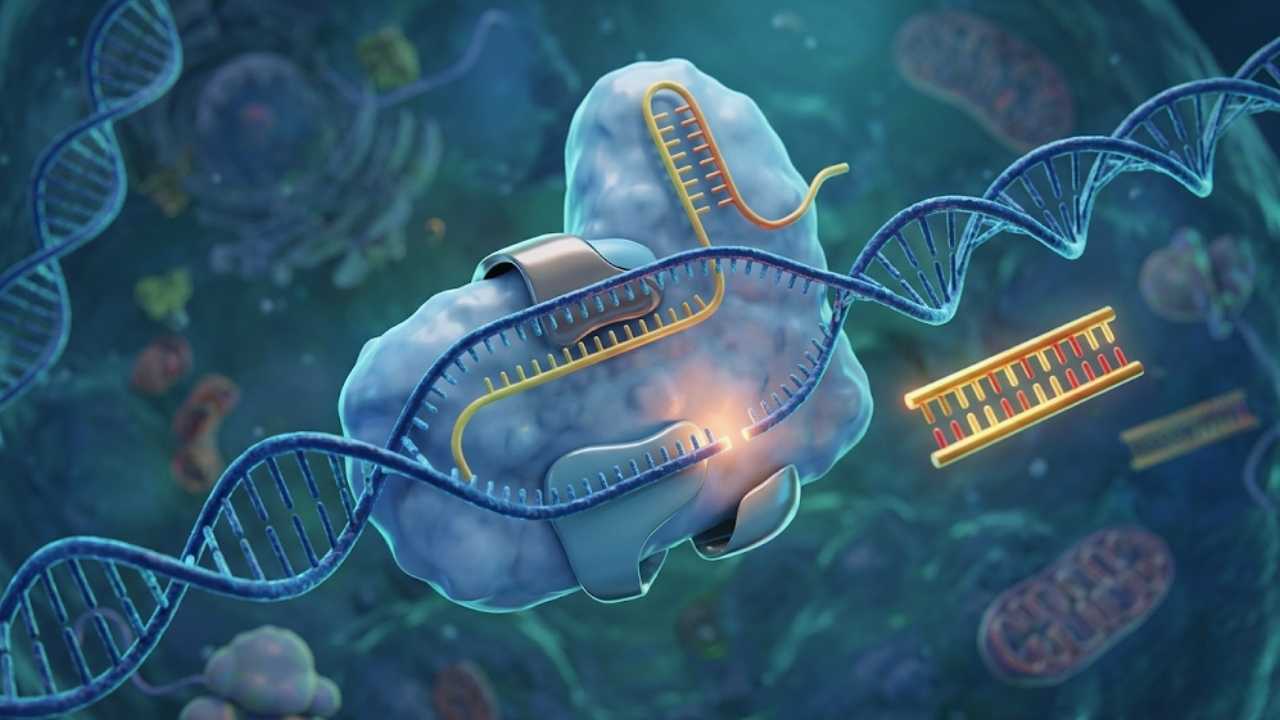
How CRISPR Works: A Complete Guide to Gene Editing
CRISPR gene editing has transitioned from a bacterial immune system discovery to a clinical reality with the approval of Casgevy, a therapy for sickle cell disease and beta thalassemia. According to researchers, the technology is now evolving toward “prime” and “base” editing to increase precision, while expanding into drought-resistant agriculture and malaria-controlling gene drives.
How will CRISPR change human medicine?
The first government-approved CRISPR therapy, Casgevy, treats sickle cell disease by editing a patient’s bone marrow stem cells in a sterile lab before re-infusing them. Patients who previously required constant blood transfusions are now walking away practically cured, according to medical reports.

The next phase of medical application focuses on in vivo editing. Rather than removing cells, scientists are testing injections delivered directly into the bloodstream. These therapies target the liver to permanently lower bad cholesterol levels for patients with cardiovascular diseases.
Oncology is also seeing a shift. Doctors are using CRISPR to upgrade a patient’s own white blood cells. By modifying CAR T cells to better hunt specific cancer types, researchers are treating blood cancers that were previously resistant to standard therapies.
Why are base and prime editing safer than original CRISPR?
Original CRISPR-Cas9 functions like molecular scissors, slicing through both strands of the DNA double helix. This “double-strand break” triggers a cellular panic response. According to bioengineers, this response can lead to chaotic, unintended genetic rearrangements.

Base editing removes this risk by acting as a “pencil with an eraser.” It uses a mutated Cas9 to nick a single strand and chemically convert one DNA letter to another—such as changing a C to a T—without severing the helix.
Prime editing offers even more control, functioning as a biological word processor. It writes new genetic information directly into a target site. Because it avoids the double-strand cut entirely, scientists consider it vastly safer and more accurate than the original scissors method.
| Technique | Action | Risk Level |
|---|---|---|
| Standard CRISPR | Double-strand cut | Higher (Cellular panic) |
| Base Editing | Single letter conversion | Lower |
| Prime Editing | Search and replace | Lowest |
What happens to global food security?
Agricultural scientists are using CRISPR to adjust genes already present in staple crops like wheat, rice, and soybeans. This differs from traditional GMOs, which often inserted DNA from entirely different species. These precise tweaks create crops that survive severe droughts and resist fungal infections.
The goal is to stabilize food supply chains against extreme weather. Researchers have also successfully edited pig DNA to make livestock immune to deadly viral outbreaks, reducing the risk of mass farm losses.
Beyond food, CRISPR is targeting public health crises through “gene drives.” By editing wild mosquitoes to be sterile, scientists can crash the population of insects that carry malaria. In the energy sector, modified algae are being engineered to produce higher levels of lipids for renewable biofuels.
Who can afford these genetic cures?
The financial barrier to CRISPR therapy is steep. The first approved cure for sickle cell disease carries a price tag of over $2 million per patient, according to industry data. This cost stems from the need for individualized treatment and sterile laboratory processing.
Ethicists warn that these costs could create a societal divide where life-saving cures are reserved for the wealthy. While prices are expected to drop as the technology scales, the current gap remains a primary concern for regulators.
A stricter ethical boundary exists regarding “germline editing.” While somatic editing only affects the patient, germline editing alters embryos, sperm, or eggs. According to the global scientific community, this is strictly prohibited because changes are passed to future generations without their consent.
Frequently Asked Questions
Can CRISPR cure all types of cancer?
No. It is not a universal cure, but it is used in immunotherapy to engineer a patient’s immune cells to hunt specific tumors, particularly in blood cancers.
Is CRISPR safe for human use?
Safety has improved with newer tools, but “off-target effects”—where the tool cuts the wrong DNA site—remain a risk that scientists are working to minimize.
How is CRISPR different from traditional GMOs?
Traditional GMOs often introduce foreign DNA from other species. CRISPR typically makes precise edits to the organism’s existing genetic code.
Can I use CRISPR at home?
No. While basic kits for bacteria exist, editing human cells requires millions of dollars in specialized equipment and is dangerous without professional oversight.
Want to stay updated on the future of biotechnology?
Join our newsletter for the latest verified reports on genetic medicine and agricultural breakthroughs.