
How Different Mechanisms of Whole Genome Duplication Affect Cell Survival
Every second, the human body undergoes a massive biological operation as countless cells divide to create new ones. This essential process relies on thousands of molecules working with extreme precision to ensure life continues.
However, this system can break down. Before a cell divides, it must copy its DNA to provide a full genetic blueprint for each new cell. In certain instances, the DNA is copied, but the cell fails to split, resulting in a single cell with twice the normal amount of DNA.
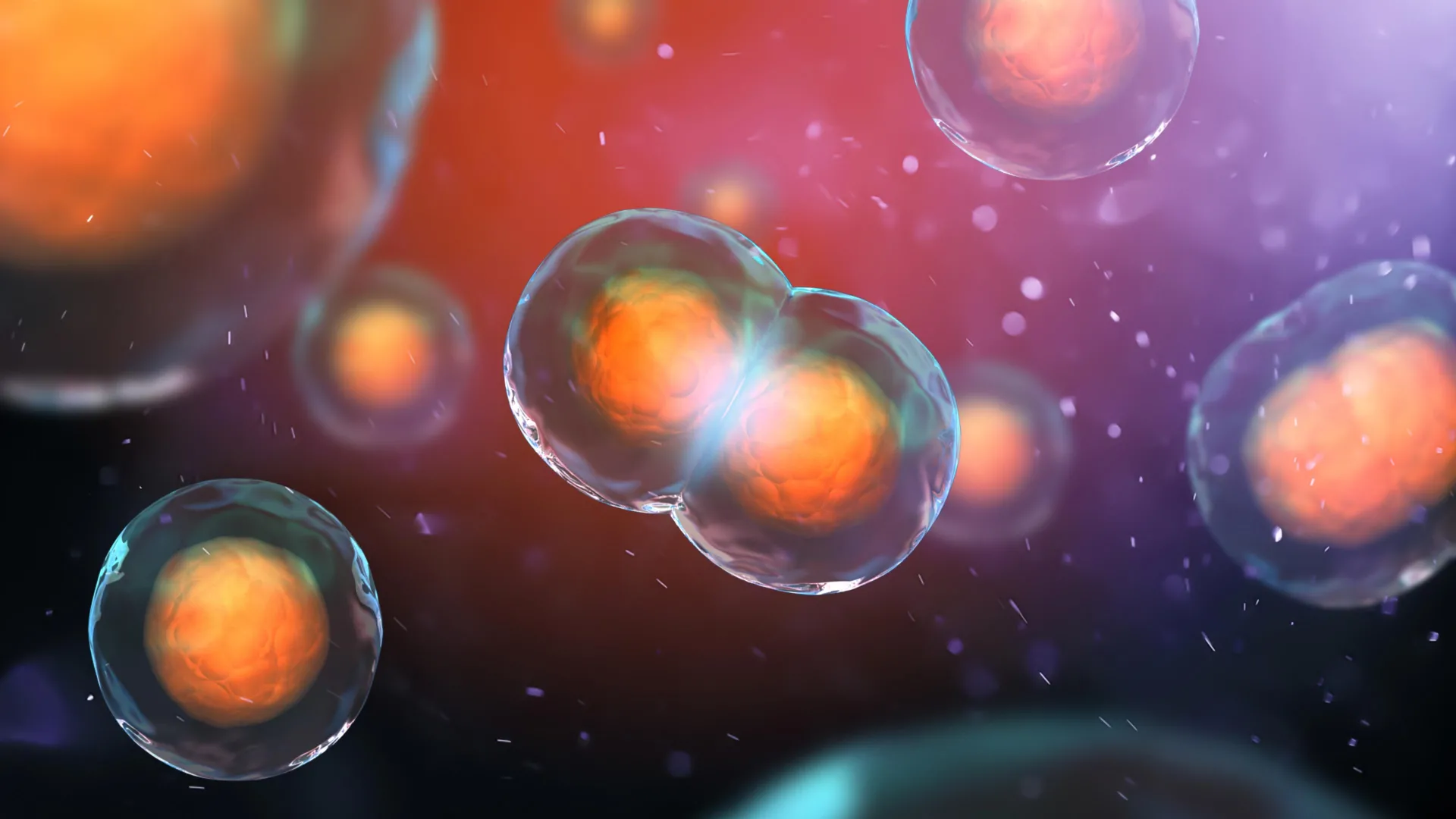
This condition is known as whole genome duplication (WGD). It’s similar to making two photocopies of a document but accidentally placing both copies into the same folder instead of separating them.
Two Distinct Paths to Cellular Failure
Researchers at Hokkaido University recently investigated whether the specific way a cell fails during division alters the eventual outcome. The team focused on two primary causes of whole genome duplication: cytokinesis failure and mitotic slippage.
During cytokinesis failure, the cell completes nearly the entire division process but fails at the final step of physically splitting into two. In contrast, mitotic slippage occurs when a cell exits the division process too early, before its chromosomes are properly separated.
Associate Professor Ryota Uehara, the study’s corresponding author, noted that while WGD occurs through multiple processes, it had been unclear if the specific route affected the resulting cells.
The Role of Chromosome Organization
Using chromosome-specific labelling and live cell imaging, the scientists tracked the behavior of these cells. They discovered that the two mechanisms lead to dramatically different results.
Cells resulting from cytokinesis failure were found to be much more stable and had a higher chance of survival. This is because the chromosome distribution remains more balanced.
Conversely, cells produced through mitotic slippage often exhibited uneven chromosome distribution. This creates a severe genetic imbalance that reduces the cell’s ability to survive.
Implications for Cancer Treatment
These findings may have significant implications for the prevention and treatment of cancer. Whole genome duplication is frequently observed in cancer cells, and some existing cancer therapies can unintentionally trigger the process.

Cells that survive after gaining extra DNA may continue to multiply, which could potentially contribute to the recurrence of tumors.
The research suggests that targeting the processes of chromosome separation could be a possible next step to prevent these abnormal cells from surviving and growing.
According to Uehara, the distinct impacts of different WGD mechanisms have largely been overlooked. By challenging the conventional view, the team found that these differences can influence cell behavior over the long term.
Frequently Asked Questions
What is whole genome duplication (WGD)?
WGD occurs when a cell successfully copies its DNA but fails to split into two separate cells, leaving the resulting single cell with twice the normal amount of genetic material.

How does mitotic slippage differ from cytokinesis failure?
Cytokinesis failure happens when a cell fails at the final physical split after nearly completing division. Mitotic slippage happens when a cell exits the division process too early, before chromosomes are properly separated.
Why is this research important for cancer patients?
Because WGD is common in cancer cells and can be triggered by some therapies, understanding why some DNA-doubled cells survive could lead to treatments that target chromosome separation to prevent tumor recurrence.
How do you think advancements in cellular research will change the future of personalized medicine?