
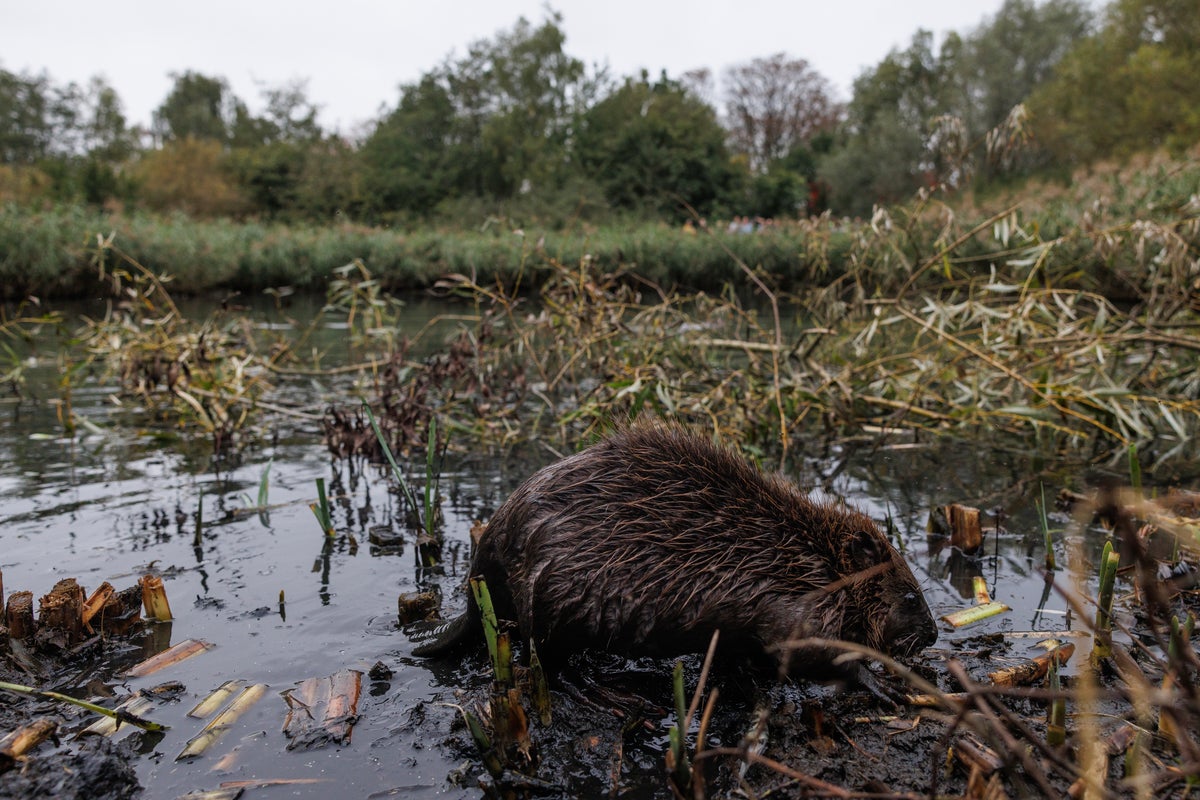
How eight beavers solved a Tube flooding problem engineers have been trying to fix for years
The reintroduction of beavers to Paradise Fields in Ealing has prevented flooding in northwest London for the first time since the 1970s, according to Ealing Council. Introduced in October 2023, the animals created a network of dams that protected residential areas and a local Tube station during record-breaking rainfall.
How did beavers solve the flooding issue in Ealing?
Five beavers were introduced to the site in October 2023 and have since constructed at least five dams. Urban beaver officer Seniz Mustafa stated these dams slowed downstream water flow, transforming the park into a “natural sponge” capable of storing large volumes of water.

The impact was most evident in the community of Greenford. Ms. Mustafa told The Independent that 2024 was the first year the local area did not flood, directly benefiting residents traveling to work, school, and the local Tube station.
Why is this nature-based approach more effective than traditional engineering?
Ealing Council previously attempted to stop flooding through large-scale, expensive interventions. These efforts included straightening and concreting the Brent River channel, but the council reported that these methods failed to solve the problem.
Dominic Moffitt, Ealing Council’s cabinet member for climate action, stated that this project demonstrates how working with nature can improve resilience against climate change. He described the beavers as a natural solution that complements traditional flood management while improving biodiversity.
David Attenborough, featuring the animals in his Wild London BBC documentary, noted that residential areas downstream have been flood-free for the first time in a decade because the wetland can now retain more water.
What are the environmental and economic implications?
Beyond flood mitigation, the beavers’ activity has improved water quality and allowed sunlight to reach the brook by felling trees. This has led to the return of fish and the development of complex food webs supporting amphibians, birds, bats, and insects.
Mayor Sadiq Khan championed the project and expressed satisfaction that the results proved critics wrong. A spokesperson for the mayor stated that beavers play an important role in supporting local habitats and the overall functioning of London.
What may happen next for London’s beaver projects?
The success in Ealing may lead to further expansions of nature-based flood management across the city. A similar project was established in Enfield in 2023.

Following the results in Paradise Fields, Croydon Council is considering its own beaver project, which the council hopes could arrive in 2028. The beaver population in Ealing is also likely to grow, as Ms. Mustafa suspects the mother beaver, Willow, has had more kits beyond the eight currently identified.
Frequently Asked Questions
When were the beavers introduced to Paradise Fields?
The beavers were introduced to the site in October 2023.
How many beavers currently live in the park?
There are at least eight beavers living in the park, though officials suspect more kits may have been born.
Which specific infrastructure was protected from flooding?
The Central line station and the surrounding residential areas in Greenford remained dry during recent record-breaking rainfall.
Do you believe nature-based solutions should replace traditional concrete infrastructure in urban flood management?