
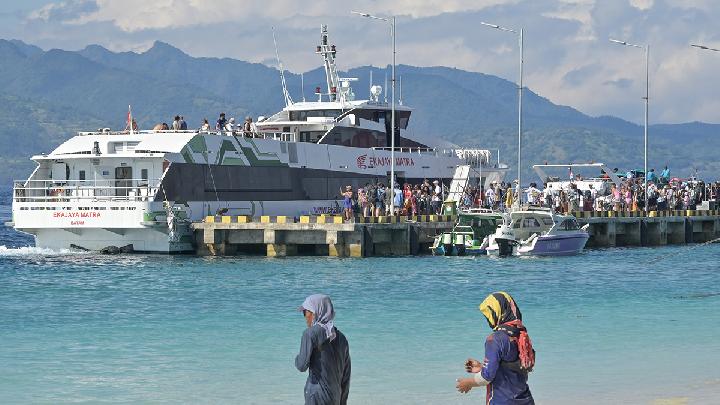
How Indonesia and Saudi Arabia Aim to Boost Tourism Ties
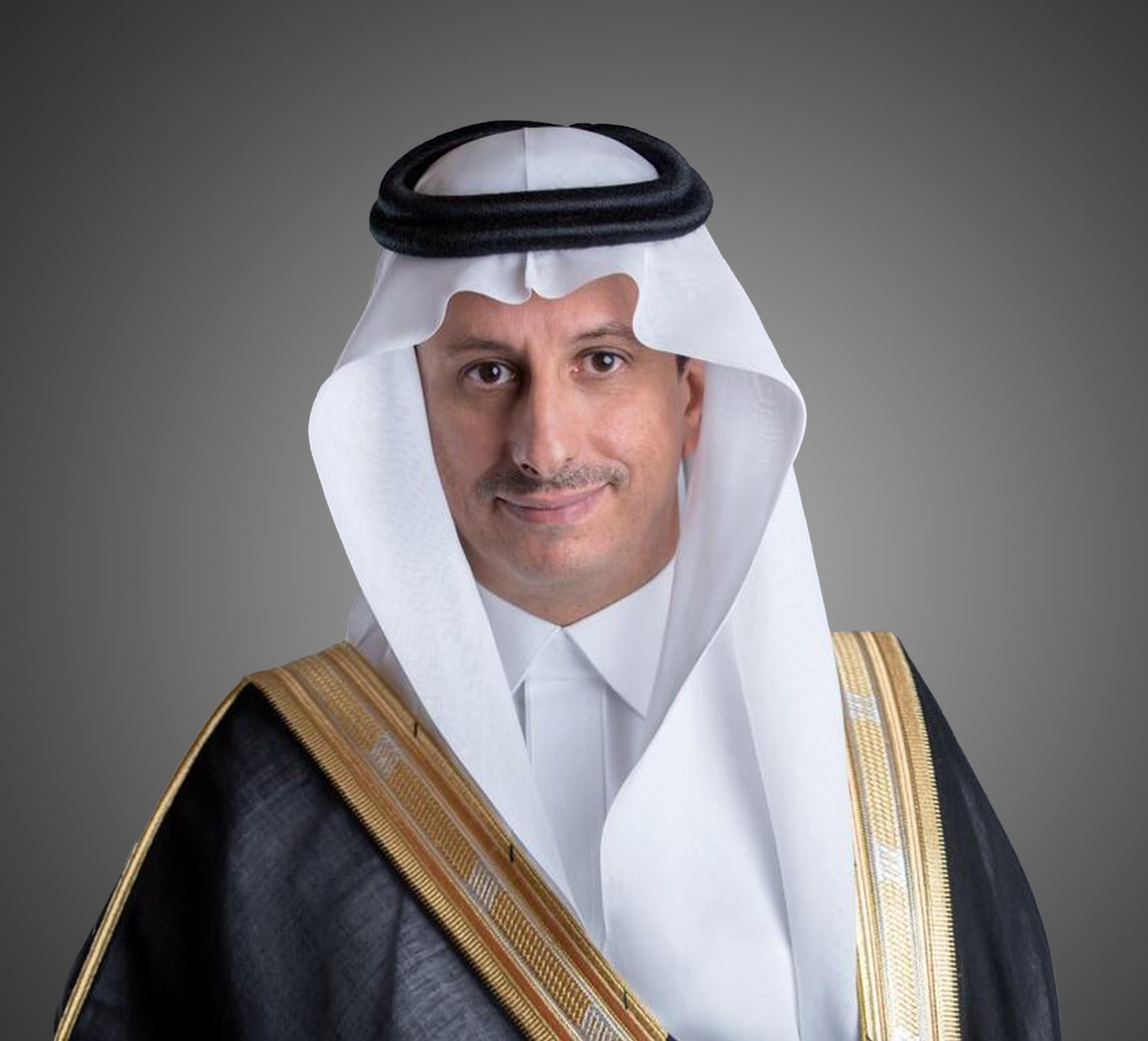
Indonesia and Saudi Arabia are deepening their bilateral tourism partnership to diversify travel beyond traditional religious pilgrimages. During the 126th UN Tourism Executive Board session in Spain, Indonesian Tourism Minister Widiyanti Putri Wardhana and Saudi Tourism Minister Ahmed Al-Khateeb confirmed plans to expand recreational tourism, enhance visitor experiences, and establish specialized training centers for hospitality workers to better serve Middle Eastern travelers.
How will the partnership change the visitor experience?
The two nations are moving to integrate recreational travel into existing pilgrimage routes. According to Minister Al-Khateeb, Saudi authorities are coordinating with the Ministry of Hajj and Umrah to encourage visitors to explore cultural and heritage sites outside of Mecca and Medina. This shift aims to transition the Saudi tourism model from strictly religious travel to a broader leisure market. For Indonesian travelers, this means more structured access to the Kingdom’s emerging entertainment and historical sectors.
The partnership includes the creation of an Arab and Hospitality Center at the Lombok Tourism Polytechnic. This facility is specifically designed to train Indonesian staff in the cultural nuances and service standards required to accommodate high-end tourism from the Arab world.
Why is Indonesia focusing on the Middle Eastern market?
Indonesia is positioning itself to capture a larger share of the outbound Saudi tourism market by focusing on professional service standards. Minister Widiyanti stated that the cooperation is built on “mutual respect and shared benefit.” By establishing specialized training in Central Lombok, Indonesia aims to remove language and cultural barriers that often hinder tourism growth. This infrastructure investment serves as a prerequisite for attracting long-stay, high-spending visitors who prioritize culturally sensitive hospitality.
What are the long-term goals for this cooperation?
Both nations are leveraging their status as active members of the UN Tourism Executive Board to advocate for sustainable and inclusive tourism. While the current memorandum of understanding focuses on increasing visitor volume, the underlying objective is to build a resilient tourism corridor. By aligning their policies, Indonesia and Saudi Arabia hope to create a predictable environment for businesses and investors. This regulatory alignment is intended to ensure that tourism remains a stable economic pillar for both countries despite shifts in global travel trends.
Comparison: Religious vs. Recreational Tourism Growth
| Category | Current Focus | Strategic Shift |
|---|---|---|
| Religious Travel | High volume, fixed routes | Enhanced pilgrim experience |
| Recreational Travel | Developing | Diversified cultural offerings |
Travelers interested in emerging destinations should keep an eye on the Lombok Tourism Polytechnic’s curriculum updates. As these programs scale, they will likely influence the quality of luxury tourism services across the entire Indonesian archipelago.
Frequently Asked Questions
What is the main goal of the Indonesia-Saudi Arabia tourism meeting?
The primary goal is to increase bilateral tourism volume by expanding beyond traditional pilgrimage travel into recreational and cultural tourism.
Where will the new hospitality training center be located?
The Arab and Hospitality Center is planned for the Lombok Tourism Polytechnic in Central Lombok, West Nusa Tenggara.
How does this partnership affect Saudi pilgrims visiting Indonesia?
The initiative aims to make Indonesia more accessible and welcoming to Saudi tourists through specialized staff training and improved cultural accommodation.
Are you planning a trip to the Middle East or Indonesia soon? Let us know in the comments which cultural sites you are most interested in visiting, or sign up for our newsletter to stay updated on new travel corridors and tourism policies.