
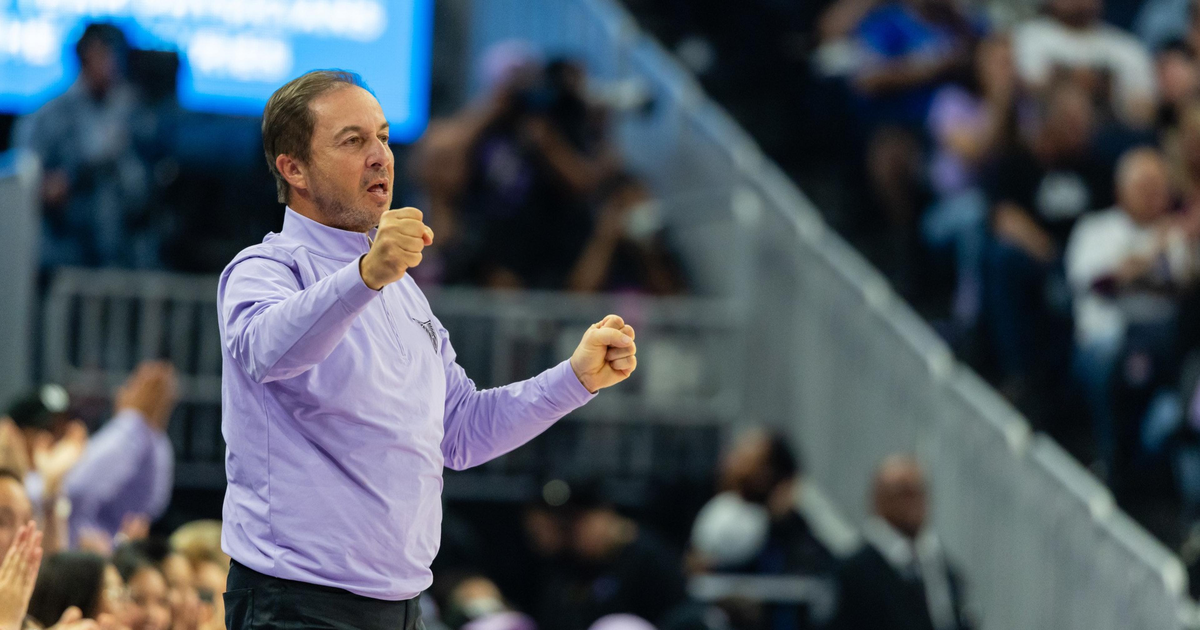
How Joe Lacob’s $50 million bet changed the WNBA forever
Golden State Warriors owner Joe Lacob has transformed the Golden State Valkyries into the first billion-dollar franchise in women’s sports history, signaling a fundamental shift in the economic viability of the WNBA. The Valkyries, established in 2023 with a $50 million expansion fee, have set a new professional standard through purpose-built facilities, dedicated staffing, and consistent sellouts at the Chase Center, forcing a league-wide recalibration of ownership expectations.
Did You Know? Before the Golden State Valkyries were established, the record-setting expansion fee for a WNBA team was significantly lower; in 2020, the New York Liberty franchise changed hands for just $10 million.
The Evolution of WNBA Investment
The rise of the Valkyries mirrors a broader surge in WNBA valuation. According to Sportico, the average WNBA team is now worth $427 million, a 435% increase from the start of the 2024 season. Nola Agha, a professor of sport management at the University of San Francisco, notes that this growth is driven by ownership groups willing to invest responsibly in infrastructure, such as full-time private charter services, which the league began funding with a $50 million investment in 2024.

This financial momentum follows the league’s 2024 media rights deal, which grew from an initial $2.2 billion agreement to $3.1 billion following partnerships with Amazon, Disney, and NBCUniversal. As noted by David Berri, a professor of economics at Southern Utah University, the league’s past growth was hindered by an overly cautious approach to expansion, but current market demand is now rapidly closing that gap.
Infrastructure as a Competitive Advantage
The Valkyries have redefined the operational blueprint for WNBA franchises by prioritizing exclusive facilities. While teams like the Las Vegas Aces led the way in 2023 by building their own practice centers, the Valkyries furthered this by renovating a dedicated space at the Oakland Marriott and carving out a specialized locker room within the Chase Center before their first roster was even signed.
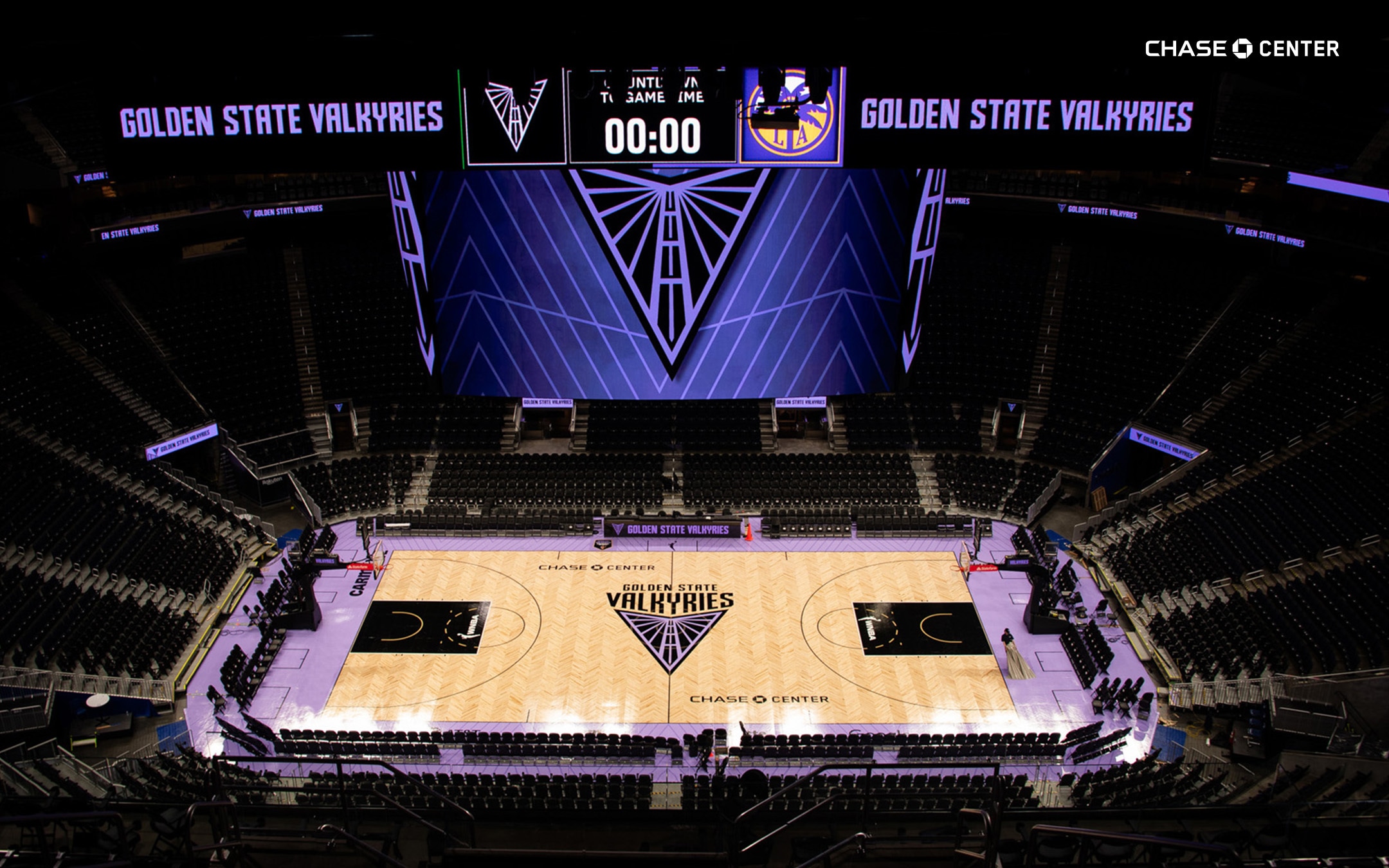
This trend toward team-specific training facilities is now universal across incoming franchises. The Portland Fire, Toronto Tempo, and future expansion teams in Cleveland, Detroit, and Philadelphia are all developing independent training sites. This stands in stark contrast to the 2008 era, when the Atlanta Dream entered a league where six teams had folded within the previous eight years.
Future Outlook for the League
While the Valkyries currently command a billion-dollar valuation, team president Jess Smith and owner Joe Lacob suggest that figure could climb to $2 billion or $3 billion as the league continues to mature. The immediate future of the WNBA is likely to be defined by this arms race in facilities and professional standards.

As the league expands to include more teams by 2030, analysts expect the current competitive pressure to force existing franchises to either increase their capital investment or risk losing top-tier free agents. The market has shifted from a period where owners questioned the viability of the league to one where prominent figures, such as Houston Rockets owner Tilman Fertitta, are actively pursuing franchise acquisitions.
Frequently Asked Questions
What was the expansion fee for the Golden State Valkyries?
The Valkyries paid a record-setting $50 million expansion fee when they joined the league in 2023.
How have player salaries changed in the WNBA?
The league’s standards have evolved, with the minimum salary rising to $270,000 for the current season, up from $66,079 in 2024.
How many fans have the Valkyries attracted?
The Valkyries have achieved a sellout streak of 18,000 fans for 30 consecutive games at the Chase Center and currently maintain a season-ticket waitlist after capping deposits at 12,000.
How will the continued expansion of the WNBA affect the competitive balance between established teams and new franchises?