
Trump Iran Peace Deal: Bitcoin, Gold, and Oil Market Reaction
Donald Trump announced a peace deal with Iran is complete, with an official signing scheduled for June 19 in Switzerland. According to Trump via Truth Social, the agreement ends military operations in Lebanon and tensions in the Strait of Hormuz, triggering immediate price drops in oil and shifts in gold and Bitcoin markets.
How the Iran Peace Deal Affects Global Markets
Oil prices saw the most significant reaction. WTI crude traded at $81 per barrel, falling 4.57% in 24 hours, while Brent crude dropped 3.64% to $84.15, according to market data. Investors are anticipating a gradual recovery of Iranian exports and stabilization in the Strait of Hormuz.

Bitcoin climbed to approximately $65,300, a rise of roughly 1.26%. Analysts suggest a lasting peace could reduce risk aversion and shift capital toward speculative assets, potentially helping the cryptocurrency break out of its $63,000 to $65,000 consolidation range.
Spot gold traded around $4,300 with a 1.87% intraday rebound based on TradingView data. Despite this, the metal has declined nearly 7% over the last month as the geopolitical risk premium fades. Analysts identify key technical supports between $4,100 and $4,200.
What are the terms of the agreement?
The pact focuses on ending military operations across all fronts, including Lebanon. Trump described the deal as a triumph of his “Art of the Deal” approach and stated, “I hereby fully authorize the toll free opening of the Strait of Hormuz… let the oil flow.”
The agreement includes verification mechanisms and the partial lifting of sanctions. It also establishes a clear calendar for technical negotiations regarding Iran’s nuclear program.
Pakistani Prime Minister Shehbaz Sharif noted that mediators will facilitate meetings this week to lay the foundation for the official signing. He confirmed that both sides declared the permanent termination of military operations.
What happens next for the U.S. and Iran?
Economists project that successful implementation could stabilize energy prices and help control global inflation. These factors may support economic growth through 2026 and 2027.
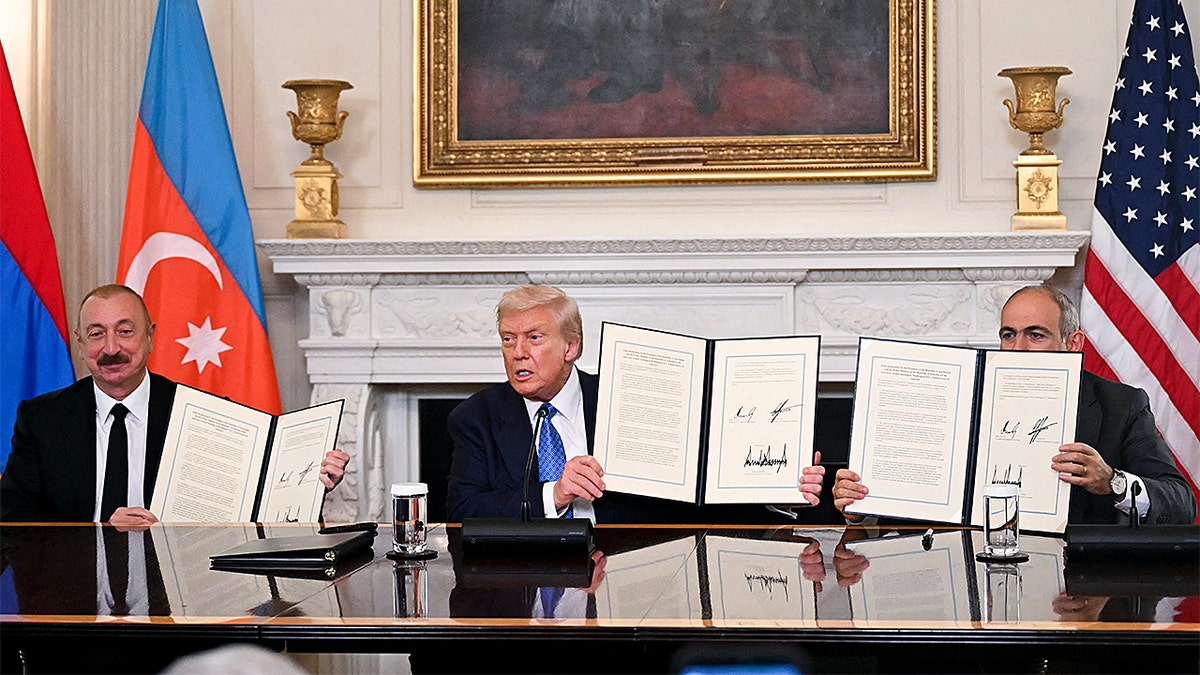
Israel is not a direct party to the deal and has expressed reservations. However, the cease-fire explicitly covers Hezbollah in Lebanon.
The stability of the agreement may depend on strict verification and compliance. Market observers are watching the June 19 signing in Switzerland to see if the deal holds or if the current market movement is a temporary diplomatic pause.
Frequently Asked Questions
When will the Iran peace deal be officially signed?
The official signing ceremony is scheduled for Friday, June 19, in Switzerland.
Which countries mediated the agreement?
The deal was mediated by Pakistan, with support from Qatar, Saudi Arabia, and Turkey.
How did oil prices react to the news?
WTI crude fell 4.57% to $81 per barrel, and Brent crude dropped 3.64% to $84.15.
Do you believe the removal of the geopolitical risk premium will lead to a long-term bull market for speculative assets?