
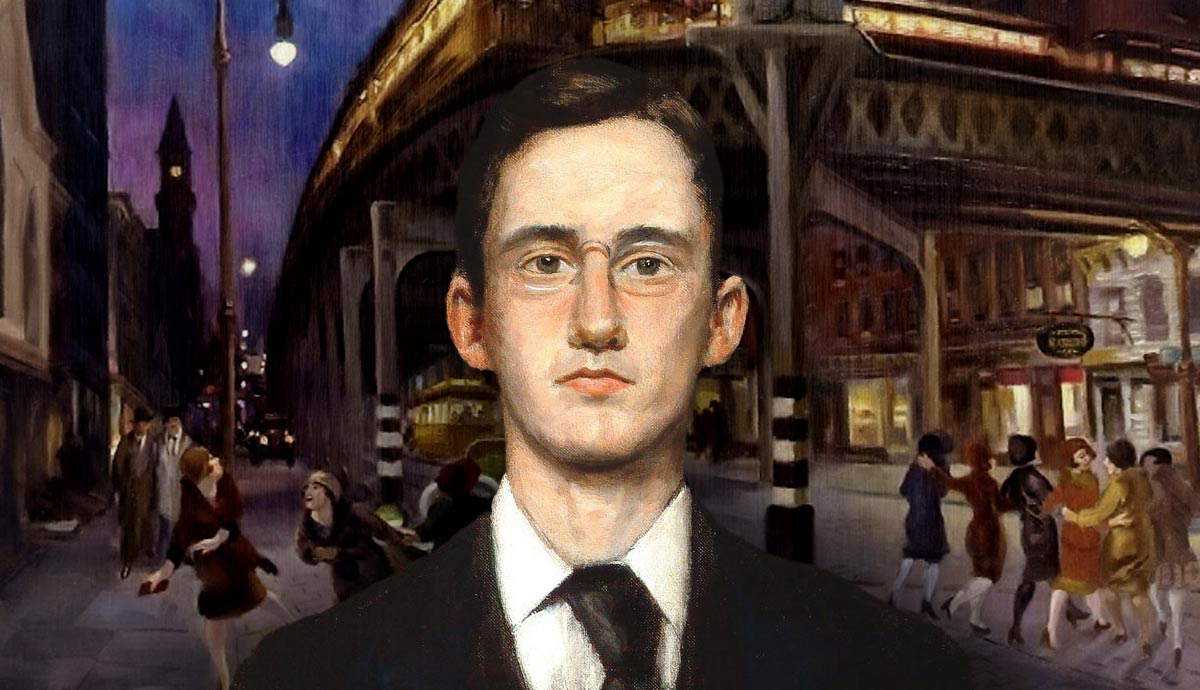
How John Sloan Painted New York As It Really Was
John Sloan, a defining figure of the Ashcan School, transformed American art by turning his gaze away from idealized subjects and toward the raw, pulsing reality of New York City. A former newspaper illustrator, Sloan harnessed his ability to sketch quickly on the street to capture the lives of laborers, immigrants, and the urban working class with an evenhanded, realistic touch.
Did You Know? McSorley’s Old Ale House, a frequent subject of Sloan’s work, remained open during Prohibition by selling “near beer” and has been in continuous operation since 1854.
The Birth of the Ashcan Aesthetic
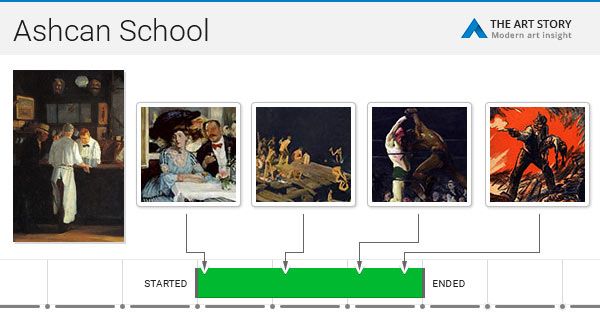
The Ashcan School emerged from a desire to depict the grittiness of urban life without the filter of moralizing sentimentality. Named by critic Art Young, who criticized the artists for their focus on “ash cans” and the mundane realities of the city, the movement included members of “The Eight,” such as Robert Henri, George Luks, and William Glackens. These painters treated the city as a living character, documenting everything from crowded tenements and bustling avenues to the quiet, private moments of residents on rooftops.
Capturing the Modern Metropolis
Sloan’s work often focused on the “noble commonplace,” finding beauty in the everyday rhythms of the city. Whether documenting the raucous energy of an election night in Herald Square or the quiet camaraderie of women drying their hair on a roof, Sloan sought to portray the complexity of turn-of-the-century life.

Expert Insight: The significance of Sloan’s work lies in his refusal to romanticize poverty or judge his subjects. By elevating the “noble commonplace” to the level of fine art, he challenged the aesthetic standards of his time, effectively documenting the social fabric and the evolving public spaces of a rapidly changing New York.
Legacy and Future Perspectives
Sloan’s career spanned from his early days as a freelance artist in Philadelphia to his later years as an instructor and president of the Society of Independent Artists. His transition from the gritty “ashcan” style to the more vibrant, jazz-influenced scenes of the 1920s mirrors the shifting cultural landscape of the era. As modern scholars continue to analyse his work, it is likely that his paintings will remain primary documents for understanding the nature of urban development and social interaction in the early 20th century.
A possible next step for historians and art enthusiasts is to further examine how Sloan’s “slapdash and robust” perspective influenced subsequent generations of street photographers and realist painters. Analysts expect that as digital archives grow, the “human incidents” Sloan captured in his diaries and sketches may continue to offer new insights into the specific social dynamics of Greenwich Village and the broader American urban experience.
Frequently Asked Questions
What was the Ashcan School of Art?
The Ashcan School was a group of artists, including John Sloan and Robert Henri, who focused on the realistic and gritty aspects of urban life in New York City, intentionally avoiding aesthetic appeal or moralizing themes.
Why did John Sloan paint scenes like McSorley’s Bar or rooftop gatherings?
Sloan believed that an artist should paint the things they know. He was fascinated by the hustle and bustle of city life and sought to faithfully render the everyday leisure and struggles of ordinary people, from laborers to immigrant women.
How did Sloan’s background in newspaper illustration influence his art?
His time as an illustrator taught him to memorize characteristic details and sketch quickly while roaming the streets, a skill he later applied to his impressionistic paintings of city life.
Which aspect of Sloan’s realistic depiction of New York City do you find most resonates with the way we view urban life today?