
How Many Types Of Pythons Are There?
The Future of the Pythonidae: Conservation and Shifts in the Reptile World
The world of pythons is undergoing a quiet but significant transformation. As our understanding of genetics and taxonomy evolves, so too does our approach to managing these powerful constrictors. From the reclassification of giants like the reticulated python to the conservation battles facing the iconic ball python, the future of the family Pythonidae is a complex mix of scientific discovery and human-led environmental impact.
The Taxonomic Revolution: Why Names Matter
For decades, many of us grew up identifying the reticulated python as a true member of the genus Python. However, the 2014 phylogenetic shift that moved both the reticulated and Timor pythons into the genus Malayopython serves as a reminder that science is never “settled.”
This trend toward genetic precision is likely to continue. As DNA sequencing becomes more accessible, we may see further splits in species currently lumped together. For conservationists, this is vital. if a population is found to be a distinct species rather than a subspecies, it may suddenly qualify for different legal protections or urgent funding.
The Double-Edged Sword of the Pet Trade
The ball python (Python regius) is a paradox. It remains one of the most popular pets globally, yet it has been reassessed as Near Threatened by the IUCN Red List. The future of this species—and others like the Burmese python—hinges on the balance between captive breeding and habitat preservation.
In the coming years, we expect to see stricter regulations on the international trade of wild-caught specimens. Consumers are increasingly demanding “captive-bred” certification, which reduces the pressure on wild populations. Supporting breeders who prioritize ethical husbandry is not just a hobbyist’s preference; It’s a critical conservation strategy.
The Invasive Species Crisis: A Florida Case Study
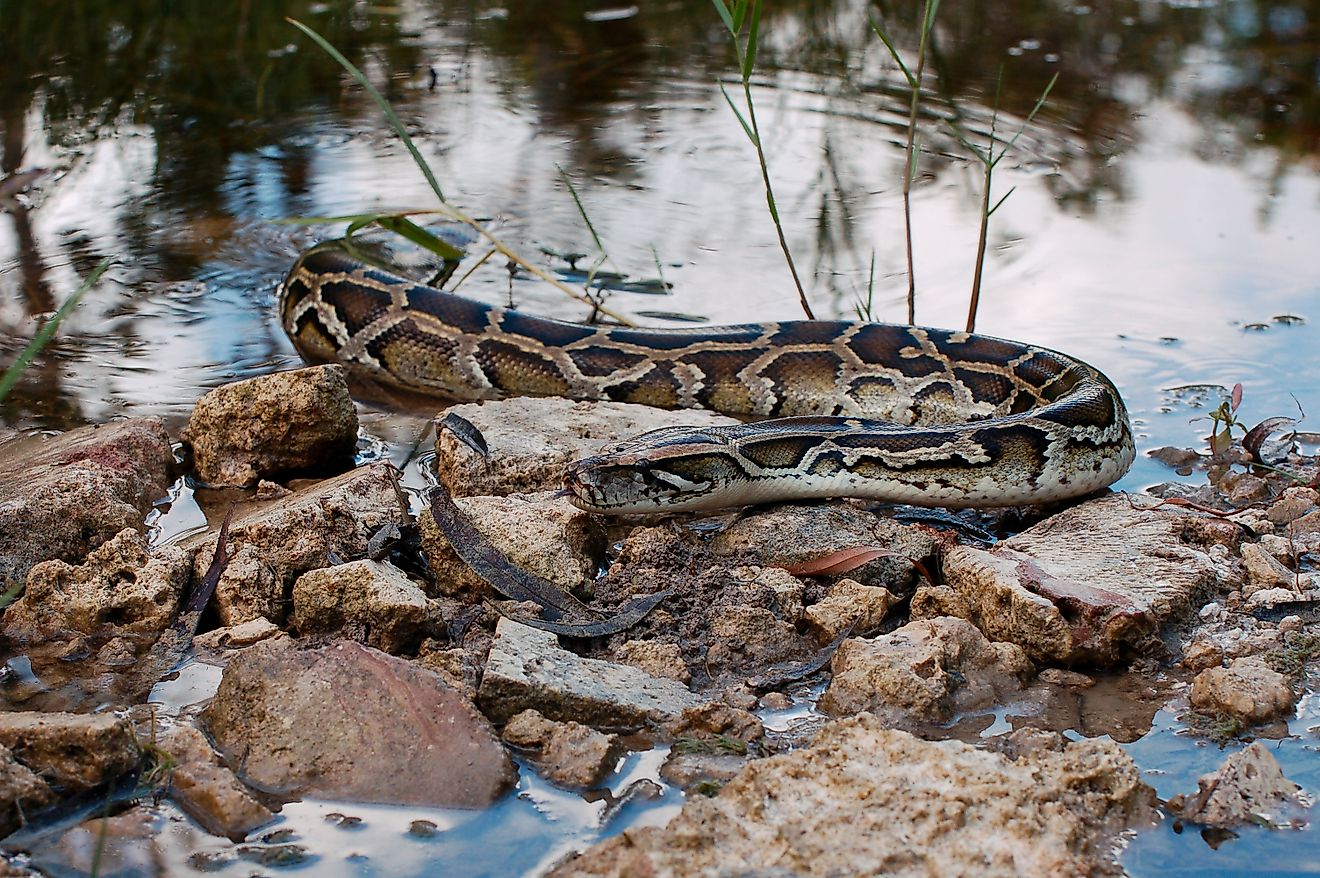
Perhaps the most pressing issue in the python world is the establishment of the Burmese python in the Florida Everglades. This is a “worst-case scenario” for biodiversity. As these snakes continue to expand their range, researchers are looking into biological controls and advanced tracking technology to mitigate the damage.
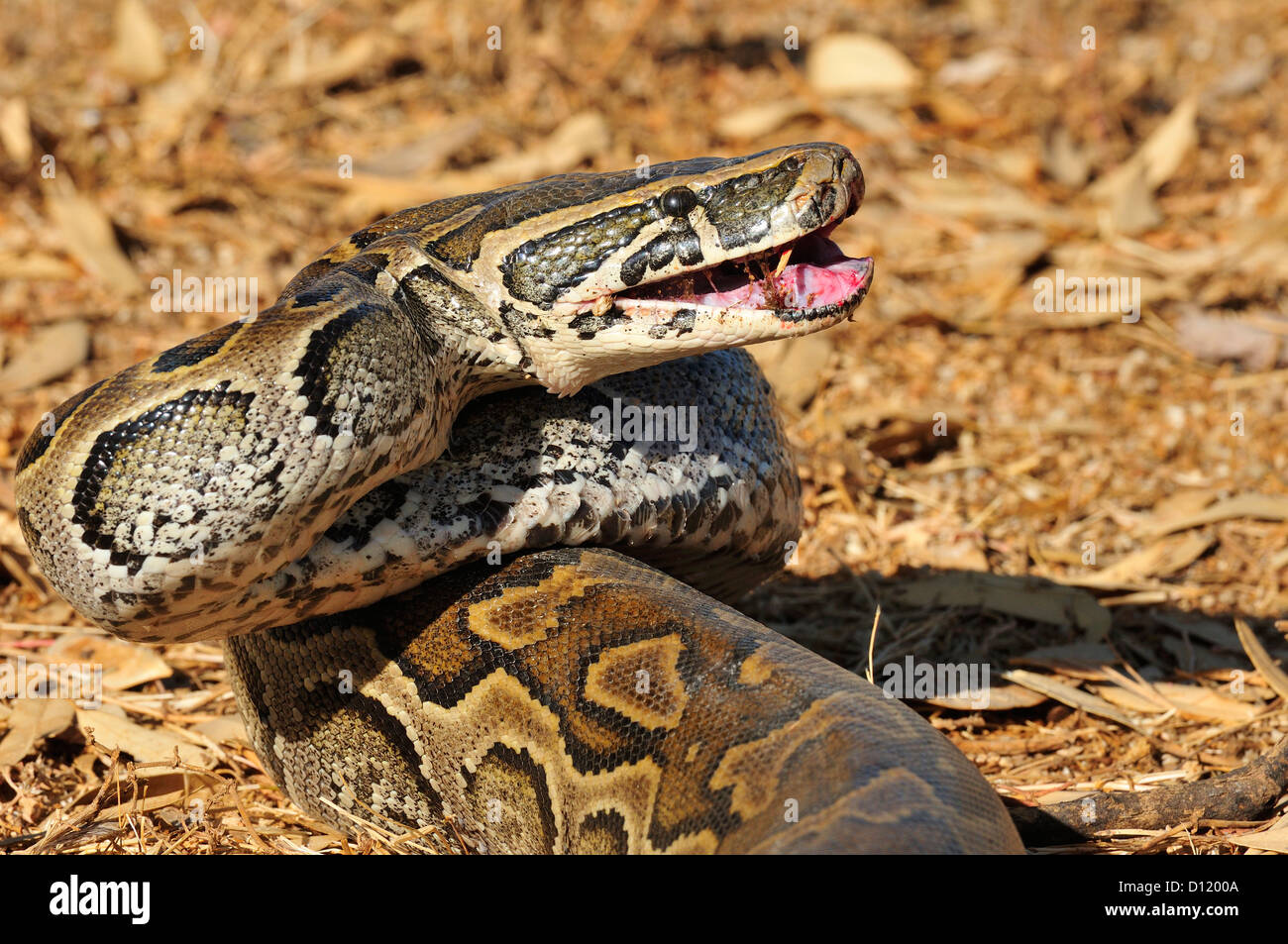
The future trend here is clear: aggressive management. We are moving toward a reliance on AI-driven tracking, environmental DNA (eDNA) sampling in waterways, and public-private partnerships to curb the spread of non-native constrictors in sensitive ecosystems.
Pro Tips for Responsible Reptile Ownership
- Research the Source: Always ask for proof of captive breeding. Avoid wild-caught animals to ensure you aren’t contributing to the decline of species in their native range.
- Plan for the Long Haul: Many pythons live for decades. A ball python can live over 40 years; ensure you are prepared for a lifetime commitment.
- Habitat Matters: Mimicry is key. Whether it’s the humidity-loving blood python or the rock-dwelling Angolan python, providing the right environmental parameters is the secret to a healthy animal.
Frequently Asked Questions
Are all pythons dangerous to humans?
No. While large species like the reticulated and African rock pythons are capable of causing injury, documented attacks on humans are extremely rare. Most pythons are shy and prefer to avoid human contact.

Why are Burmese pythons a problem in Florida?
They are an invasive species with no natural predators in the Everglades. They reproduce rapidly and have decimated local mammal populations, throwing the ecosystem out of balance.
What is the difference between a “true” python and other constrictors?
True pythons belong to the genus Python. They are distinguished from other constrictors by specific anatomical features, including their skull structure and the presence of heat-sensing pits along their lips.
Can I help with python conservation?
Yes. You can support organizations that focus on habitat preservation in Africa and Southeast Asia, and always advocate for ethical, sustainable practices in the pet trade.
What are your thoughts on the future of these incredible reptiles? Are you a keeper, a researcher, or just an admirer of these silent hunters? Share your experiences in the comments below or subscribe to our newsletter for the latest updates on wildlife science and conservation trends.