
How Referees Use Semi-Automated Offside in World Cup 2026
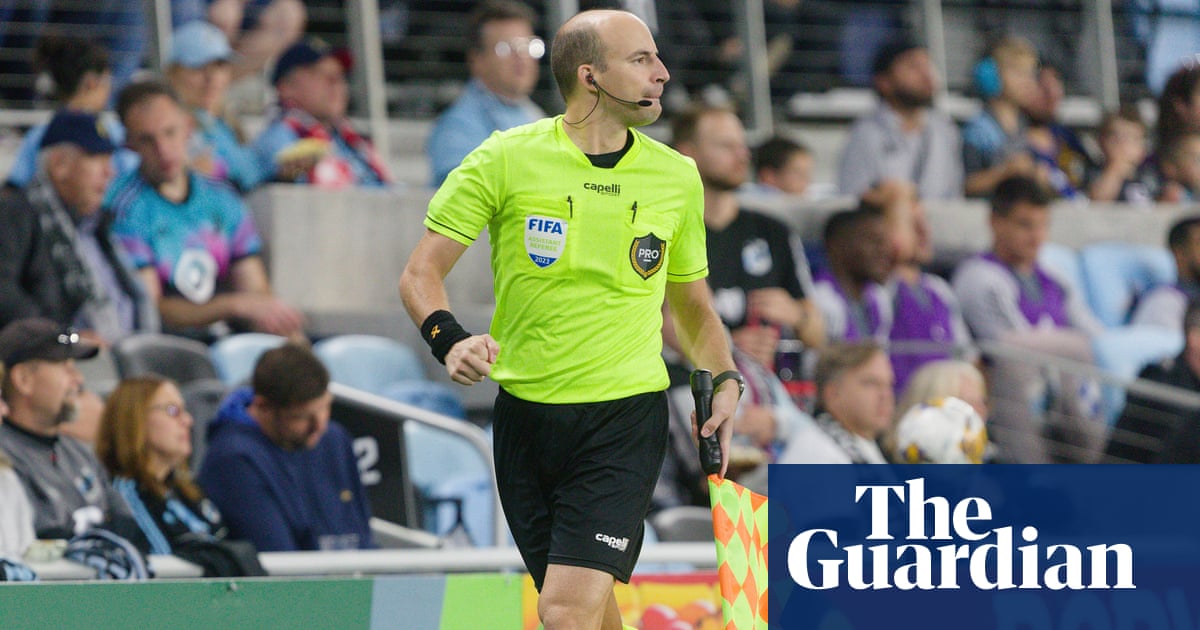
The 2026 World Cup will introduce semi-automated offside technology to enhance officiating precision. This system employs 12 cameras capturing 50 stills per second to track player movements, assisting officials such as Micheal Barwegan, who is part of the first all-Canadian officiating team in men’s World Cup history.
How does semi-automated offside technology work?
The system uses a network of cameras to track player limbs and determine if an attacker is positioned beyond the second-to-last defender. According to Micheal Barwegan, the technology tracks specific points on every player to maintain accuracy during standard offside calls.
When the system is certain of a violation, an automated voice tells the assistant referee “offside, offside, offside” through an earpiece. Based on the Club World Cup last summer, a “clearly offside” call is triggered when the gap between the defender and attacker exceeds 10cm.
If the gap is smaller, the system instructs the official to “delay.” If the scenario is too complex or gaps are minimal, the system provides no message, leaving the assistant referee to allow play to progress.
Why isn’t the system entirely automated?
Barwegan emphasizes that the technology does not turn the assistant referee into an “autopilot-led role.” He notes that while the system is highly accurate, it is not perfect, meaning the fundamental job of the official remains the same.
A critical distinction exists between computer processing and human perception. Barwegan explains that while the computer is fast, it still requires time to “think,” whereas a human official can often determine if a player will be offside before the system makes a final decision.
Assistant referees remain in constant contact with the head referee. Barwegan and his peers now relay the system’s data to the referee to streamline decision-making on the pitch.
Who is Micheal Barwegan?
Barwegan is a math teacher and board game enthusiast who began officiating at age 12 to earn pocket change. He transitioned to professional games by 2012 after discovering he enjoyed the rules and systems of officiating more than playing the sport.
His career has been marked by a close bond with his brother, Brian, who refereed high school and college games for 17 years. In 2025, Barwegan made a special request to be assigned to Toronto to accommodate his brother’s final game.
After officiating Toronto FC’s 4-2 victory over Orlando City, Barwegan flew to Alberta. He arrived just in time to officiate the University of Lethbridge Pronghorns’ match against the University of Alberta Golden Bears, despite having worked an MLS game only 14 hours prior.
What happens next for World Cup officiating?
The 2026 tournament could see a significant reduction in match delays if the semi-automated system functions as intended. The use of 50 stills per second may provide a more definitive basis for controversial calls than previous methods.
The collaboration between Barwegan, referee Drew Fischer, and assistant referee Lyes Arfa may serve as a blueprint for future international officiating teams. Having already worked together at the 2024 Olympics and the Club World Cup, their chemistry could influence how officials are paired in future editions.
Frequently Asked Questions
What is the specific distance required for a “clearly offside” call?
According to the system used at last summer’s Club World Cup, the gap between the defender and attacker must be more than 10cm.
How many cameras are used in the semi-automated offside system?
The system utilizes a dozen cameras to track player movement at a rate of 50 stills per second.
Who are the members of the first all-Canadian men’s World Cup officiating team?
The team consists of referee Drew Fischer, assistant referee Lyes Arfa, and assistant referee Micheal Barwegan.
Do you think semi-automated technology will eventually replace the need for human assistant referees entirely?