
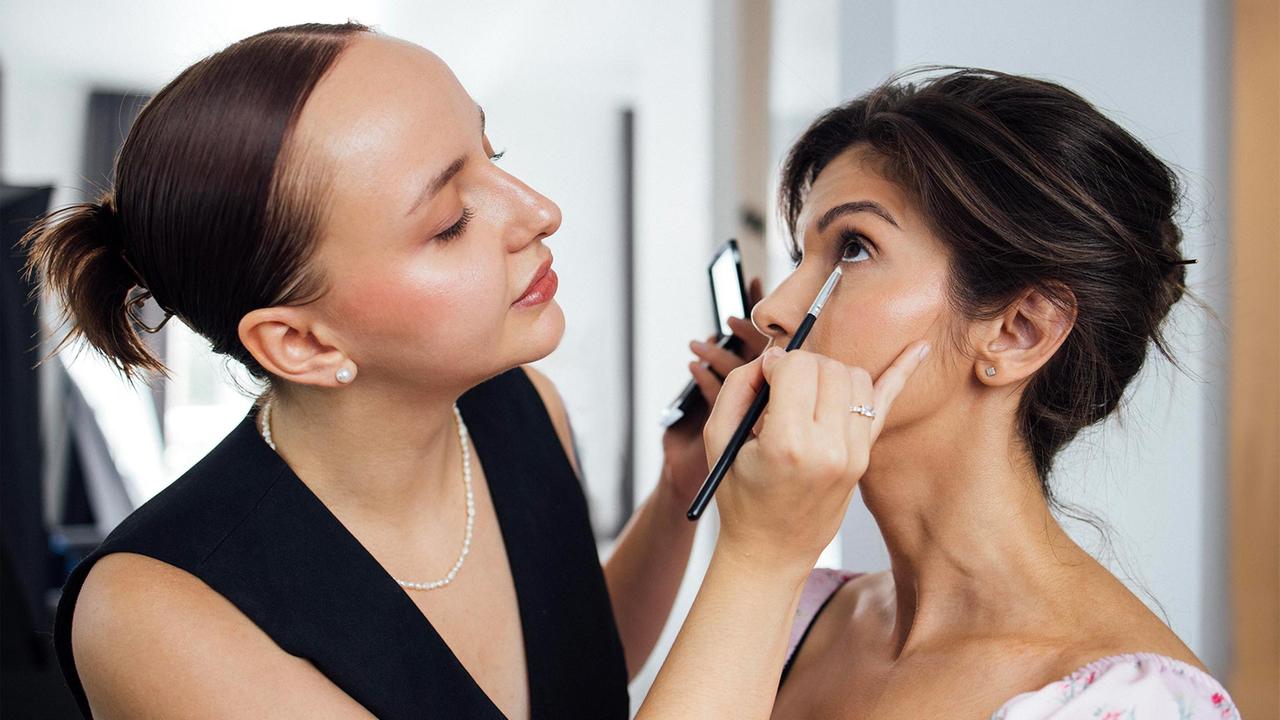
How Social Media and Asian Beauty Are Transforming the Skincare Market
The global beauty market is undergoing a rapid transformation as Asian brands and social media trends disrupt traditional skincare and makeup cycles. While German consumers spent €6.3 billion on these products last year, growth is being driven by price increases and the rise of agile, digitally native brands like Sheglam.
How are social media and Asian brands disrupting beauty?
Platforms like TikTok and Instagram have drastically accelerated product cycles, allowing trends to emerge and vanish within weeks. This environment favors brands that can produce quickly and maintain a strong digital presence with low entry prices.
A prime example is Sheglam, the cosmetics arm of Asian online retailer Shein. After gaining massive traction on social networks, the brand became available at the drugstore chain dm in October 2025. According to Stefanie von Albert, Head of Purchasing and Assortment at the Douglas Group, Asian providers from Korea, China, and Japan are particularly fast with packaging design, product launches, and new trends.
These “K-Beauty” and other Asian influences are introducing Western consumers to new textures, essences, cleaning oils, and toner routines that are forcing traditional German brands to adapt.
What is the impact of influencer “private labels” on traditional firms?
The power of celebrity influence is immense, with reality star Kylie Jenner (Kylie Cosmetics) and make-up artist Huda (Huda Beauty) commanding a combined 95 million followers across Instagram and TikTok. These “private labels” often function by hiring a manufacturer to develop a serum or cream on behalf of the influencer, keeping the actual factory’s identity a secret from the consumer.
This shift puts significant pressure on traditional manufacturers. Babor, a high-end skincare firm based in Aachen, handles such contract productions but is currently facing high adaptation pressure. The company has announced plans to cut up to 80 positions.
Why is the “Lipstick Effect” failing legacy brands?
The “Lipstick Effect” suggests that consumers continue to buy small luxury items, like lipstick, to maintain a sense of well-being during economic downturns. However, research from the consultancy Accenture indicates that recent revenue growth in the sector has been driven primarily by higher prices rather than an increase in the volume of products sold.
At the same time, rising costs for raw materials and energy are squeezing margins. Legacy brands are also losing ground to store brands like Balea, which are more affordable and have improved their image. Economist Martin Fassnacht notes that these store brands have become more emotional and are now viewed by consumers as equivalent to manufacturer brands.
The consequences are visible in the financial reports of industry giants. Beiersdorf reported a 7% revenue decline for its NIVEA brand in the first quarter of 2026.
How does Cosnova use gaming and storytelling to win Gen Z?
Cosnova, the 25-year-old company behind Essence and Catrice, has thrived by ignoring traditional TV advertising in favor of digital platforms. Isabelle Tambue, Chief Brand Officer of Essence, stated that the company entered social media early because they lacked the budgets for large television campaigns.
The company now uses “image transfer” strategies, such as launching a game called “Kingdom of Essentia” on the Roblox platform. Instead of traditional ads, players interact with a world designed in the brand’s visual style to create positive emotional associations.
Cosnova Manager Bülent Özdemir explains that the company sells “stories” rather than just products. This is evidenced by their development of cupcake-scented lip care designed to evoke the specific feeling of having a birthday.
What happens next for the skincare market?
The industry is likely to move further toward “preventive skincare,” with “Longevity” and “Healthy Aging” becoming the dominant marketing terms. This represents the largest future trend for the sector.
Companies may continue to expand through strategic acquisitions to capture these growth markets. Cosnova has already taken this step by acquiring a Spanish skincare manufacturer that specializes in treating skin blemishes and aging.
Frequently Asked Questions
What is the “Lipstick Effect”?
It is the theory that people continue to spend money on small, affordable luxury products, such as lipstick, to provide a sense of self-determination or well-being during difficult economic times.
How is Cosnova reaching younger customers?
Cosnova uses digital-first marketing and gamification, including a dedicated game on Roblox called “Kingdom of Essentia” and products designed around emotional stories, such as birthday-themed lip care.
Which brands are currently putting pressure on legacy cosmetics companies?
Pressure is coming from agile Asian brands like Sheglam, high-follower influencer labels like Kylie Cosmetics and Huda Beauty, and affordable store brands such as Balea.
Do you prefer buying established legacy brands or trying viral products from social media?