

How Tales from the Crypt Redefined Horror Television
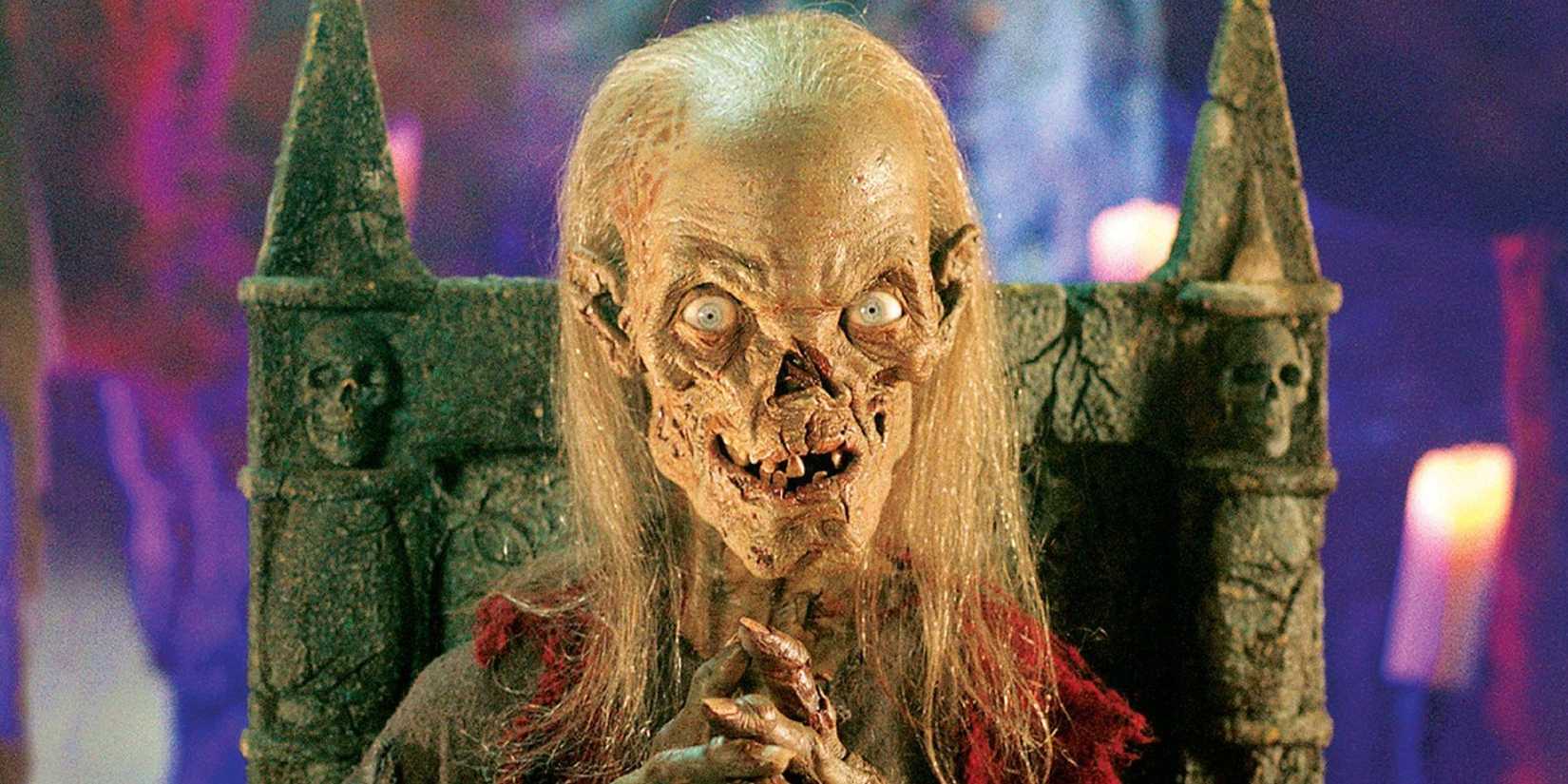
HBO’s Tales from the Crypt, which aired from 1989 to 1996, revolutionized the horror genre by utilizing its status as a premium cable series to bypass standard television censorship. By avoiding typical Standards and Practices constraints, the anthology series introduced graphic violence, strong language, and mature themes that were previously unseen on the small screen. The show, hosted by the iconic, wisecracking corpse known as the Cryptkeeper, remains a foundational pillar of horror television.
Did You Know? Tales from the Crypt was adapted from an EC Comics series of the same name, which was published on a bimonthly schedule between 1950 and 1955.
How Tales from the Crypt Changed Television
The series, led by showrunner Gilbert Adler, defined a new era for horror on television by leveraging HBO’s lack of traditional network restrictions. While basic cable reruns of the show were eventually subject to editing to comply with industry standards, the original broadcasts provided a level of mature content that set a precedent for later horror series. According to the show’s history, the anthology format allowed for a distinct, often disturbing story in every episode, punctuated by the Cryptkeeper’s dark humor, which served to balance the gritty, violent narratives.
The Impact of Hollywood Talent
Throughout its seven-season run, the series attracted numerous Hollywood A-listers, including Tom Hanks, Michael J. Fox, Ewan McGregor, and Daniel Craig. These guest appearances added a sense of legitimacy to the horror anthology, though the show’s success was fundamentally driven by its revolutionary approach to storytelling rather than its star power. The popularity of the series eventually led to the production of three films: Demon Knight (1995), Bordello of Blood (1996), and Ritual (2002). The franchise also expanded into children’s media with the Saturday-morning cartoon, Tales from the Cryptkeeper.
Expert Insight: The transition of Tales from the Crypt from an explicit, adult-oriented HBO series to a Saturday-morning cartoon highlights the immense cultural footprint the brand achieved. While the original series pushed boundaries that defined modern horror television, its ability to pivot into kid-friendly spin-offs demonstrates that the Cryptkeeper had become a recognizable pop-culture icon that transcended its initial, gritty medium.
What May Happen Next
Following years of limited availability, the series is now accessible on Shudder, allowing modern audiences to view the original, unedited episodes. Given the enduring legacy of the show and its influence on contemporary horror series like The Last of Us and American Horror Story, analysts expect interest in the original anthology format to remain steady. It is possible that the continued availability of the show’s original run will lead to further re-evaluations of its role in shaping the current landscape of premium television horror.
Frequently Asked Questions
Who provided the voice for the Cryptkeeper?
The Cryptkeeper was voiced by John Kassir.
Was the movie Ritual (2002) intended to be part of the series?
No, Ritual was not originally intended to be part of the series, though it is now considered the third installment in the film franchise.
Why was the series often edited for basic cable?
Because the original HBO episodes contained extreme graphic violence, nudity, and strong language, they had to be edited to comply with the Standards and Practices required by basic cable networks.
Which episode of the original series do you consider the most memorable?