
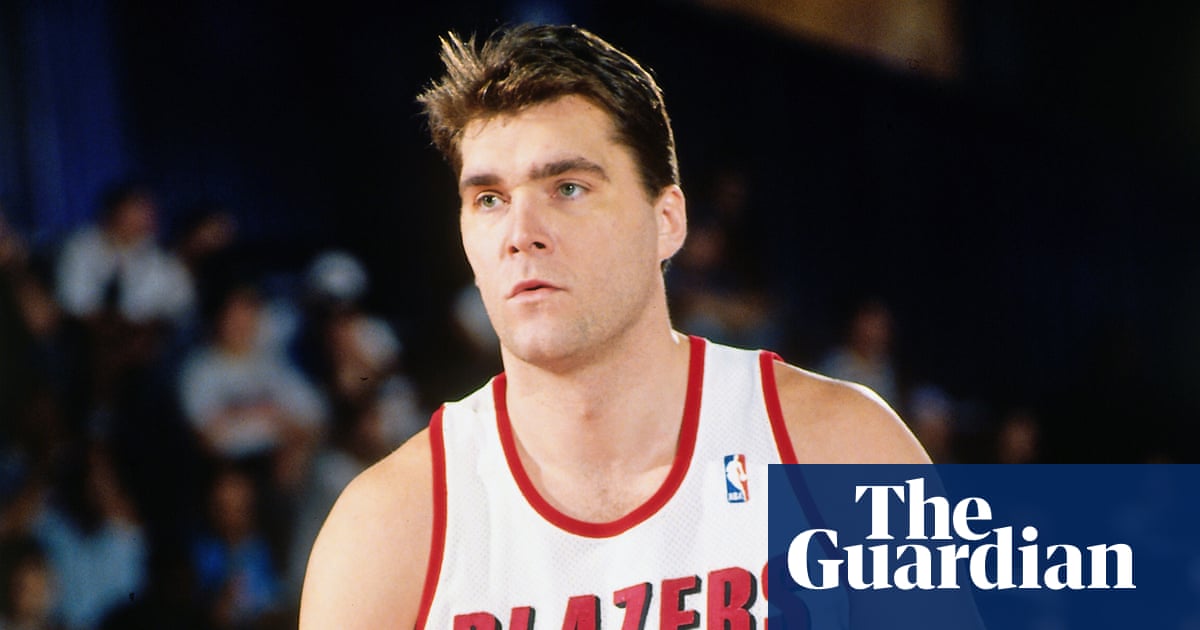
How the 1986 NBA Draft Changed Basketball Forever
On 17 June 1986, the Portland Trail Blazers drafted Arvydas Sabonis of the Soviet Union, marking a shift in NBA history as international scouting moved from a rarity to a fundamental league strategy. Despite initial skepticism from fans and analysts, the move catalyzed the globalization of professional basketball, leading to an era where international players now account for more than 25% of the league’s rosters.
The 1986 Draft and the Resistance to European Talent
NBA commissioner David Stern announced the selection of Arvydas Sabonis at the Felt Forum in Madison Square Garden, an act that drew boos from the crowd and laughter from television hosts. At the time, the NBA lacked a formal international scouting apparatus. According to former Dallas Mavericks general manager Rick Sund, teams relied on grainy VHS tapes and secondhand reports rather than real film or technology. Dan Peterson, an American coach working in Italy during the mid-1980s, noted that European players were simply not on the radar for most NBA executives.
Portland’s vice-president of basketball operations, Bucky Buckwalter, defied this trend by leaning on personal connections, including former college teammate George Fisher, to scout European talent. Following the selection of Sabonis, the Blazers doubled down by drafting Yugoslavian guard Dražen Petrović. Both players faced significant hurdles, including the International Basketball Federation’s (FIBA) amateurism requirements and restrictive policies in communist countries that prevented players from signing abroad.
Before the 1986 draft, international draft picks were largely limited to foreign-born players who had attended college in the United States or late-round flyers, as the league did not employ dedicated international scouts.
The Impact of Global Policy Shifts
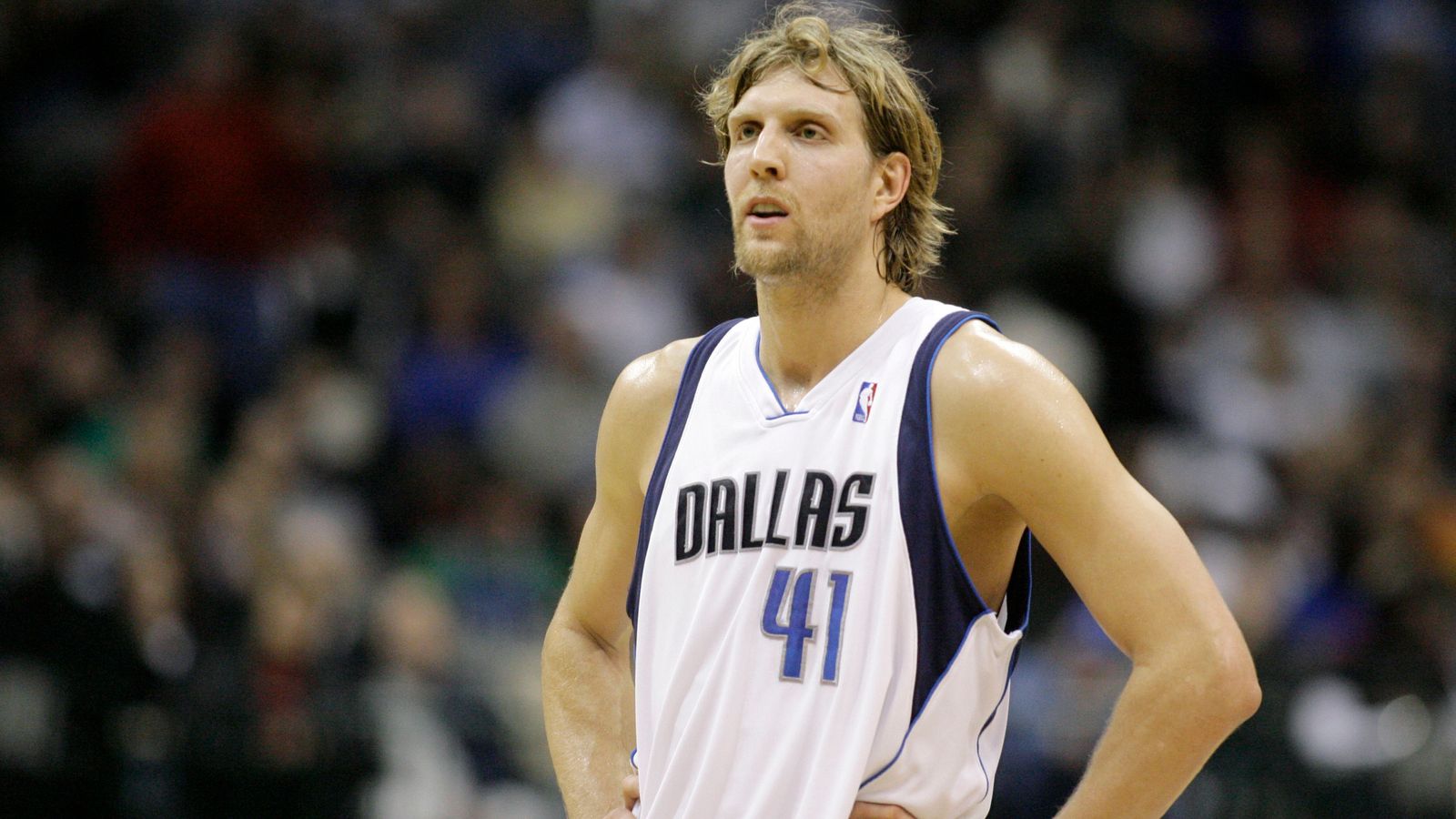
The landscape of international basketball began to change in 1989 when FIBA voted to allow professionals to participate in international competitions. This decision, urged by secretary general Borislav Stanković, eventually paved the way for the 1992 US Dream Team. According to former NBA executive Terry Lyons, the 1992 Olympics acted as the perfect “fertilizer storm” for global interest, inspiring future stars like Dirk Nowitzki, Tony Parker, and Pau Gasol.
For the Blazers, the transition was gradual. Sabonis did not join the team until 1995, by which time his mobility had been impacted by multiple injuries. Petrović, meanwhile, found success with the New Jersey Nets after a trade in 1991, eventually earning a spot on the All-NBA Third Team before his death in a 1993 car crash. Their careers, while marked by a “what if” factor regarding their prime years, established that European athletes could thrive as stars in the American league.
The integration of international players represents a transition from a closed domestic system to a globalized talent pool. The significance lies in the evolution from viewing foreign players as risks to recognizing them as core contributors, as evidenced by the last eight MVP awards being won by non-US-born players.
The Future of International Scouting
As teams continue to invest in full-time international scouts, the presence of foreign-born players in the NBA is likely to remain at record highs. With 135 international players from 43 countries on rosters by the start of the 2025-26 season, the trend suggests that scouting infrastructure will continue to prioritize deep-dive analysis of global leagues. Analysts expect that as the game remains popular worldwide, the competition for talent will continue to diversify, potentially leading to an even higher percentage of international representation in future drafts.

Frequently Asked Questions
Why were teams hesitant to draft European players in the 1980s?
Executives were skeptical about whether European players could compete with American counterparts and were concerned about their ability to assimilate. There was a commonly held belief that they were not as tough or skilled as American players.
What prevented Sabonis from joining the NBA immediately after being drafted?
The Soviet Union forbade players from signing abroad, and the government wanted Sabonis to compete in the 1988 Olympics, meaning he would have lost his eligibility by playing in the NBA.
Who is considered a turning point for European players in the NBA?
According to Italian coach and longtime scout Roberto Carmenati, Dirk Nowitzki represented a turning point because he was signed at age 20 from Germany’s second division, proving that teams could successfully scout and develop relatively unknown European prospects.
How do you think the global nature of today’s NBA roster will influence the style of play in the coming decade?