
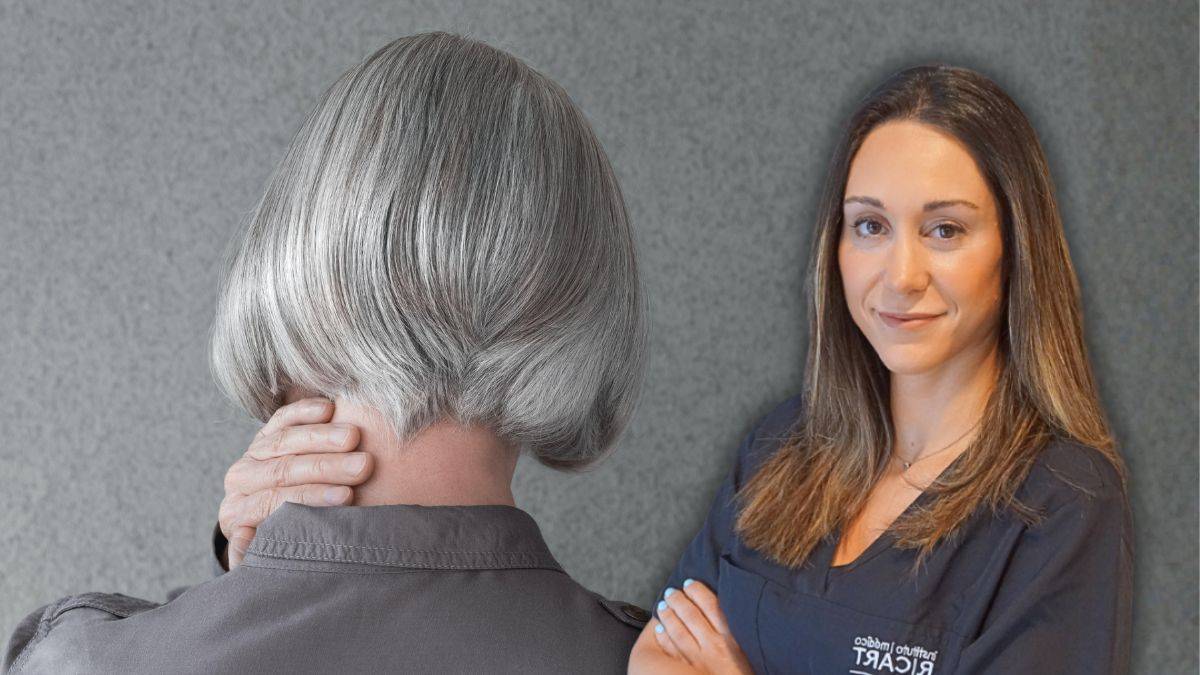
How to Care for Gray Hair: Expert Tips for Healthy and Radiant Strands
Hair aging is a natural biological process that involves more than the loss of pigment, as it fundamentally alters the structure and resilience of the hair fiber. According to Dr. María Penalba, a specialist in medical-surgical dermatology, aesthetic medicine, and capillary medicine at IMR, graying occurs when melanocytes cease pigment synthesis due to cellular aging and reduced activity in hair follicle stem cells.
Gray hair is not merely a change in color; it is a structural transformation. Aging hair follicles experience decreased regenerative capacity, leading to thinner fibers that are more porous and contain fewer lipids than pigmented hair.
Structural Changes in Aging Hair
As hair ages, it becomes increasingly vulnerable to environmental damage such as solar radiation, pollution, and the frequent use of thermal styling tools. Dr. Penalba notes that mature hair often suffers from a loss of density and an overall thinning of the fiber. These structural shifts result in a hair surface that is more irregular, making the hair prone to frizz, dryness, and difficulty in management.
Maintaining Hair Health
Hydration is the primary requirement for managing gray hair, according to Dr. Penalba. She advises individuals to utilize gentle shampoos that protect the scalp, avoiding harsh formulas that exacerbate dryness. Incorporating nutritive masks and conditioners with emollient ingredients can help restore cuticle cohesion and reduce fragility. To prevent the yellowing often associated with oxidation from environmental factors, the use of violet or blue-pigmented shampoos is recommended to neutralize unwanted tones.
The shift toward embracing natural gray hair reflects a broader cultural change in how we perceive aging. By focusing on maintaining the structural integrity of the hair fiber rather than attempting to reverse the biological loss of melanin, individuals can achieve a healthy aesthetic that is both authentic and well-maintained.
Strategies for Environmental Protection
Because the aging hair fiber is more susceptible to damage, protecting it from external aggression is essential for maintaining shine and strength. Dr. Penalba suggests minimizing the use of high-temperature tools like dryers and flat irons. When heat styling is necessary, applying protective formulas—including antioxidants and thermal protectors—may help preserve the quality of the hair over time.

Frequently Asked Questions
Can the graying process be reversed?
No. Dr. Penalba emphasizes that the decrease in melanin is a natural biological phenomenon. While a healthy lifestyle and balanced diet support overall hair quality, they cannot reverse established graying.
How often should I wash my gray hair?
There is no universal frequency; the routine should be adapted to the specific needs of the scalp. Frequent washing is acceptable in active individuals or during summer months, provided that gentle, respectful products are used.
Why does gray hair turn yellow?
Gray hair lacks melanin, leaving it susceptible to oxidation caused by solar radiation, pollution, and certain cosmetic products. This oxidation manifests as a yellow tint, which can be neutralized using violet or blue-toned hair care products.
How have you adjusted your own hair care routine as your needs have evolved over the years?