

How to Increase Your Assets and Build Wealth After a Layoff
A seasoned professional with 49 years of experience in the technology sector has demonstrated a successful financial recovery following a series of career layoffs. After transitioning from tech to consulting and eventually facing a final layoff in 2022, the individual managed to increase assets by more than 10% despite a 60% decrease in salary.
The recovery was driven by a strategic shift in spending habits and the elimination of recurring bills. By avoiding credit card interest and delaying Social Security benefits until age 70, the individual achieved a credit score of 825.
The Psychology of Debt and Spending
The transition to financial stability required a departure from what was described as “rose-colored glasses,” or the American tendency to increase spending as earnings rise. This often manifests in larger homes, cars, and vacations to signal success.

This personal struggle reflects a broader national trend, as total U.S. Credit-card debt is currently hovering at approximately $1.3 trillion. The average single balance is around $6,000, highlighting a widespread reliance on credit for basic needs like food and transportation.
AI and the Modern labour Market
The shift in the employment landscape is increasingly influenced by the AI revolution. Major tech firms have undergone significant workforce reductions, including Amazon, which cut around 14,000 jobs last year and another 16,000 in January.

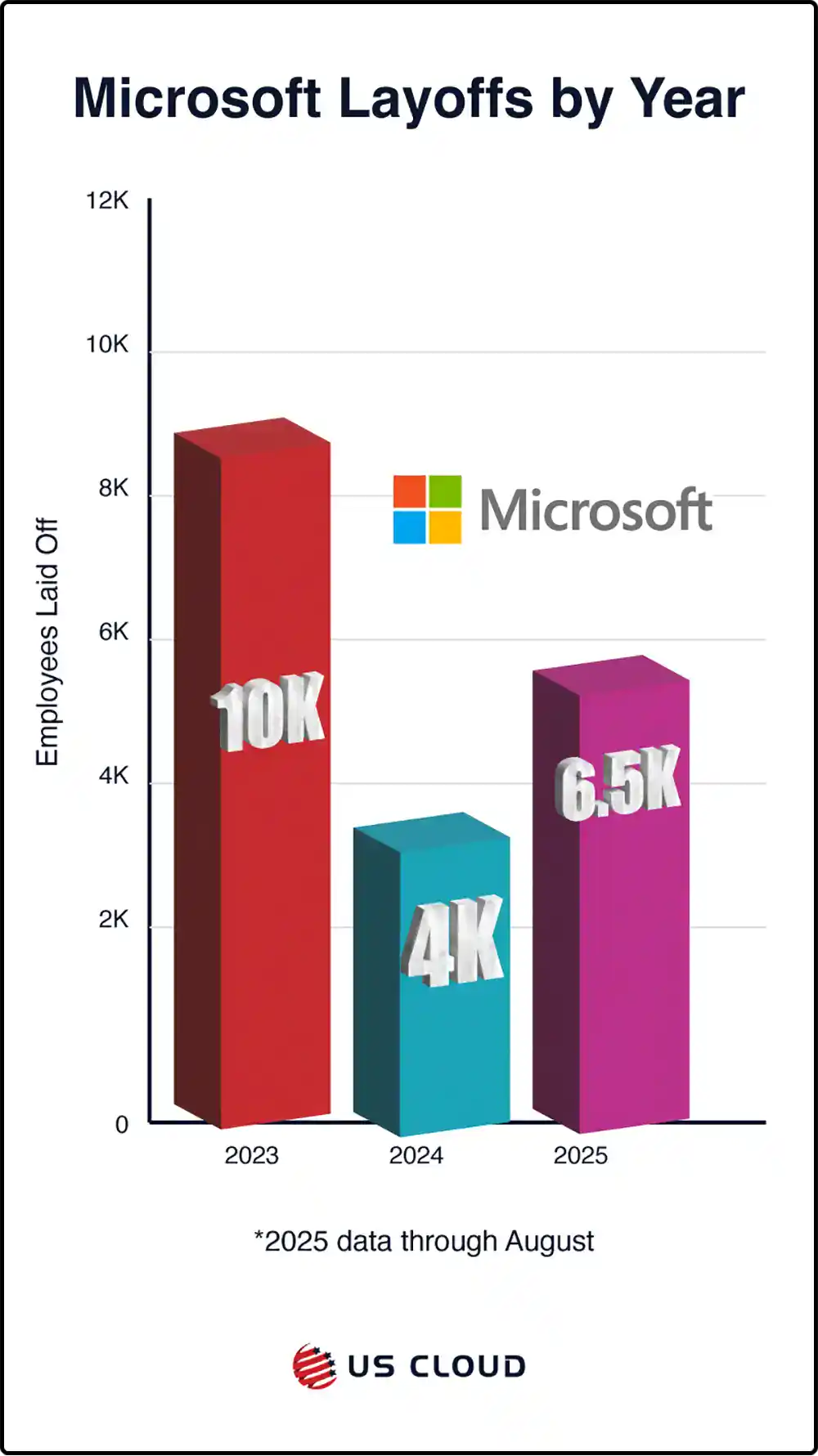
Microsoft laid off approximately 15,000 workers last year, while Pinterest announced cuts of up to 15% of its workforce in January to prioritize AI-powered products. Financial institutions, including Goldman Sachs, JPMorgan Chase, Citigroup, Deutsche Bank, and Morgan Stanley, have also announced layoffs.
Structural Vulnerabilities in Business
Recent data suggests the labour market is regaining some momentum, with the government reporting 115,000 jobs added in April and an unemployment rate of 4.3%. ADP reported that U.S. Businesses created 109,000 new private-sector jobs in the same period, exceeding Wall Street’s forecast of 84,000.
However, Nela Richardson, chief economist at ADP, indicates that medium-sized companies continue to show signs of weakness. These firms often lack the extensive cash reserves of large corporations and the nimbleness of smaller enterprises.
Future Economic Outlook
As artificial intelligence continues to upend industries such as finance, media, the arts, and tech, further job cuts may occur. Companies could continue to prioritize efficiency and cost-cutting strategies following the hiring booms seen after the pandemic.
Medium-sized firms may remain more exposed to shifts in financing and demand due to their structural limitations. Individuals may need to increasingly rely on “prosperous pivots” and disciplined asset management to navigate future economic curveballs.
Frequently Asked Questions
How did the retired professional increase their assets after a salary drop? The individual eliminated recurring bills, avoided credit card interest by paying balances in full monthly, and delayed claiming Social Security until age 70 to maximize their income stream. Which companies have recently implemented layoffs related to AI or efficiency? Layoffs have been reported at Amazon, Microsoft, and Pinterest, as well as major banks including Morgan Stanley, Deutsche Bank, JPMorgan Chase, Citigroup, and Goldman Sachs. Why are medium-sized companies considered more vulnerable in the current economy? According to ADP’s chief economist, medium-sized firms often lack the nimbleness of small firms and the cash reserves or credit access available to larger corporations. How do you balance the desire for professional success with the need for long-term financial simplicity?