

Huawei Watch Fit 5 Pro Review
The Huawei Watch Fit 5 Pro represents a shift in wearable technology by offering medical-grade health monitoring—including CE-certified ECG sensors and arterial stiffness detection—at a significantly lower price point than premium competitors. While it delivers a week of battery life and a high-resolution 1.92-inch AMOLED display, users must contend with a proprietary software ecosystem and third-party dependencies for contactless payments.
How does the Watch Fit 5 Pro bridge the gap between fitness bands and smartwatches?
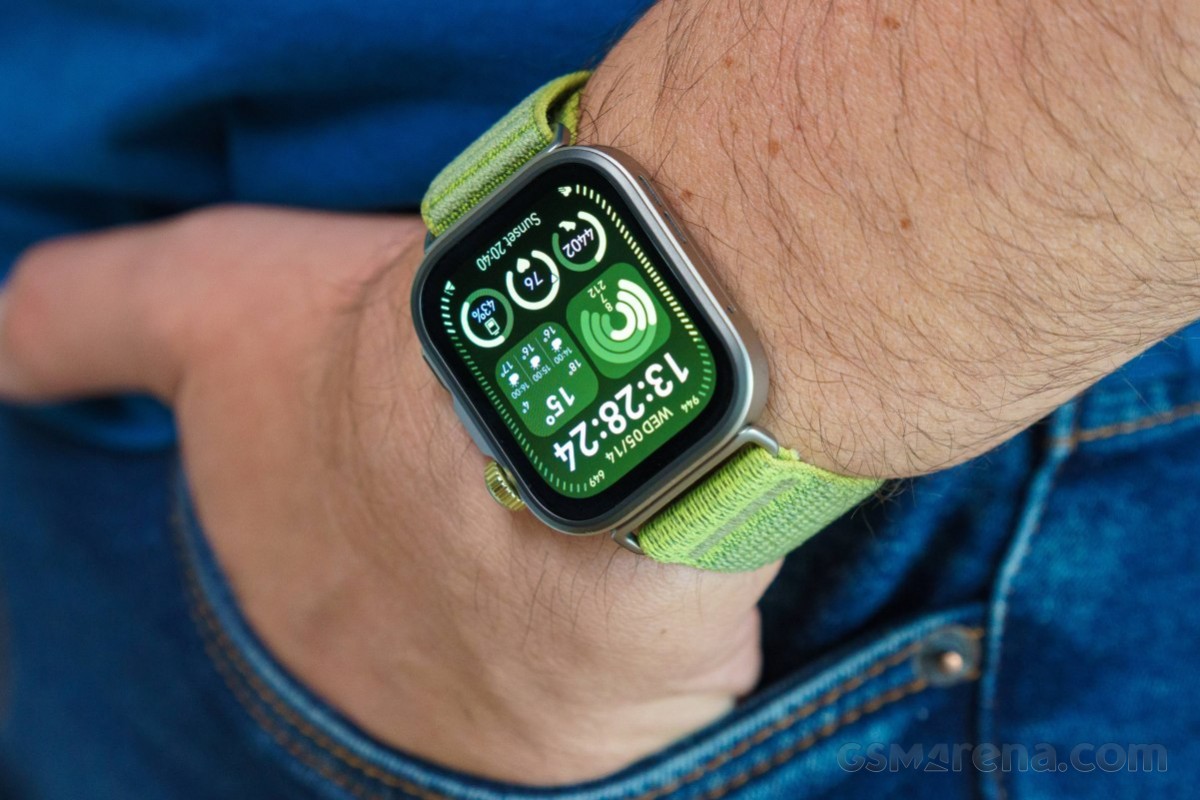
Huawei has positioned the Watch Fit 5 Pro as a hybrid, blending the slender profile of a fitness tracker with the robust hardware features typically reserved for high-end smartwatches. According to product specifications, the device utilizes an aerospace-grade aluminum chassis and a titanium alloy bezel, providing durability that rivals the Apple Watch Ultra series. The inclusion of a physical rotating crown allows for tactile navigation, a feature often absent in entry-level fitness bands, providing users with a reliable way to scroll through health data even while wearing gloves.
Why is the integration of ECG and cardiovascular tracking significant?
The standout technical addition to the Pro model is the CE-certified ECG sensor, which allows users to monitor for signs of atrial fibrillation. By placing a finger on the side button for 30 seconds, the device captures clinical-grade heart rhythm data. This functionality, paired with arterial stiffness detection, moves the wearable beyond basic step counting into the realm of preventative health monitoring. Compared to the standard Huawei Watch Fit 5, which lacks these sensors, the Pro variant serves as a more comprehensive tool for users prioritizing cardiovascular health.

What are the limitations of the Huawei proprietary ecosystem?
While the hardware impresses, the software experience requires compromise. Unlike devices running WearOS or watchOS, the Watch Fit 5 Pro relies on Huawei’s AppGallery, which offers a more limited selection of native applications. For instance, users cannot natively navigate a music library or view an email inbox. Furthermore, contactless payments are not integrated with standard UK high street banks; instead, users must utilize Curve Pay. According to early reviews, the setup process for these services involves navigating extensive terms and conditions, which may frustrate users accustomed to the “plug-and-play” nature of competing platforms.
How does battery performance compare to industry rivals?
Battery longevity remains the device’s strongest differentiator against competitors like the Google Pixel Watch 4. The 471mAh cell provides up to seven days of typical usage, even with continuous heart rate and sleep tracking enabled. When the always-on display is disabled, internal testing suggests this can extend to ten days. This efficiency is achieved through LTPO display technology, which scales the refresh rate dynamically from 60Hz down to 1Hz. Charging is equally flexible, as the device supports universal Qi-compatible wireless charging pads, a departure from the proprietary magnetic pucks often required by other manufacturers.
Frequently Asked Questions
- Is the Huawei Watch Fit 5 Pro compatible with iPhone? Yes, the watch connects to iOS devices via the Huawei Health app, though features like quick-reply texting are unavailable.
- Does the watch require a subscription? The watch functions fully without one, but Huawei offers a “Health+” subscription for £7.99 per month to unlock advanced sleep analysis and guided video workouts.
- Can I take this watch swimming? Yes, it carries 5 ATM water resistance and EN13319 certification for free-diving up to 40 meters.
Did you know?
The Watch Fit 5 Pro includes a “panda-guided” workout mode. This gamified feature encourages sedentary users to move by having an interactive character on the watch face “level up” as you complete stretching routines.
Are you considering a switch to the Huawei ecosystem for your next fitness wearable? Share your thoughts in the comments below or subscribe to our newsletter for more deep-dive tech reviews.