
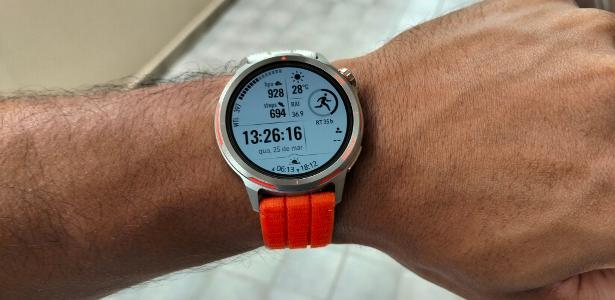
Huawei Watch GT 6 Pro: Advanced Fitness Tracking and Long Battery Life
The Future of Wearable Tech: From Simple Trackers to Emotional AI Companions
The wearable industry has moved far beyond simple step counting. As we look at the latest advancements in devices like the Huawei Watch GT 6 Pro, it’s clear that we are entering an era where our gadgets don’t just track our movement—they understand our physiology and our moods. The integration of high-fidelity sensors and AI-driven insights is fundamentally changing how we approach fitness, recovery, and mental well-being.
Precision Performance: The Rise of Biometric Accuracy
The gold standard for wearables used to be battery life, but today, it’s all about the quality of the data. Modern devices now leverage multi-sensor arrays and proprietary systems like the TruSense technology to capture granular metrics that were once reserved for clinical environments.

For athletes, In other words more than just tracking distance. Features like virtual power calculation for cyclists—which measures the actual force applied to pedals—are democratizing elite-level performance data. According to industry analysts at Gartner, the demand for health-focused wearables is projected to grow significantly as consumers prioritize preventative health monitoring over reactive medical care.
Beyond Physical Metrics: Tracking Your Emotional Pulse
Perhaps the most fascinating trend is the shift toward “emotional awareness.” Advanced algorithms now analyse heart rate variability (HRV) and skin conductivity to categorize stress and mood states. By visualizing these states through interactive interfaces—such as animal-based animations that reflect your mood—manufacturers are making mental health data more accessible and less intimidating.
This isn’t just a gimmick; it’s a tool for emotional regulation. When a user can correlate an “anxious” state with a specific time of day or a high-workload environment, they can take proactive steps to mitigate burnout before it manifests as physical exhaustion.
The Battery Life Breakthrough
For years, the Achilles’ heel of the smartwatch was the need for daily charging. However, the emergence of ultra-efficient power management systems has changed the narrative. Modern devices are now capable of multi-week battery performance even with active sleep tracking and heart rate monitoring.
Did you know? Consistent sleep tracking is only effective if you actually wear the device to bed. Studies from the Sleep Foundation suggest that the “wearability” of a device—its comfort and battery longevity—is the primary driver for long-term data consistency.
FAQ: Understanding Your Smartwatch Data
- How does a watch determine my emotional state?
- Wearables use sensors to measure Heart Rate Variability (HRV) and other physiological signals, which change based on your autonomic nervous system’s response to stress or relaxation.
- Is virtual power in cycling as accurate as a physical power metre?
- While physical power meters are still the gold standard for pro racing, virtual power calculations provide a highly reliable estimate for training, pacing, and tracking fitness improvements over time.
- Does “always-on” display really drain the battery that much?
- Yes, keeping the screen active continuously is the single biggest drain on any smartwatch battery, often reducing standby time by 50% or more.
The Future Landscape
As sensor technology continues to shrink and AI processing moves from the cloud to the device itself, we can expect watches to become even more predictive. Imagine a watch that doesn’t just tell you that you slept poorly, but suggests a specific workout intensity adjustment based on your recovery score and current emotional state.
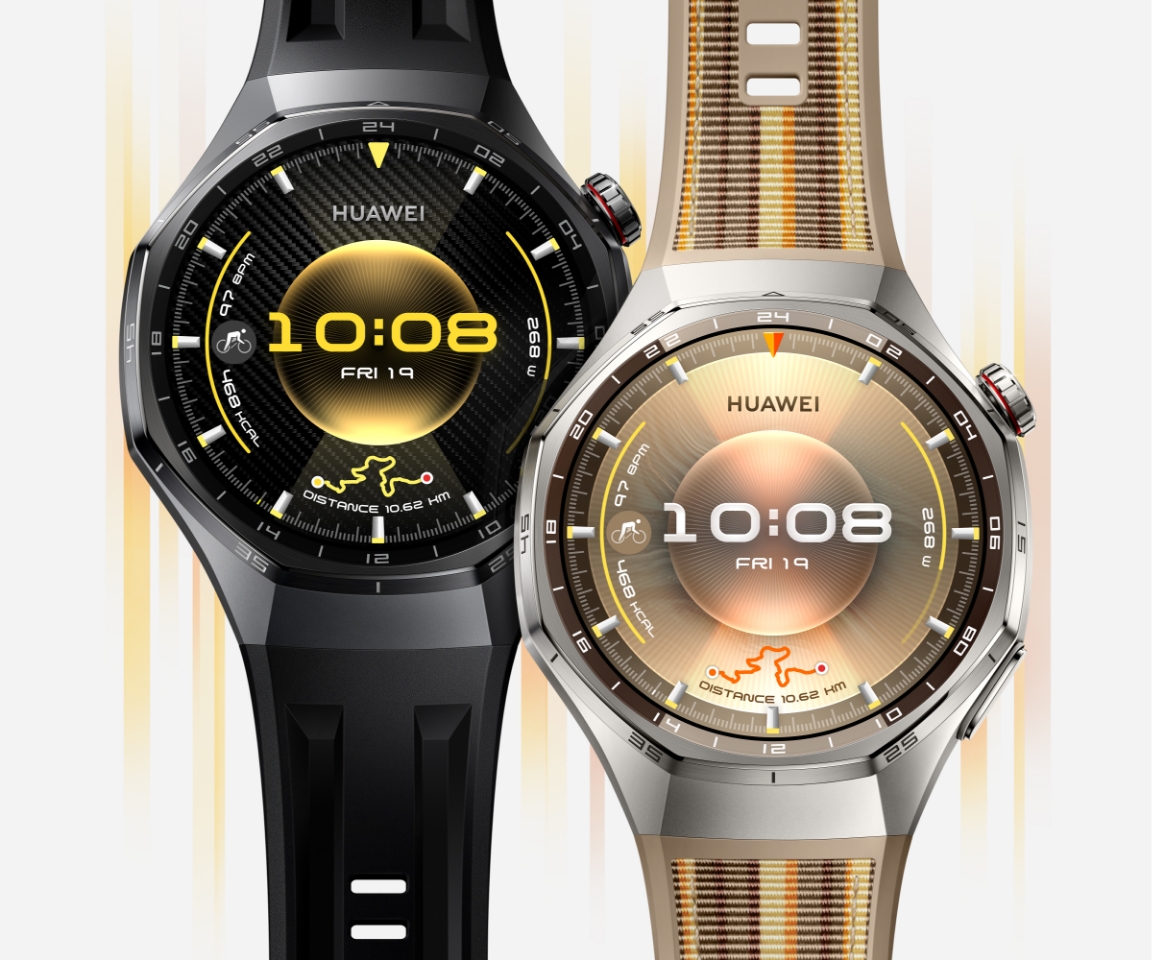
The convergence of professional-grade fitness tracking and holistic wellness monitoring is the new frontier. Whether you are a professional athlete or someone just looking to improve your daily habits, the technology on your wrist is becoming an increasingly essential partner in your journey toward better health.
Want to stay ahead of the curve on health tech? Subscribe to our weekly newsletter for deep dives into the latest wearable reviews and expert fitness tips. Have a question about your own device? Drop a comment below and join the conversation!