

Huawei Watch GT Runner 2 Review: The Ultimate Running Smartwatch
Huawei is advancing wearable health technology through the Watch GT Runner 2 and Watch Fit 5 Pro, emphasizing precise GNSS localization, ECG monitoring, and active prompts to combat sedentary behavior. According to Les Numériques, these devices prioritize high-accuracy athletic data and comprehensive health metrics, though both remain limited by a restricted third-party app ecosystem.
How is wearable GPS accuracy evolving for athletes?
Precision in localization is now a primary benchmark for sports wearables. The Huawei Watch GT Runner 2 utilizes a high density of sensors and antennas to provide what Les Numériques describes as “precise localization” and “fast GNSS lock.” This shift indicates a trend toward professional-grade telemetry for amateur runners.
While localization is a strength, hardware consistency remains a challenge. Les Numériques reports that cardio measurements on the GT Runner 2 can be “sometimes imprecise.” This gap suggests that the next phase of wearable evolution will focus on stabilizing biometric sensors to match the accuracy of GPS antennas.
Can smartwatches effectively reduce sedentary behavior?
Wearables are moving beyond passive tracking toward active intervention. The Huawei Watch Fit 5 Pro introduces “mini-workouts” specifically designed to fight sedentary lifestyles. This approach marks a transition from simply counting steps to prescribing immediate, short-burst physical activity.
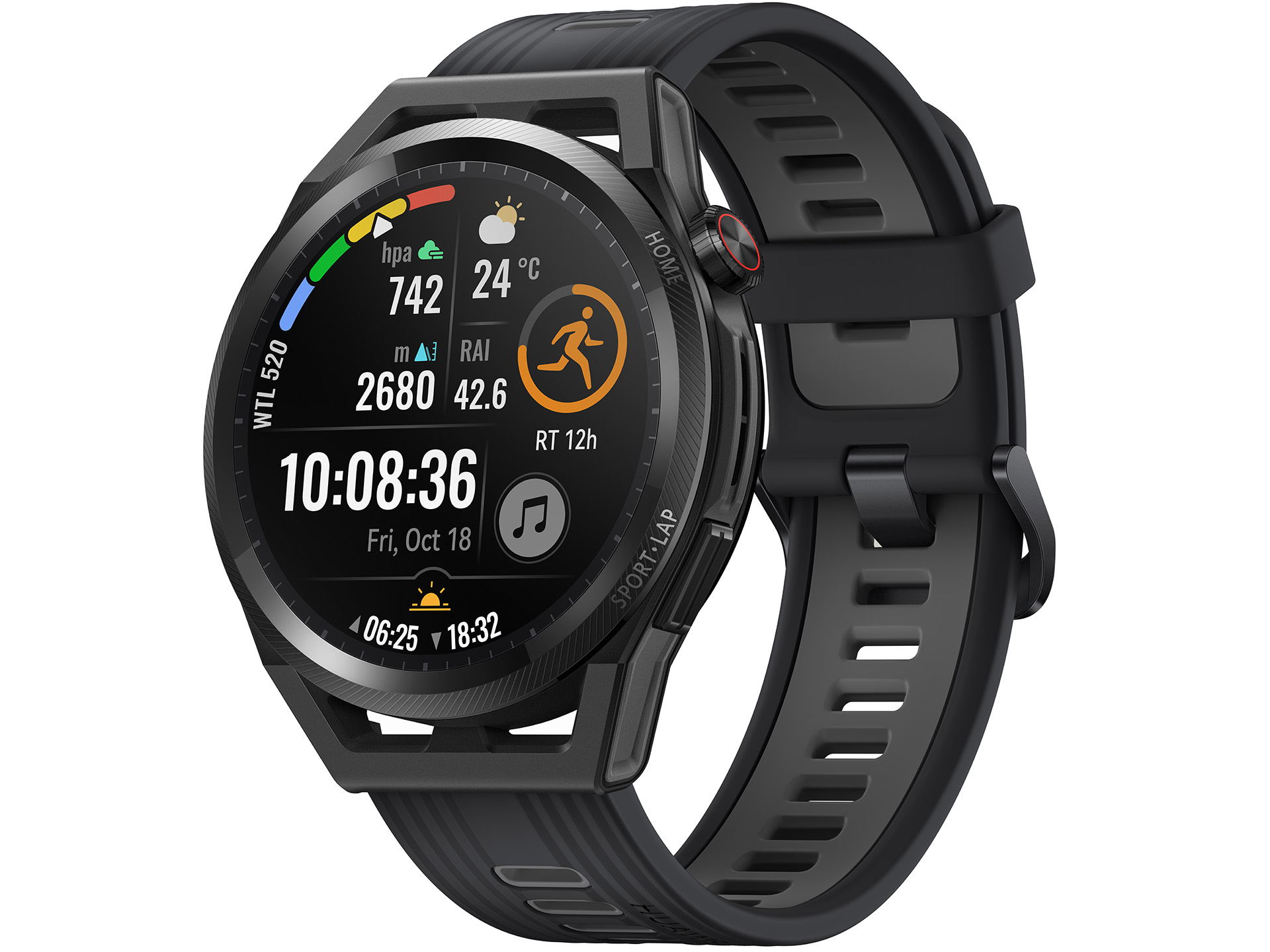
Health monitoring is also expanding into clinical territory. Both the GT Runner 2 and Fit 5 Pro incorporate ECG (electrocardiogram) and temperature measurements. According to Les Numériques, these tools make the devices more versatile for users focused on general wellness rather than just athletic performance.
The trend is moving toward “recovery-centric” data. The GT Runner 2 provides specific recovery advice, shifting the focus from how hard an athlete trained to how well they have recovered for the next session.
Why does the app ecosystem still limit wearable growth?
Hardware excellence does not always equate to user satisfaction. Les Numériques identifies a “restricted app ecosystem” as a primary weakness for both the Watch GT Runner 2 and the Watch Fit 5 Pro. This limitation specifically impacts users who rely on third-party tools like Strava for social sharing and deep data analysis.
This creates a divide in the market: devices with high hardware autonomy versus those integrated into open software ecosystems. While Huawei offers “generous autonomy”—with some models listed for up to 14 days of battery life—the lack of diverse app support can alienate power users.
Future growth in this sector depends on bridging the gap between proprietary OS stability and the flexibility of third-party integrations. Without a robust app library, even the most precise sensors may struggle to retain users who prioritize social connectivity and cross-platform data syncing.
Comparing the GT Runner 2 and Fit 5 Pro
The two devices target distinct user profiles despite sharing a similar health-tech foundation. The GT Runner 2 is a specialized tool for athletes, emphasizing GNSS speed and recovery analysis. In contrast, the Watch Fit 5 Pro is a generalist device focusing on “maturity” and lifestyle integration.
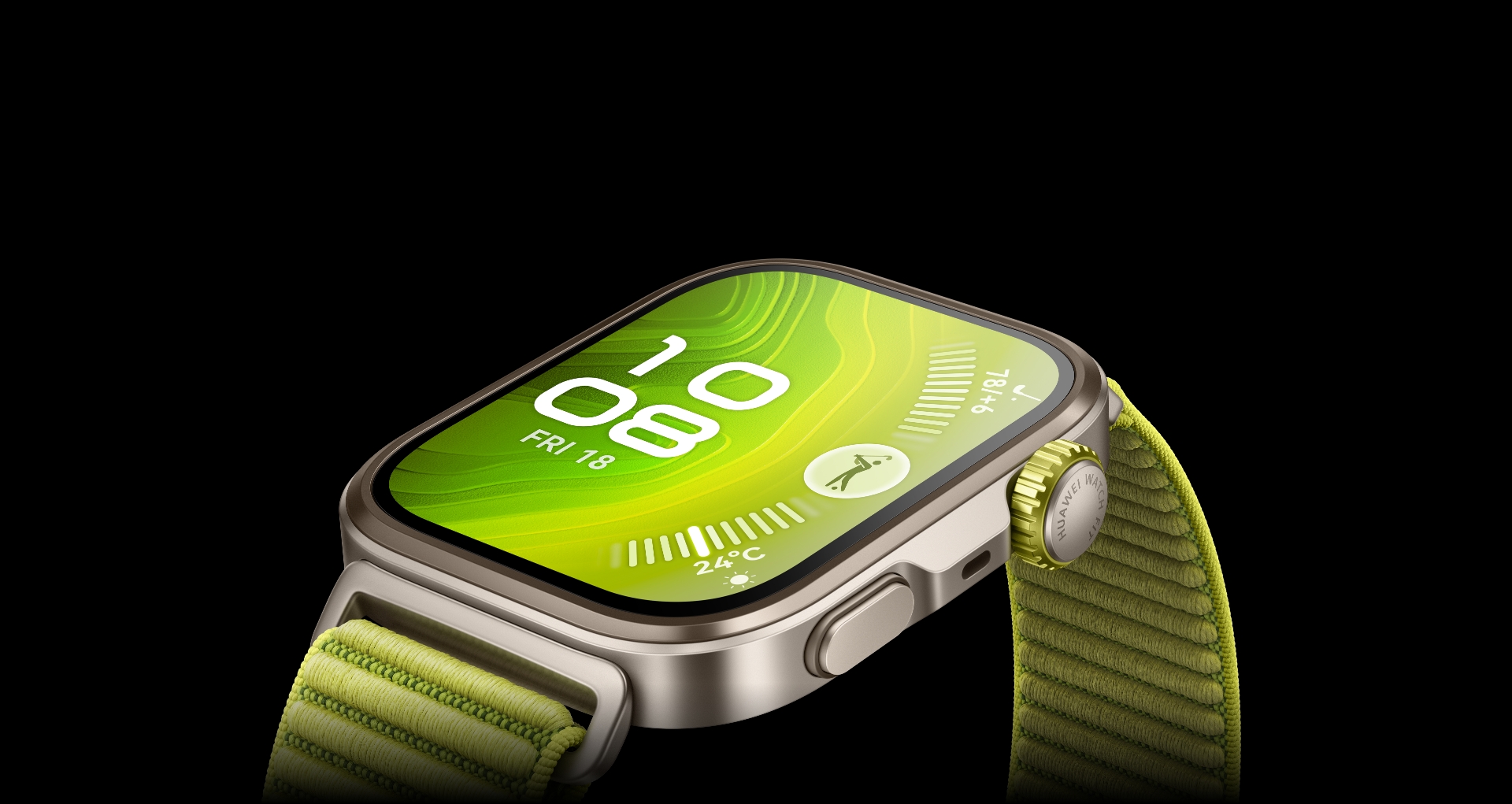
A notable divergence appears in physical design. Les Numériques notes that the Fit 5 Pro’s format has grown larger year-over-year, which may exclude users with smaller wrists. This suggests a trend where manufacturers prioritize screen real estate and battery capacity over universal fit.
For more information on comparing wearable sensors, visit World Health Organization guidelines on digital health monitoring.
Frequently Asked Questions
What is the main advantage of the Huawei Watch GT Runner 2?
According to Les Numériques, its primary strengths are precise localization, fast GNSS acquisition, and generous battery life.
Does the Huawei Watch Fit 5 Pro help with sedentary habits?
Yes, it features integrated mini-workouts designed specifically to encourage movement and combat sedentary behavior.
What are the common drawbacks of these Huawei wearables?
The most significant limitation is a restricted app ecosystem, which can hinder users who want to use third-party applications like Strava.
Can these watches measure heart health?
Both devices include ECG measurements and temperature sensors to provide a more comprehensive view of the user’s health status.
Join the Conversation: Do you prioritize hardware precision or a wide app ecosystem when choosing a smartwatch? Share your experience in the comments below or subscribe to our newsletter for the latest in wearable tech analysis.