
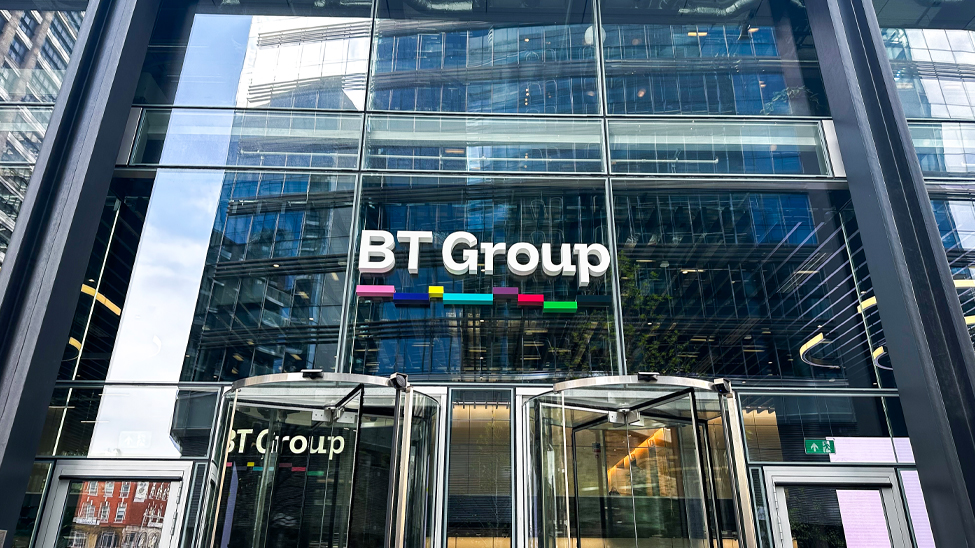
Huddly helps BT Group transform meeting spaces -…
BT Group is consolidating its physical footprint into 17 main sites across the UK to support hybrid work, according to AV architect Danny Ward. The company is deploying Huddly AI-driven camera systems, including the C1 videobar and Huddly Crew, across more than 400 planned meeting room updates by the end of 2026.
Why is BT Group consolidating its office estate?
BT Group reduced its property portfolio from hundreds of buildings to a network of 17 main hubs and contact centres, spanning from Dundee in Scotland to Plymouth in England. This shift is part of the company’s Better Workplace Programme.
Danny Ward, an audiovisual architect at BT Group, stated that supporting hybrid work is the organization’s top priority. The goal is to ensure employees can join meetings easily whether they are working from home, a cafe, or a corporate office.
How does AI camera technology solve hybrid meeting gaps?
Legacy video equipment previously hindered collaboration at BT Group. Ward noted that older systems relied on low-resolution cameras that struggled with lighting, bandwidth, and visual quality, often making it difficult to see remote participants.
To fix this, BT Group integrated Huddly’s modular AI camera systems. Unlike traditional hardware, these devices run AI directly on the camera to automate the meeting experience. The company first tested the Huddly C1 AI-driven videobar at its Manchester hub before deploying the device in over 30 small and medium-sized rooms.
For larger spaces, the company uses the Huddly Crew five-camera system. Ward explained that these cameras coordinate to keep the speaker in view and capture full faces rather than side shots. This allows remote participants to feel more natural and integrated into the conversation.
What are the technical advantages of IP-based AV deployment?
Deploying technology across a global estate requires scalable infrastructure. BT Group utilizes internet protocol (IP) for its camera systems, allowing them to run over a single Cat6 cable.
Ward stated that IP-based installation is cheaper, faster to deploy, and simpler to maintain than bespoke cabling. This technical choice prevents the need for specialized cables if a component fails, streamlining the maintenance process across the 17 main sites.
What is the scale of BT Group’s workplace transformation?
The transition to a hub-and-spoke office model is ongoing. BT Group projects that it will have over 400 new or updated meeting rooms by the end of 2026.

According to Ward, the company expects Huddly technology to be utilized in more than 50% of those spaces. This rollout represents a shift from fragmented, building-specific setups to a standardized global experience.
Comparison: Legacy vs. AI-Driven Meeting Spaces
| Feature | Legacy Systems | Huddly AI Systems |
|---|---|---|
| Visuals | Low-resolution; lighting issues | AI-automated; high clarity |
| Coverage | Limited; frequent “side shots” | Multi-camera coordination; full-face view |
| Installation | Bespoke cabling | Single Cat6 / IP-based |
Frequently Asked Questions
What is the Better Workplace Programme?
It is BT Group’s internal initiative to modernize its office estate and meeting spaces to better support hybrid work models.
How many offices does BT Group now operate?
The company has limited its building portfolio to 17 main sites across the UK.
Which AI cameras is BT Group using?
The company uses the Huddly C1 videobar for small to medium rooms and the Huddly Crew five-camera system for larger spaces.
How is your organization handling the shift to hybrid meeting spaces? Share your experience in the comments below or subscribe to our newsletter for more industry insights.