
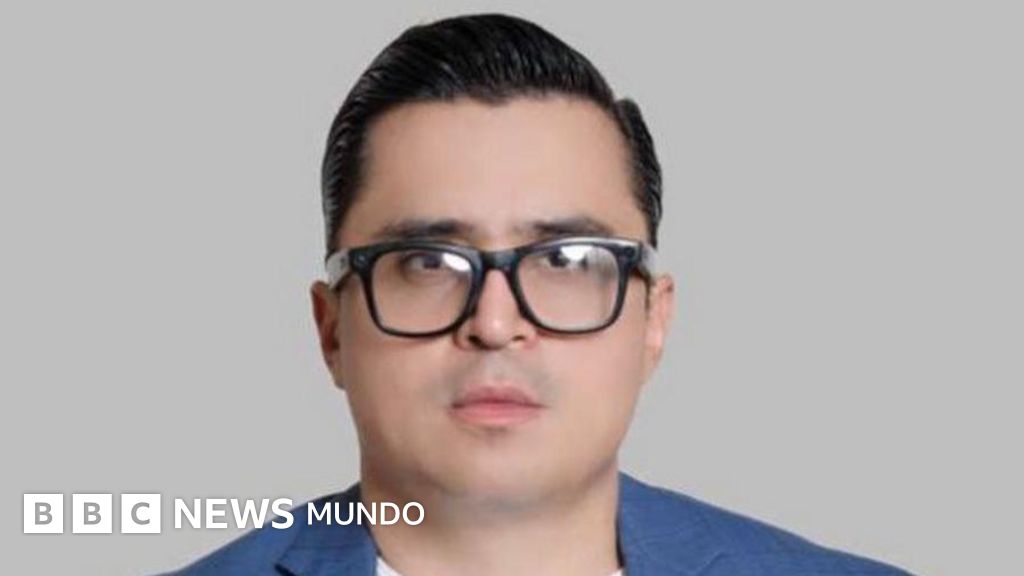
Colombian Activist Beto Coral Detained by US Immigration in Arizona
Beto Coral, a Colombian activist and prominent supporter of President Gustavo Petro, was detained by U.S. immigration agents in Phoenix, Arizona, according to the Colombian Embassy in Washington. The arrest has triggered a diplomatic dispute between U.S. officials and the Colombian government just days before the nation’s presidential second-round runoff.
Why was Beto Coral detained in Arizona?
The specific legal grounds for the arrest remain unconfirmed. The U.S. Department of Homeland Security (DHS) did not immediately respond to a request for information from BBC Mundo. However, journalist Daniel Coronell reported that Coral contacted him to notify him of the detention.

Videos shared by Coronell show agents from Homeland Security Investigations (HSI) intercepting Coral while he was walking a dog with his son. According to Coronell, one agent told Coral the detention was ordered by Secretary of State Marco Rubio, though no U.S. authority has officially confirmed this claim.
How does this arrest intersect with the Colombian elections?
The detention occurs during a high-stakes campaign for the Colombian presidency. The upcoming vote features a runoff between Iván Cepeda of the leftist Pacto Histórico and right-wing candidate Abelardo de la Espriella.
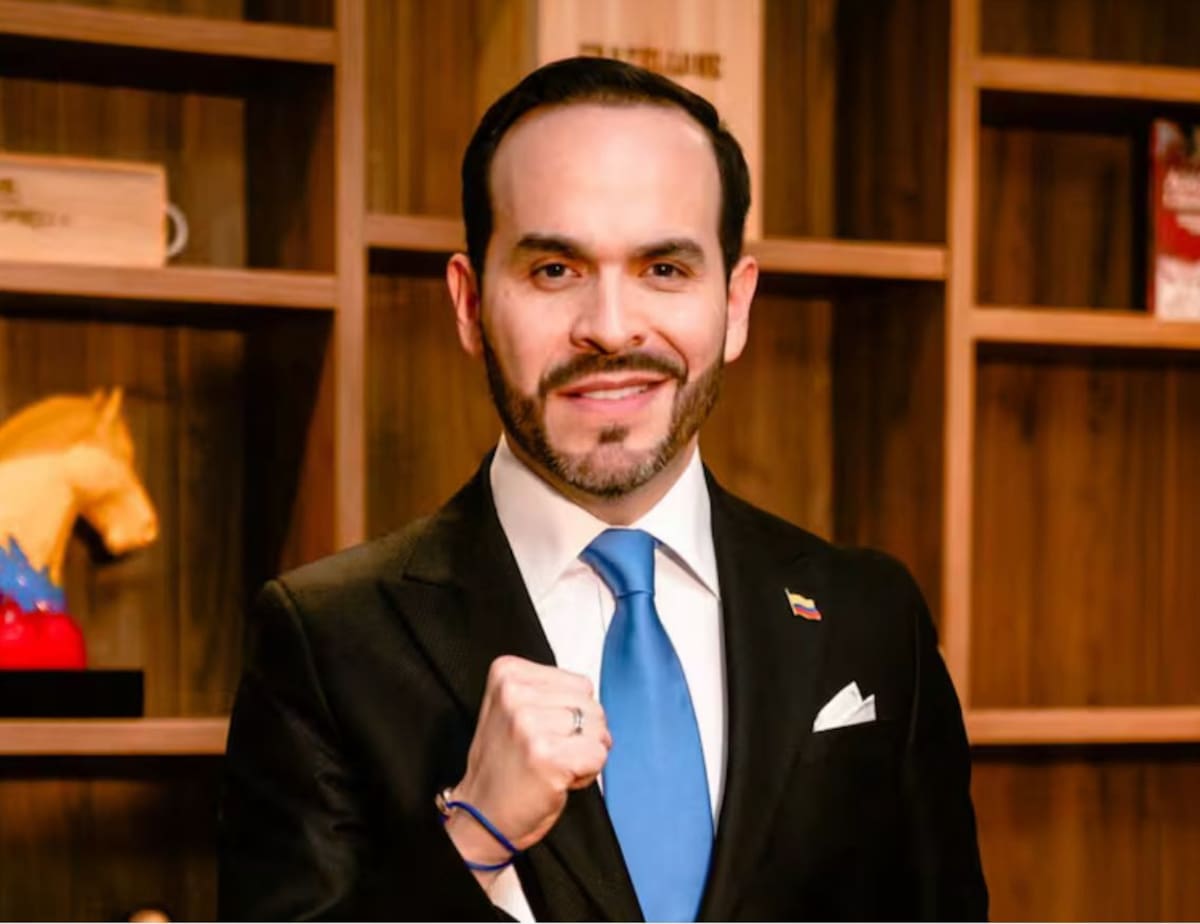
Coral had been actively campaigning and protesting in Miami against De la Espriella, who has received “total and absolute” support from former U.S. President Donald Trump. Coronell noted that Coral had also traveled to Florida to file a lawsuit against De la Espriella for recording him without authorization.
Iván Cepeda expressed “absolute rejection” of the arrest. Cepeda stated that if the detention is based on Coral’s political activity, it constitutes a “grave violation of civil liberties.”
What are the competing claims regarding Coral’s legal status?
The arrest has highlighted a sharp divide in how U.S. and Colombian officials view Coral’s presence in the United States. The conflict centers on the tension between asylum protections and foreign influence.
| Source | Position on Beto Coral |
|---|---|
| Sen. Bernie Moreno (Ohio) | Claims Coral requested asylum but acted as a “foreign agent” to undermine U.S. foreign policy. |
| President Gustavo Petro | Asserts the U.S. granted asylum to protect Coral from narco-traffickers; calls the arrest “persecution against progressivism.” |
President Petro further characterized Coral’s detention center as a “concentration camp” and demanded respect for Coral, noting he is the son of a police officer who fought against Pablo Escobar.
What happens next for Beto Coral?
According to Daniel Coronell, Coral’s son is safe with his mother. Coral now faces two primary legal paths: he can request that a judge review his case or accept immediate deportation to Colombia.

This case underscores a growing trend where U.S. immigration enforcement becomes a flashpoint for foreign political disputes. When activists with asylum status engage in public political protests against candidates backed by U.S. political figures, it creates a legal gray area regarding “foreign agent” activities versus protected political speech.
Frequently Asked Questions
Who is Beto Coral?
Beto Coral is a Colombian influencer and political activist known for his support of President Gustavo Petro.
Where was Beto Coral arrested?
He was detained by HSI agents in Phoenix, Arizona.
Why is the arrest controversial?
It happened during a Colombian presidential election and involves conflicting claims about asylum, political persecution, and foreign agency.
Who is Abelardo de la Espriella?
De la Espriella is a right-wing candidate in the Colombian presidential election and has the public support of Donald Trump.
What do you think about the intersection of immigration law and foreign political activism? Share your thoughts in the comments below or subscribe to our newsletter for more updates on international diplomatic tensions.