
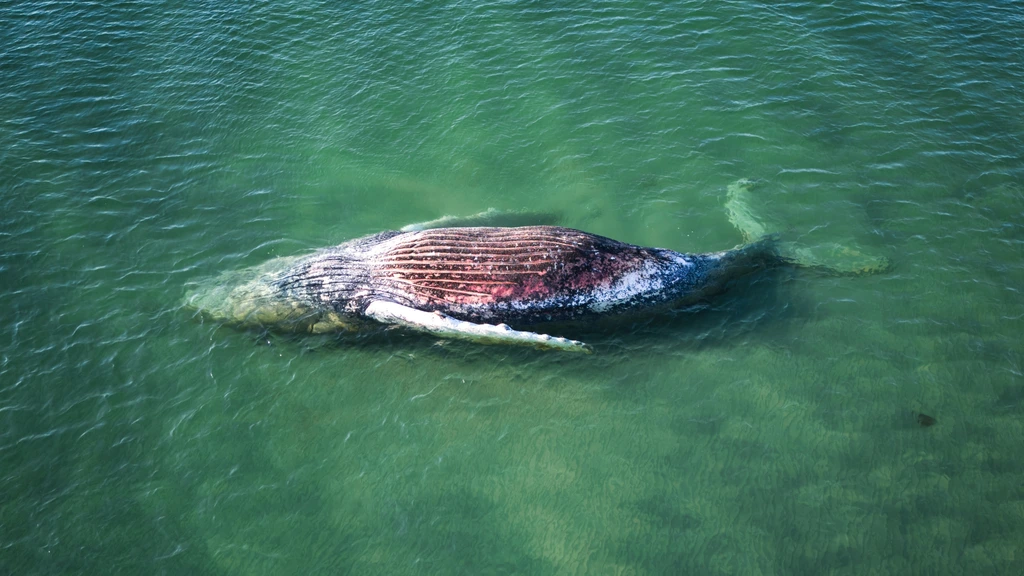
Humpback Whale Timmy to Undergo Autopsy on Danish Beach
The Legacy of Timmy: What Whale Strandings Teach Us
The tragic end of “Timmy,” the humpback whale that captured hearts across Europe, serves as a sobering reminder of the complex relationship between marine life and human intervention. After a high-profile, weeks-long struggle to navigate the Baltic Sea, the whale’s ultimate death off the coast of Denmark has sparked a global conversation about how we handle stranded marine mammals in an era of climate change and increased maritime traffic.

The Science of the Necropsy
When a massive carcass like Timmy’s washes ashore, it presents more than just a logistical headache; It’s a rare opportunity for scientific discovery. Danish authorities have opted to conduct the autopsy directly on the beach at Anholt after attempts to tow the body to a harbor were abandoned due to the risk of the carcass rupturing from built-up decomposition gases.
By examining the stomach contents, tissue samples, and overall physical condition, marine biologists can determine whether the animal suffered from underlying diseases, starvation, or human-related impacts like ship strikes or entanglement. This data is critical for shaping future conservation policies.
Did you know? Whale carcasses are essentially “gas bombs.” As bacteria break down the internal organs, methane and other gases accumulate. Here’s why experts often exercise extreme caution when approaching beached whales to avoid sudden, dangerous ruptures.
Future Trends in Marine Conservation
As ocean temperatures rise and migration patterns shift, we are likely to see more “out-of-place” marine mammals. The case of Timmy highlights several emerging trends in how we manage these encounters:
- Non-Interventionist Policies: There is a growing debate among experts regarding “spectacular” rescue missions. While public sentiment often demands action, some marine biologists argue that letting nature take its course—or providing passive support—is often more humane than stressful, high-risk interventions.
- Advanced Remote Monitoring: Future conservation efforts will likely rely on satellite tagging and autonomous underwater vehicles (AUVs) to track distressed animals earlier, long before they enter shallow, dangerous coastal waters.
- Public Safety Protocols: As seen on the island of Anholt, authorities are becoming more adept at managing “whale tourism” and the public health risks associated with decaying marine life, including cordoning off beaches and managing environmental impact.
Pro Tips for Coastal Communities
Pro Tip: If you spot a stranded marine mammal, do not approach it. Aside from the risk of disease or sudden movement, your presence adds significant stress to an already dying animal. Immediately contact local environmental authorities or specialized marine rescue organizations.
Frequently Asked Questions
Why couldn’t the whale be towed to a harbor?
The primary concern was the build-up of decomposition gases. Attempting to attach tow lines or move the body risked an explosion, which would have been both a safety hazard for rescue teams and an environmental disaster for the surrounding water.
What is the purpose of an autopsy on a whale?
A necropsy (the animal equivalent of an autopsy) helps scientists understand the animal’s health history, identify potential toxins or plastics in its system, and determine if human activity contributed to its death.
Will these incidents become more common?
As marine habitats face pressure from climate change and human activity, scientists expect that unusual sightings of whales in coastal areas may increase, requiring more robust, standardized response protocols for coastal nations.
Join the Conversation
The story of Timmy is a powerful reminder of how much we still have to learn about our oceans. What do you think—should authorities intervene in these rescue attempts, or is it better to leave nature to its own devices? Share your thoughts in the comments below or subscribe to our weekly environmental newsletter for more in-depth coverage on marine life conservation.