
:watermark(https://f.pmo.ee//logos/4133/bb989514d16b88b940b51f02e07642d0.png,-2p,-2p,0,18,none):format(webp)/nginx/o/2026/06/04/17687723t1ha9a9.jpg "Hungary PM Term Limits: Magyar’s Amendment Passes")
Hungary PM Term Limits: Magyar’s Amendment Passes
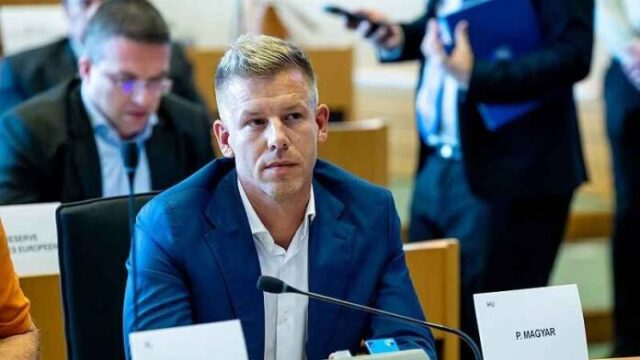
Peter Magyar, Hungary’s newly elected prime minister, secured a key legislative victory by advancing amendments aimed at limiting the premier’s term, a pledge central to his pro-European campaign that helped him defeat Viktor Orbán. The reforms, passed with 135 votes in favor, 50 against, and six abstentions in a 199-member parliament, were framed by Magyar as a safeguard against power concentration. His predecessor, who ruled for 16 years, faced criticism for repeatedly altering Hungary’s political system to consolidate control, according to Magyar’s statements.
Orbán’s Fidesz party opposed the term limits, arguing they could restrict the “people’s will,” a stance reflecting broader tensions over democratic governance in the country. The changes required a two-thirds majority, bypassing the need for a referendum under Hungary’s legal framework. While some nations impose term limits on top leaders—typically presidents—Hungary’s president, a largely ceremonial role, is already restricted to a single re-election after a five-year term.
Why This Matters
The passage of the amendments underscores a shift in Hungary’s political landscape, with Magyar positioning himself as a reformer against Orbán’s long-standing leadership. The move could influence the balance of power between the executive and legislative branches, though its long-term impact remains uncertain. Critics, including Orbán’s allies, argue that term limits may undermine democratic processes by limiting elected officials’ ability to govern without periodic re-election pressures.
What May Happen Next
Analysts suggest the reforms could face legal or political challenges, particularly if opposition parties contest their implementation. However, the two-thirds majority in parliament makes immediate reversal unlikely. The outcome may also affect Hungary’s relationship with the European Union, which has repeatedly raised concerns about democratic backsliding in the region. Future developments could hinge on how the new government navigates these tensions while addressing domestic economic and social priorities.
Did You Know? Hungary’s former prime minister, who ruled for 16 years, was accused of systematically altering the political system to strengthen personal control, a practice criticized by Magyar as a justification for the new term limits.
Expert Insight: Samantha Carter, a political analyst specializing in Central Europe, notes that the reforms reflect a broader struggle over governance models in post-communist states. While term limits can prevent authoritarian consolidation, their effectiveness depends on institutional checks and civil society engagement, which remain uneven in Hungary.
Frequently Asked Questions
What triggered the parliamentary vote on term limits? The amendments were a key campaign promise by Peter Magyar, aimed at curbing power concentration after his predecessor’s 16-year rule, which included repeated changes to Hungary’s political structure.
How did the vote unfold? The reforms passed with 135 votes for, 50 against, and six abstentions in a 199-member parliament, meeting the required two-thirds majority without a referendum.
What role do term limits play in Hungary’s governance? While the president’s term is already limited to one re-election, the new prime minister’s term limits represent a separate legislative effort to address concerns about executive power concentration.
How might these developments reshape Hungary’s political dynamics in the coming years?