
Hyundai Wants ‘More Realistic’ Electric N Cars
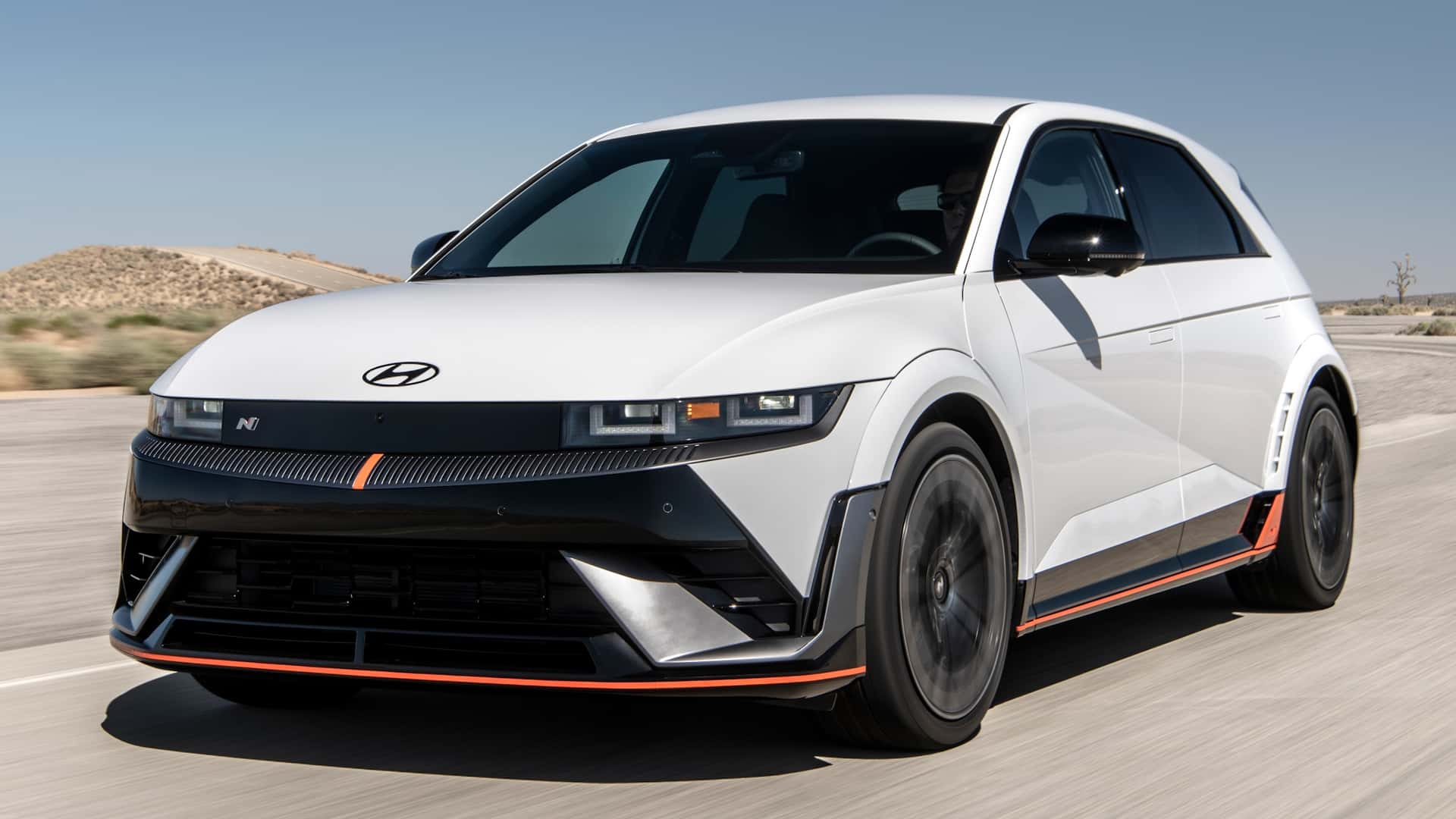
Hyundai is developing advanced iterations of its N e-shift simulated gearbox technology, aiming to incorporate sensory feedback like engine idling, backfiring, and mechanical vibrations into its next-generation electric performance vehicles. According to Manfred Harrer, Hyundai’s head of R&D, the automaker is currently testing these features to increase the realism of the electric driving experience for performance-oriented drivers.
How Hyundai Plans to Enhance EV Engagement
Hyundai intends to move beyond basic software-based gear shifting by introducing tactile and auditory cues that mimic internal combustion engines. In an interview with Autocar, Harrer confirmed that the development team is actively working on “enhancing” the current N e-shift system. While specific technical details remain under wraps, the goal is to create a more immersive, “fun to drive” experience that differentiates Hyundai’s N division from competitors who prioritize purely clinical performance.
What Role Will the New Shift-by-Wire Mechanism Play?
The integration of a new shift-by-wire mechanism may bridge the gap between digital simulation and physical feel. Hyundai has filed patents for a system capable of operating like a traditional automatic or a gated manual transmission. This hardware, when paired with the upcoming software updates, would allow the car to feature a functional clutch and neutral position. By combining these mechanical interfaces with the IMA (Integrated Modular Architecture) platform, Hyundai aims to provide a tactile sensation that matches the visual and auditory feedback of the N e-shift software.
How Does the New IMA Platform Compare to E-GMP?
The transition from the current E-GMP platform to the Integrated Modular Architecture (IMA) represents an evolution in performance design. According to Harrer, IMA is not a complete departure from existing tech but a significant step forward. While E-GMP powers current models like the Ioniq 5 and Ioniq 6, the IMA platform is expected to focus on:
- Thermal Management: Advanced cooling systems to sustain high-performance output.
- Battery Efficiency: New cell technology designed to lower production costs and increase range.
- Scalability: A modular design that allows for faster iteration of performance models.
Did you know? Hyundai’s N e-shift technology is one of the first systems to successfully introduce a “redline” and gear-hunting behavior to an electric motor, which would otherwise have a linear, single-speed power delivery.
Frequently Asked Questions
Will these features be available on all Hyundai EVs?
No. These enhancements are currently targeted specifically at the high-performance “N” line of vehicles, intended for enthusiasts rather than standard consumer models.
Is this technology actually faster than a standard EV setup?
Technically, simulated shifting is often slower than a direct-drive electric motor’s optimal performance. However, Hyundai positions these features as a way to prioritize driver engagement over raw, automated efficiency.
When will these next-gen N models be released?
While an official date hasn’t been set, the current E-GMP platform is roughly five years old. Industry analysts expect the transition to the new IMA-based performance vehicles to begin within the next few years.
What do you think about bringing “fake” engine sensations to electric cars? Is it a welcome bit of fun, or should EVs embrace their own identity? Share your thoughts in the comments below.