
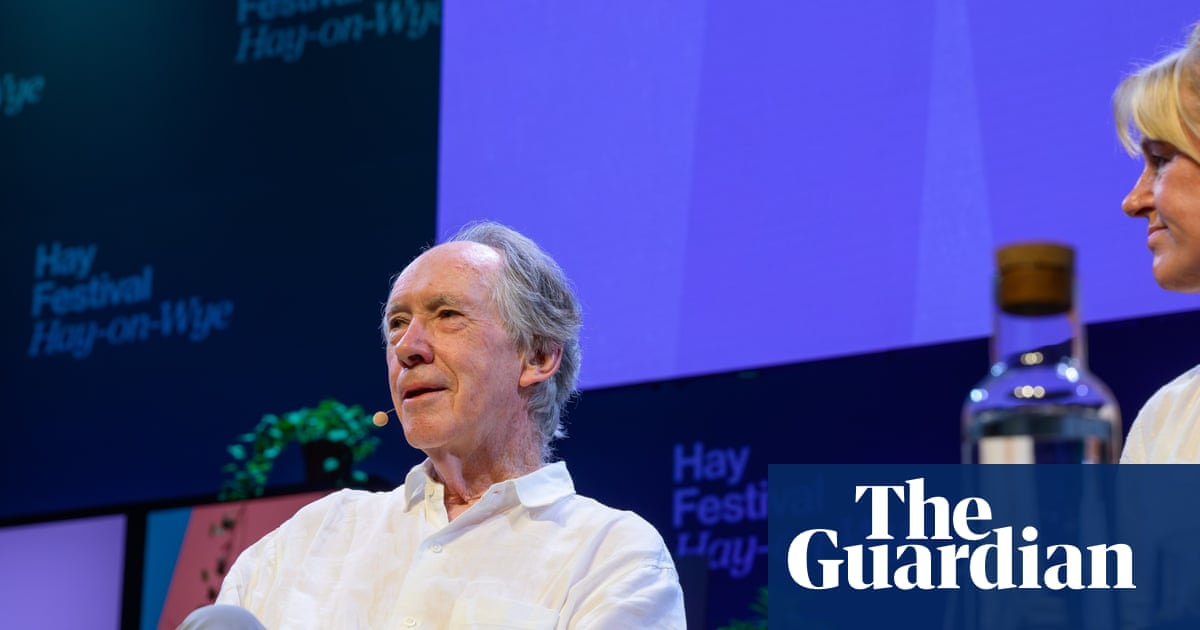
Ian McEwan says pessimism ‘a bigger problem than climate change’ | Hay festival
At the Hay festival this week, acclaimed novelist Ian McEwan offered a provocative challenge to the prevailing mood of the era, suggesting that pessimism may currently pose a greater threat than climate change itself. Speaking on a panel alongside former National Farmers’ Union president Minette Batters and broadcaster Sandi Toksvig, McEwan argued that maintaining optimism is a “moral duty,” even as the UK grapples with extreme weather events.
The Climate of Uncertainty
The discussion took place against a backdrop of record-breaking heat, with London temperatures reaching 34.8C—surpassing a record previously held since 1922. For Minette Batters, these shifts are not merely data points but represent an existential crisis for the agricultural sector. Reflecting on her 26 years in farming, she noted that last year saw yields of hay and silage drop to 50 percent of normal levels.
Batters described the current state of British farming as a “game of Russian roulette,” exacerbated by a lack of clarity regarding national agricultural plans. With only 7 percent of English farmers reporting a full understanding of Defra’s vision, the industry faces deep-seated instability. “Farmers don’t know what the national plan is, and the government doesn’t know what the individual plans are on the farm,” she stated.
Rational Optimism vs. Political Friction
McEwan, whose latest book What We Can Know envisions a future Britain submerged by rising seas, remains a proponent of “rational optimism.” He suggests that progress often occurs in ways we fail to observe, such as the quiet revolution of renewable energy. He posits that individual self-interest—such as the financial incentive of solar panels—can serve as a “nudge” toward broader environmental virtue.
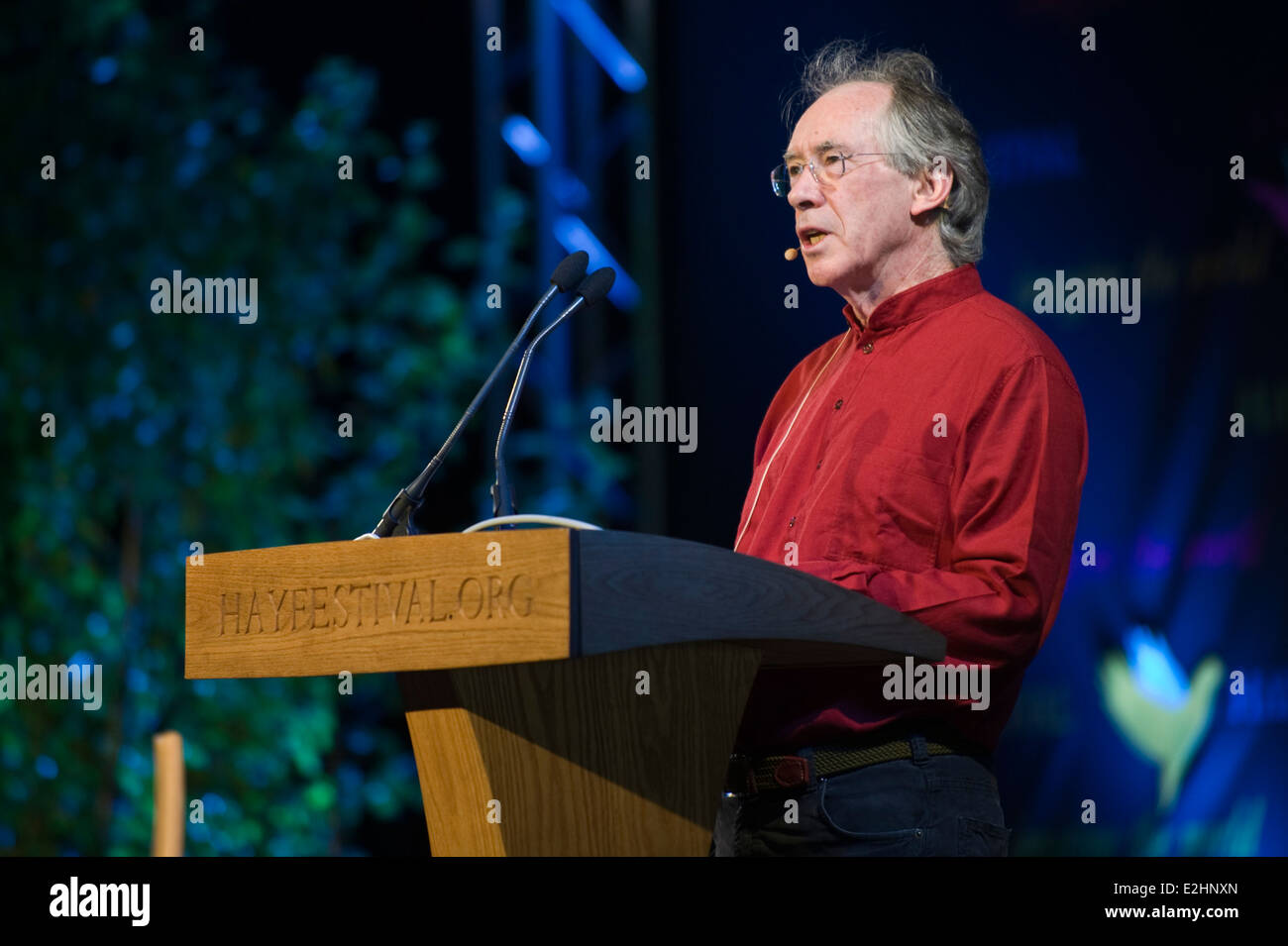
However, the panel highlighted that policy disagreements often hinder local progress. Batters criticized proposed land value taxes, such as those discussed by Andy Burnham, suggesting that focus should instead be placed on practical land use, such as addressing the ten-year waiting lists for allotments. Similarly, McEwan suggested that the nation might find a “huge gain” by abandoning projects like HS2 in favour of investing in local services and protecting historical footpaths from development pressures.
Looking Ahead
As the UK faces increasingly volatile weather, the agricultural sector may continue to experience extreme fluctuations in crop production, potentially forcing farmers to rely on high-stakes, speculative planting strategies. If the lack of alignment between government policy and farm-level planning persists, the industry is likely to remain in a state of high-risk uncertainty.
Conversely, if the trend of renewable energy adoption continues to provide tangible financial benefits to individuals, it may foster a broader, albeit gradual, societal shift toward environmental engagement. Whether this “nudge” approach can effectively mitigate the larger challenges posed by climate change remains a subject of intense debate.
Frequently Asked Questions
Why does Ian McEwan believe pessimism is a major problem?
McEwan argues that pessimism is a significant issue because he constantly hears people express that they do not expect their children to have as good a life as they did, whereas he believes optimism is a rational and moral duty.

What challenges are farmers currently facing according to Minette Batters?
Farmers are facing extreme weather that has severely impacted crop yields, combined with political uncertainty and a lack of clear national planning, which Batters describes as a “game of Russian roulette.”
What was the significance of the year 2020 regarding UK energy?
In 2020, electricity generated from renewable sources in the UK outpaced that generated from gas and coal plants for the first time.
How do you balance the need for long-term environmental optimism with the immediate realities of climate-driven economic instability?