
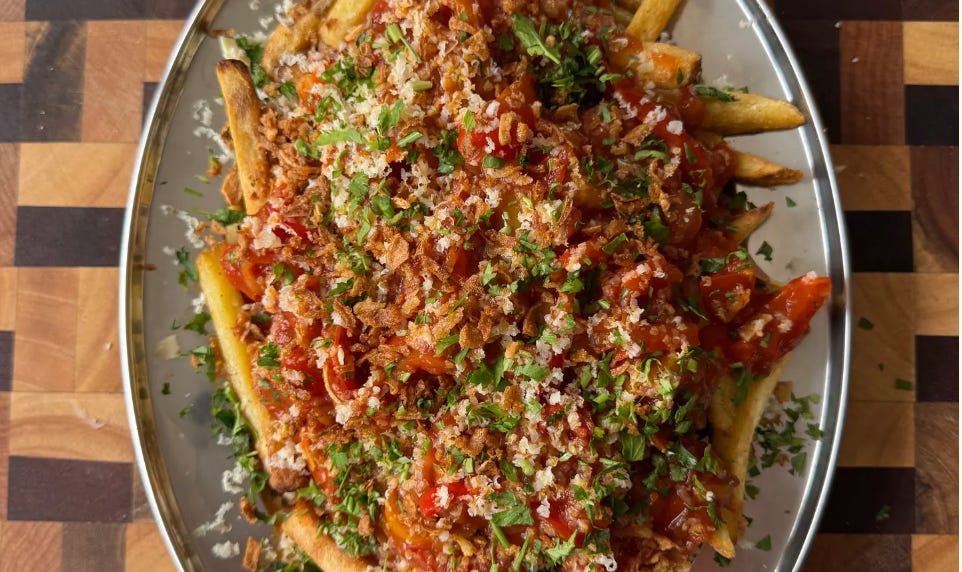
World Cup Fusion: Canadian Poutine and Bosnian Sataraš
The 2026 FIFA World Cup is driving a rise in “sport-fusion” gastronomy, where fans blend national dishes—such as Canadian poutine and Bosnian sataraš—to celebrate international matchups. According to global food tourism trends, major sporting events act as catalysts for cross-cultural culinary experimentation, increasing consumer demand for ethnic fusion ingredients and hybrid comfort foods.
Why are global sporting events driving culinary fusion?
Global tournaments create a temporary, high-intensity intersection of cultures. When countries like Canada and Bosnia & Herzegovina meet on the pitch, the cultural exchange extends to the kitchen. This trend transforms national identity markers—like Canada’s iconic cheese curds or Bosnia’s slow-cooked sataraš—into shared experiences.
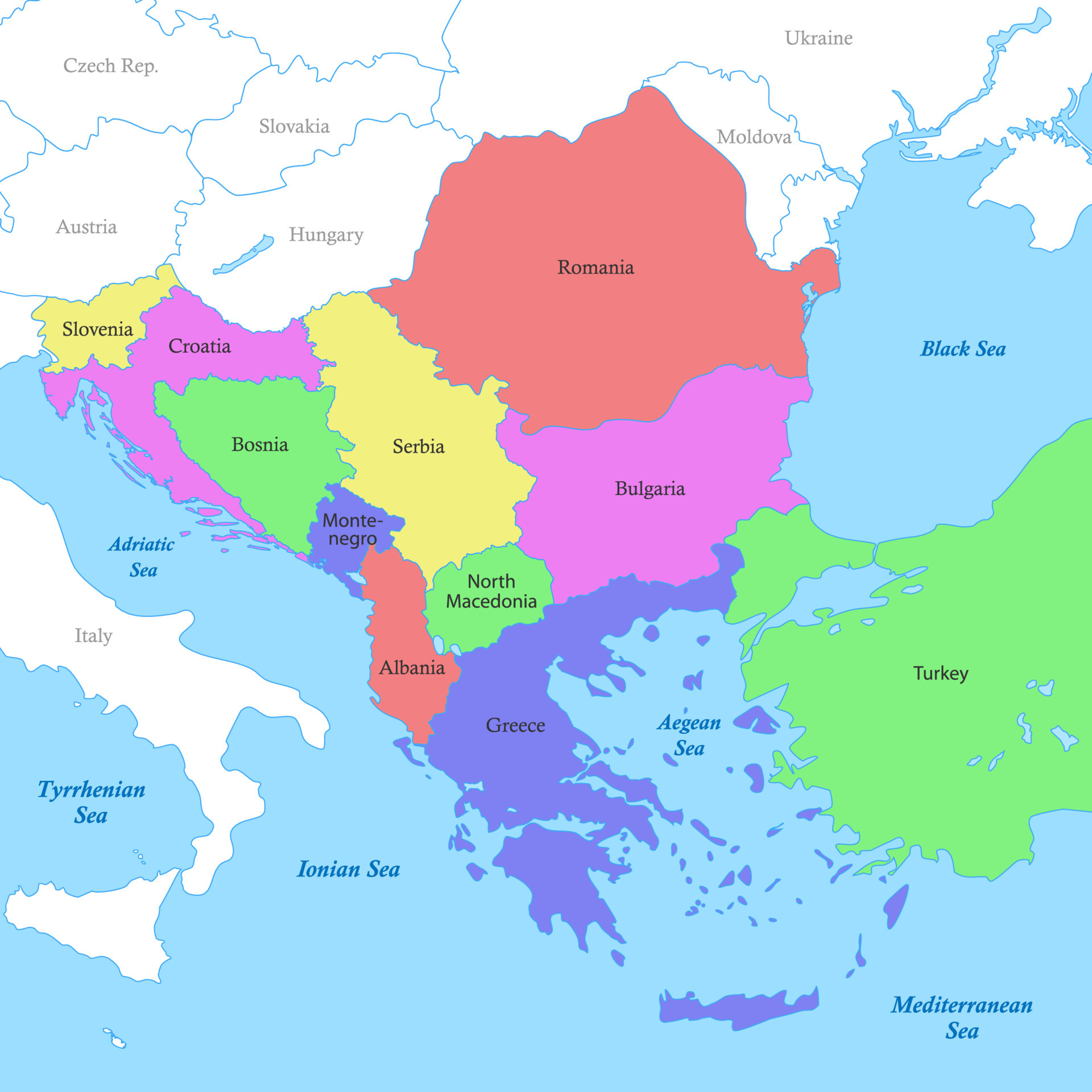
FIFA’s expansion of the 2026 World Cup to 48 teams increases the number of participating nations. This expansion provides more opportunities for “culinary matchmaking.” More teams mean more diverse flavor profiles entering the public consciousness simultaneously.
How does “sport-fusion” impact the food industry?
The industry is seeing a shift toward “hybrid comfort foods.” These are dishes that maintain a familiar base—like fries—but introduce regional toppings to appeal to a globalized palate. This allows consumers to explore new cultures without leaving their comfort zone.
According to market analysis of ethnic food trends, the availability of niche ingredients often spikes during international events. The demand for specific peppers or plant-based alternatives, such as the plant-based cheddar used in modern fusion recipes, reflects a broader move toward inclusive, sustainable eating habits within sports fandom.
The role of social media in food trends
Short-form video content on platforms like TikTok and Instagram accelerates these trends. A single viral “World Cup Plate” can trigger a global search for specific regional ingredients. This creates a feedback loop: fans see a fusion dish, search for the ingredients, and then create their own variations.
What happens to food tourism during the 2026 World Cup?
The 2026 tournament marks a shift in how fans consume local culture. Because Canada, Mexico, and the United States are co-hosting, the event is dispersed across a massive geographic area. This encourages “micro-tourism,” where fans visit specific cities to seek out authentic ethnic enclaves.
Contrast this with the 2022 Qatar World Cup, where the compact geography centered food experiences around a few primary hubs. In 2026, the trend moves toward decentralized discovery. Fans are more likely to seek out Bosnian restaurants in North American cities to understand the flavors of the teams they are supporting.
How does “Gastronomic Diplomacy” work?
Gastronomic diplomacy uses food to foster political and social ties between nations. By blending dishes, fans engage in a grassroots form of this diplomacy. It moves the conversation from competition to collaboration.
The consequence of this trend is a long-term increase in “culinary curiosity.” Long after the final whistle of the 2026 World Cup, the integration of Balkan flavors into North American home cooking is likely to persist. This mirrors how previous global events normalized ingredients like kimchi or matcha in Western markets.
Comparison: 2022 vs. 2026 Food Dynamics
| Feature | Qatar 2022 | North America 2026 |
|---|---|---|
| Geography | Compact/Centralized | Expansive/Decentralized |
| Food Trend | Regional Hub Dining | Hybrid Home-Cooking/Fusion |
| Access | Curated Fan Zones | Local Ethnic Enclaves |
Frequently Asked Questions
What is sataraš?
Sataraš is a traditional Balkan vegetable dish consisting of slowly cooked peppers, onions, and tomatoes, common in Bosnia & Herzegovina.
What is the trend of “sport-fusion”?
It is the practice of combining culinary elements from two competing nations to create a new, hybrid dish during a sporting event.
Why is the 2026 World Cup significant for food?
The expansion to 48 teams and the co-hosting by three diverse nations increases the scale of cultural and culinary exchange.
Which two national dishes would you combine for the 2026 World Cup? Let us know in the comments or subscribe to our newsletter for more insights on global food trends.