
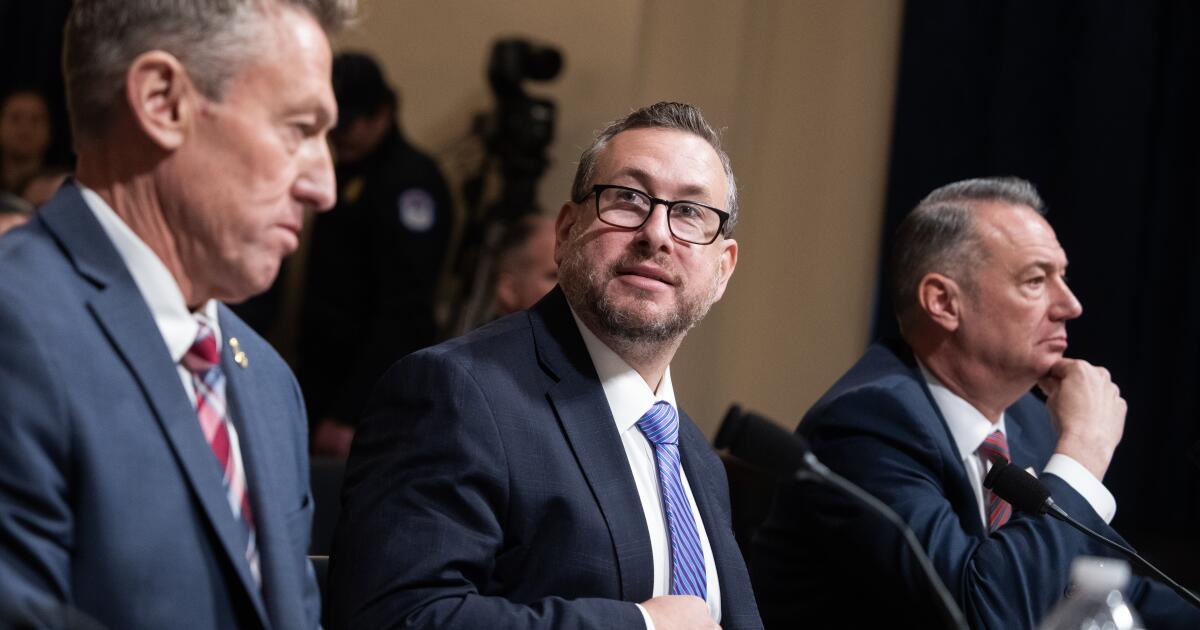
ICE Chief Testifies on Trump Immigration Crackdown, Refuses Apology for Citizens Killed
Washington D.C. – A recent House Homeland Security Committee hearing brought sharp scrutiny to the leadership of the agencies responsible for enforcing immigration policies. The session, held Tuesday, centered on questions regarding the deaths of two U.S. Citizens, Renee Good and Alex Pretti, both 37, who were shot by federal agents and accusations leveled by Homeland Security Secretary Kristi Noem that individuals involved were “domestic terrorists.”
Agency Leaders Face Intense Questioning
Todd Lyons, acting head of Immigration and Customs Enforcement (ICE), declined to offer an apology to the families of Good and Pretti during the hearing. He did, however, state his willingness to speak privately with Good’s family. Lyons maintained he could not comment on the ongoing investigations into the shootings. Joseph Edlow, director of U.S. Citizenship and Immigration Services, and Rodney Scott, commissioner of Customs and Border Protection, also testified, defending the Trump administration’s immigration policies.
Political Context and Oversight
The hearing occurred as negotiations between Democrats and Republicans regarding funding for the Department of Homeland Security stalled, with a Friday deadline looming. Republican Representative Andrew Garbarino of New York, who convened the hearing, emphasized the importance of oversight and maintaining public trust. He requested full reports on the investigations into the shootings once completed, a request agreed to by both Lyons and Scott.
Criticism and Defensiveness
Democrats strongly criticized the administration’s approach to immigration, with Representative Bennie Thompson of Mississippi characterizing issues within the Department of Homeland Security as stemming from leadership. Representative LaMonica McIver of New Jersey suggested Lyons’ attendance was prompted by public outcry, specifically noting the shootings involved white individuals. Lyons and Scott defended their agents and policies, citing an increase in attacks against immigration officers during enforcement actions.
Concerns Over Agent Safety and Tactics
Commissioner Scott stated that immigration officers are facing “coordinated and well-funded” attacks during enforcement actions, describing these as more than “peaceful protest.” He explained that surges of agents into cities like Los Angeles and Minneapolis were due to the need for teams dedicated to both arrests and managing potential protests. Lyons addressed concerns about agents wearing masks, stating he would not require them to show their faces, a position recently upheld by a federal judge striking down a California law banning masked agents. He also stated he would release body camera footage from Minnesota.
Efficiency and Citizenship
Representative Eric Swalwell questioned Lyons about a previous comment suggesting the deportation process should be “like Amazon Prime, but with human beings.” Lyons clarified he meant the agency needed to be more efficient. Concerns were also raised regarding the detention of U.S. Citizens, with Lyons asserting that no American citizen should be arrested solely for their citizenship. However, he acknowledged he was unaware of reports from Representative Lou Correa’s district detailing the detention of U.S. Citizens, some for several days.
Frequently Asked Questions
What was the primary focus of the House Homeland Security Committee hearing?
The hearing primarily focused on questioning the leaders of immigration enforcement agencies regarding the deaths of Renee Good and Alex Pretti, and the administration’s overall immigration policies.
Did Todd Lyons apologize to the families of Renee Good and Alex Pretti?
No, Todd Lyons, acting head of ICE, declined to apologize to the families during the hearing but offered to speak with Good’s family privately.
What did Commissioner Scott say about the challenges faced by immigration officers?
Commissioner Scott stated that immigration officers are facing an unprecedented increase in attacks by people who interfere with law enforcement action, describing these actions as “coordinated and well-funded” and not peaceful protests.
As investigations into these shootings continue and funding debates persist, what impact will these events have on the future of immigration enforcement and public trust in these agencies?