
Impact of Medicaid and Title X Funding on Planned Parenthood Clinics
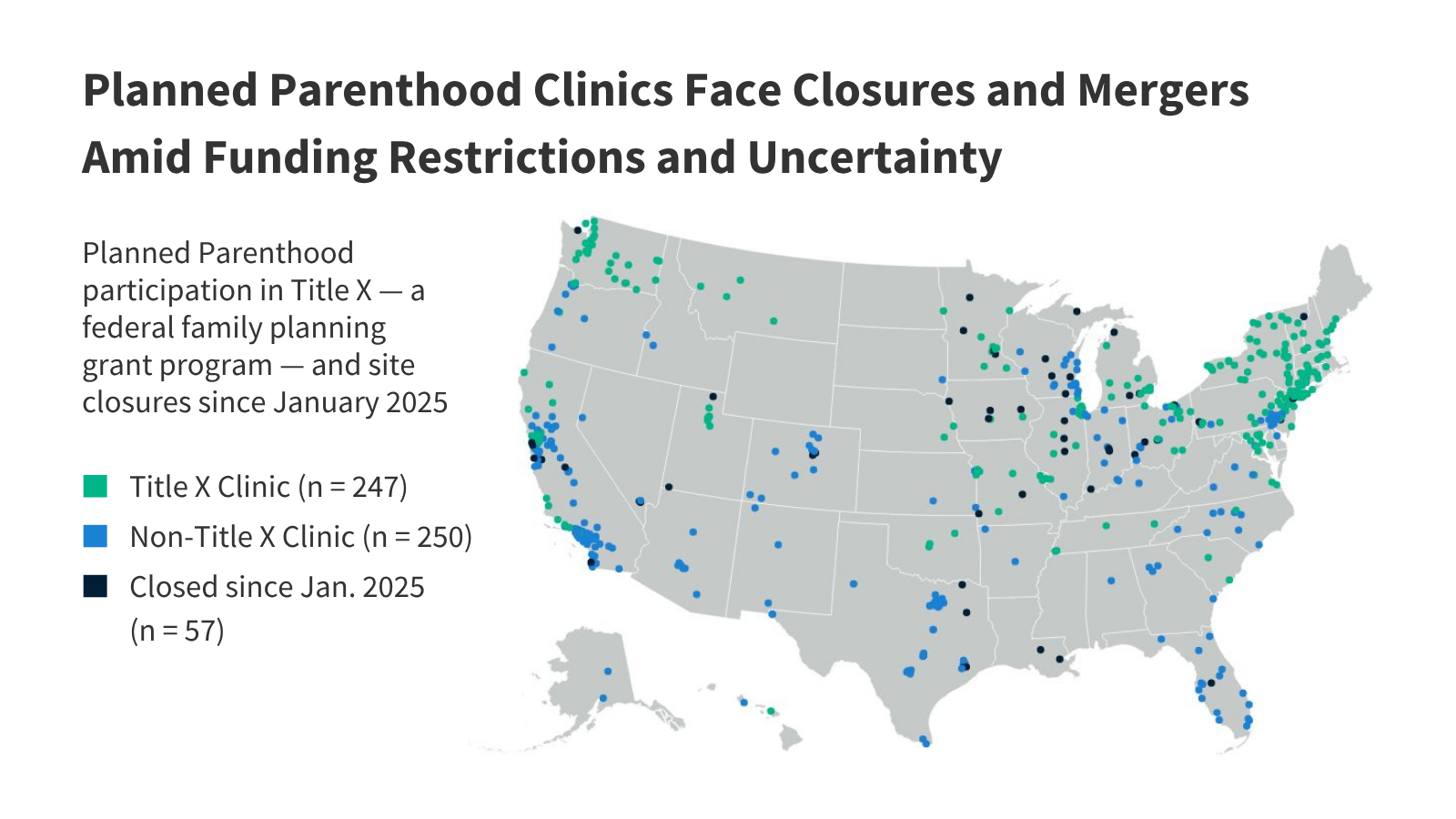
Federal funding for Planned Parenthood has faced significant restrictions in 2025 due to the One Big Beautiful Bill Act and the Supreme Court’s ruling in Medina v. Planned Parenthood South Atlantic. These actions, alongside Title X grant withholdings, have led to the closure or consolidation of 57 clinics across 20 states, impacting reproductive healthcare access for low-income and Medicaid beneficiaries.
What federal actions restricted Planned Parenthood funding in 2025?
A series of policy and judicial shifts in 2025 targeted the organization’s primary public funding sources. In the spring of 2025, the federal Title X family planning program withheld grant payments from 144 Planned Parenthood sites across 20 states.
On June 26, 2025, the Supreme Court ruled in Medina v. Planned Parenthood South Atlantic, granting state Medicaid programs the authority to disqualify Planned Parenthood clinics from their provider networks.
This was followed by the enactment of the One Big Beautiful Bill Act (OBBBA) on July 4, 2025. This law established a one-year ban on federal Medicaid reimbursements for services provided to Medicaid enrollees at Planned Parenthood clinics nationwide.
How are these funding losses affecting patient access?
The financial pressure has led to a measurable reduction in healthcare access points. Since January 2025, 57 Planned Parenthood clinics in 20 states have either closed or consolidated with other sites.
The impact varies by region. In California, 29% of Medicaid beneficiaries using family planning services rely on Planned Parenthood, while some states, like North Dakota and Wyoming, have no Planned Parenthood presence.
For those who use these clinics, the services are extensive. Analysis of 2023 Medicaid claims shows nearly 90% of female beneficiaries ages 15 to 49 at these sites received contraceptive services, and over half received STI services and gynecological care, such as Pap smears or pregnancy tests.
How are states responding to federal funding gaps?
At least eleven states have used executive actions or legislation to provide state-only funds to stabilize reproductive health safety nets. These strategies range from emergency grants to ongoing funding to fill federal gaps.
California has committed more than $230 million in state funds and emergency grants. Other states, including Maine, New Jersey, Oregon, Connecticut, Illinois, Massachusetts, and New Mexico, authorized targeted allocations between $2 million and $8 million.
Additionally, New York, Washington, and Colorado implemented supplemental budget proposals or statutory mechanisms. These are designed to guarantee state-level reimbursement and preserve access to cancer screenings, contraception, and STI services.
Is the Title X program changing its priorities?
Current data shows a decline in Planned Parenthood’s participation in the Title X program. Nationally, 247 clinics in 29 states currently participate, down from 297 clinics in 34 states and DC a year ago, with the largest decreases seen in Texas, Ohio, and California.
The FY27 Notice of Funding Opportunity suggests a shift in priorities. The program may move away from contraceptive access and pregnancy prevention in favor of family formation and fertility-awareness based methods.
This echoes a previous shift during the first Trump Administration, when HHS disqualified clinics that offered abortion referrals or co-located abortion services. This policy originally caused over 400 Planned Parenthood clinics to lose support before the Biden Administration reversed the regulations.
What may happen next for reproductive health funding?
The federal Medicaid funding ban under the OBBBA is scheduled to expire on July 4, 2026. However, there are proposals on Capitol Hill to extend this ban, which could happen if Congress pursues a third budget reconciliation bill.

Even if the federal ban expires, some states may still exclude Planned Parenthood from their Medicaid programs by utilizing the Supreme Court’s ruling in the Medina case.
Furthermore, the president’s budget for 2027 does not include funding for the Title X program for the second consecutive year. While Congress may not approve all budget proposals, this could make Title X funding a central point of future budget deliberations.
Frequently Asked Questions
Which states have provided the most financial support to offset federal losses?
California has provided the most significant support, committing over $230 million in state funds and emergency grants to stabilize its clinic network.
What specific services do Medicaid patients receive at Planned Parenthood?
Based on 2023 claims, nearly 90% receive contraceptive services, while more than 50% receive STI services and gynecological services, including HPV screening and Pap smears.
What is the “One Big Beautiful Bill Act”?
Enacted on July 4, 2025, it is a law that prohibits federal funding for Medicaid reimbursements to Planned Parenthood clinics for services provided to Medicaid enrollees for one year.
How do you think state-funded healthcare alternatives affect the stability of national health safety nets?