
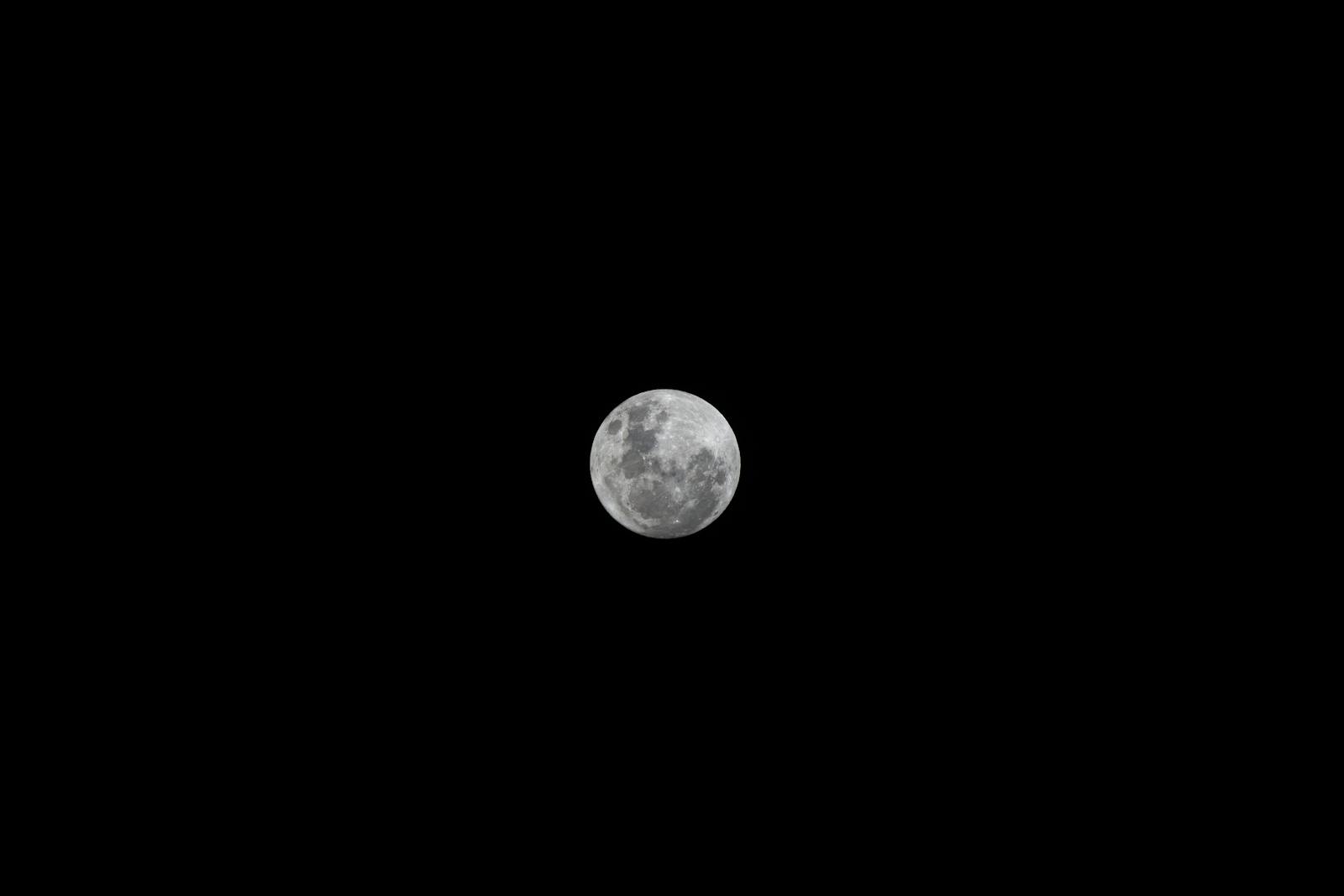
In 1959, the Soviet Luna 3 probe swung around the far side of the Moon and took 29 grainy photographs of a hemisphere humans had never seen, then developed the film onboard and scanned the negatives with a flying-spot beam to radio them back across nearly 480,000 kilometres of vacuum
The future of lunar exploration centers on establishing permanent far-side infrastructure, deploying low-frequency radio telescopes shielded from Earth’s electronic noise, and extracting volatile resources from the South Pole-Aitken basin. This evolution shifts the focus from the early reconnaissance of the Luna 3 mission to sustainable human habitation and deep-space science.
Why is the lunar far side the “quietest” place in the solar system?
The far side of the Moon acts as a physical shield, blocking the deluge of radio interference coming from Earth. For astronomers, this makes it the premier location for low-frequency radio astronomy. On Earth, our own satellites, cell towers, and radio stations drown out the faint signals from the “Dark Ages” of the universe—the period before the first stars formed.

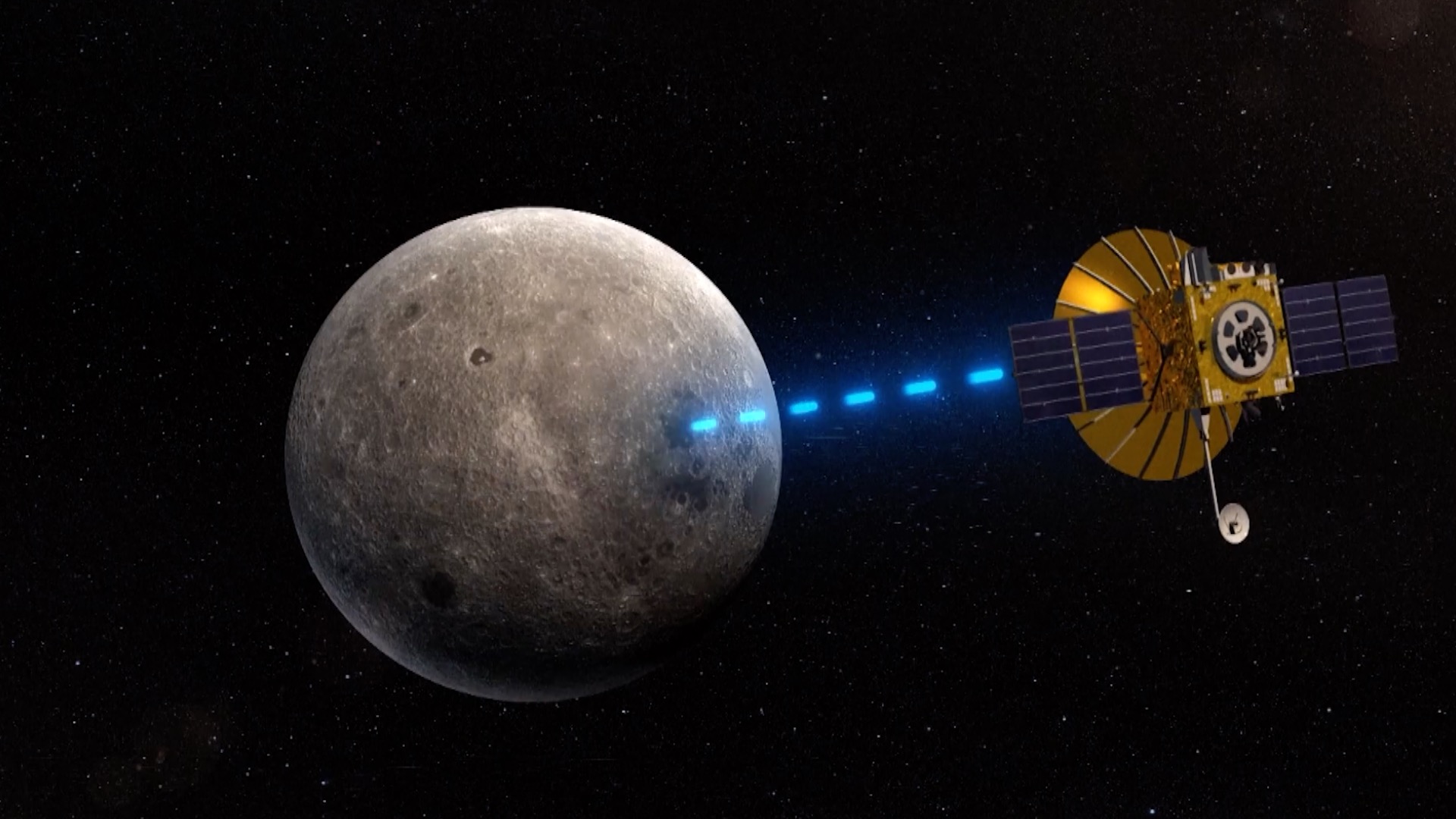
According to data from the Chinese National Space Administration (CNSA), the success of the Chang’e 4 landing proved that relay satellites, like the Queqiao series, can maintain a stable link between the far side and Earth. This infrastructure is the prerequisite for building a massive radio telescope array on the lunar surface.
Such a telescope would allow scientists to observe the early universe without the “noise” of human civilization. It’s a leap from the blurry, analog signals of 1959 to a high-fidelity window into the origin of the cosmos.
How will sample returns like Chang’e 6 redefine lunar geology?
For decades, we’ve known the Moon is asymmetrical. Luna 3 first revealed that the far side lacks the large, dark basaltic plains (maria) common on the near side. NASA’s current Moon composition data suggests the crust is significantly thicker on the far side, which hindered volcanic activity and left the surface heavily cratered.
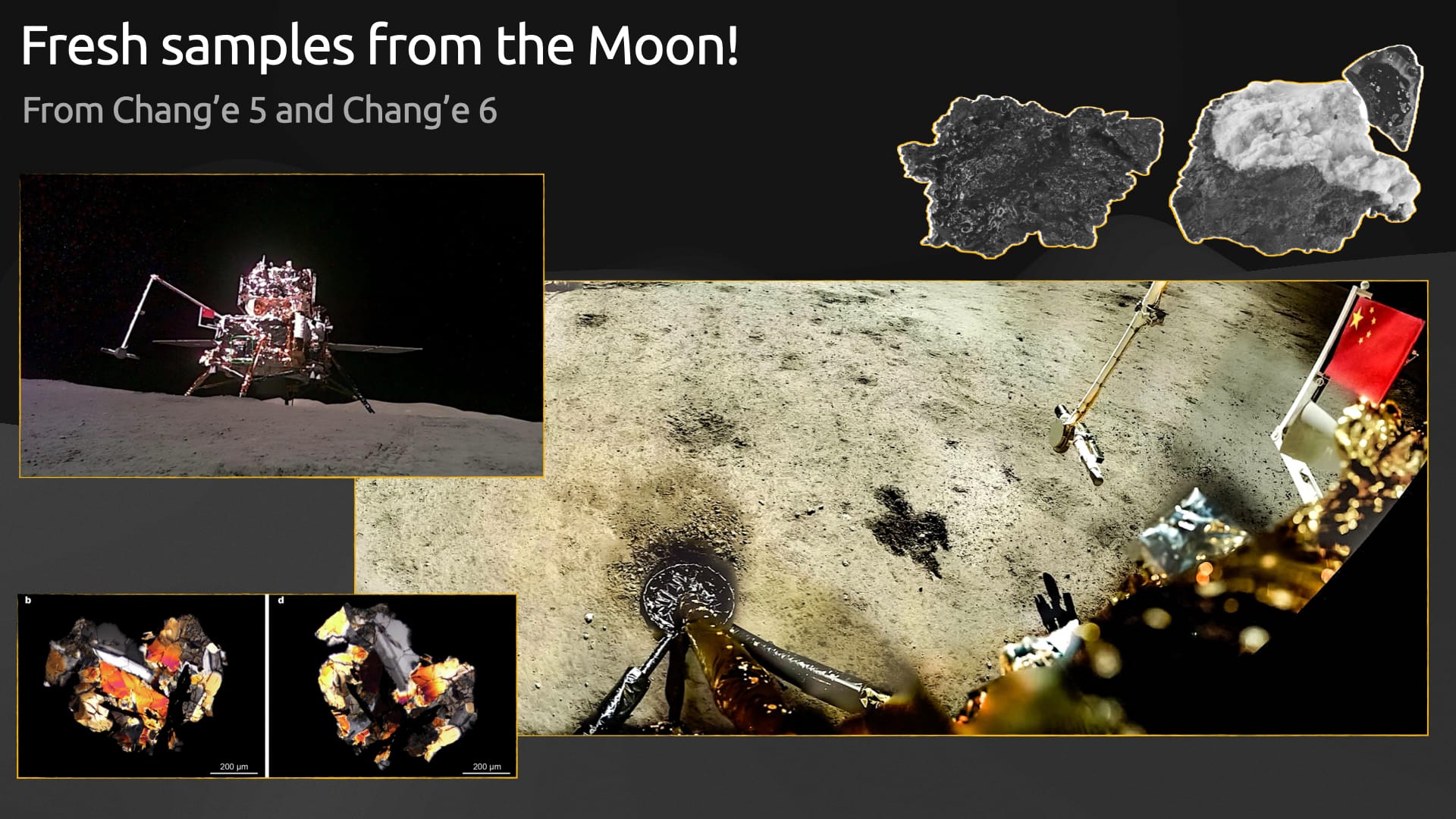
The return of samples from the South Pole-Aitken basin via the Chang’e 6 mission in 2024 provides the first physical evidence from this region. By analyzing these rocks, geologists can determine if the far side’s composition differs fundamentally from the near side, or if the difference is purely structural.
This isn’t just academic. Understanding the crustal thickness helps us locate “lava tubes”—natural underground caverns that could protect future astronauts from lethal solar radiation and extreme temperature swings.
What happens next for autonomous lunar robotics?
Luna 3 was a triumph of “blind” automation. It followed a pre-set sequence: point, shoot, develop, scan, and transmit. If a gear jammed, the mission ended. Future trends are moving toward “cognitive” autonomy, where AI-driven rovers make real-time decisions based on their environment.
We’re seeing a shift toward swarm robotics. Instead of one large, expensive rover, agencies are exploring fleets of smaller, interconnected bots. These swarms can map the South Pole-Aitken basin in parallel, sharing data to identify high-value mineral deposits without waiting for instructions from Earth, which can take seconds to travel each way.
This autonomy is essential for In-Situ Resource Utilization (ISRU). The goal is to stop bringing everything from Earth and start “living off the land” by extracting oxygen and water ice from the lunar regolith.
Can we actually mine the Moon’s hidden hemisphere?
The far side is more than a scientific curiosity; it’s a potential warehouse of resources. The South Pole-Aitken basin is one of the largest and deepest impact craters in the solar system. It’s believed to expose materials from the Moon’s mantle, potentially rich in rare earth elements and volatiles.
While the near side is more accessible, the far side’s unique geology might offer higher concentrations of Helium-3, an isotope that could theoretically fuel future nuclear fusion reactors. According to various lunar geological models, the impact that created the South Pole-Aitken basin may have “dug up” these materials from deep within the interior.
The challenge remains the “communications gap.” Unlike the near side, where a direct radio line to Earth exists, any mining operation on the far side requires a permanent satellite constellation to function. We are moving from the era of “visiting” to the era of “industrializing.”
Comparing the Eras of Lunar Exploration
| Feature | Luna 3 Era (1959) | Modern Era (2020s) | Future Trend |
|---|---|---|---|
| Data Capture | Chemical Film | Digital High-Res | Real-time AI Mapping |
| Communication | Analog Radio | Relay Satellites | Lunar Internet/Mesh Nets |
| Goal | Photography | Sample Return | Permanent Habitation |
Frequently Asked Questions
Why can’t we see the far side of the Moon from Earth?
The Moon is tidally locked to Earth, meaning it rotates on its axis at the same rate it orbits our planet. This keeps one hemisphere permanently facing us.
Is the far side actually “dark”?
No. The “dark side” is a misnomer. The far side receives just as much sunlight as the near side; it’s simply hidden from our view.
What is the South Pole-Aitken basin?
It is a massive impact crater on the far side of the Moon. Because of its size and depth, it is one of the best places to study the Moon’s internal composition.
Who is currently leading far-side exploration?
China’s CNSA has taken a lead in far-side landings and sample returns with the Chang’e program, while NASA continues to provide high-resolution mapping via the Lunar Reconnaissance Orbiter (LRO).
Join our newsletter for deep dives into space exploration, or leave a comment below: Do you think lunar mining is a necessity for human survival?